The main gorilla trekking rules in Rwanda are a minimum age of 15, a maximum of eight visitors per family per day, one hour with the gorillas, a distance of at least seven metres, no flash photography, no trekking while ill, and no touching, eating, or loud noise near the animals. These rules exist mainly to protect the gorillas from human disease and stress. The permit is $1,500 in 2026. Volcanoes National Park lies in northern Rwanda near Musanze along the Virunga Mountains.
The Rules
Gorilla Trekking Rules in Rwanda
The rules that keep mountain gorillas safe - the one-hour limit, the seven-metre distance, age limits, health checks and trek-day etiquette.
The Complete Guide
Everything in this guide7 in-depth articles
Explore every part of Rwanda gorilla trekking in gorilla trekking rules & regulations - written by our local East African guides.
01
Gorilla Trekking Age Limits Explained
The minimum age for gorilla trekking in Rwanda is 15 years, strictly enforced with no exceptions,…
Read guide →
02
Health Requirements for Gorilla Trekking
The key health requirements for gorilla trekking in Rwanda are being free of contagious illness on…
Read guide →
03
How Gorilla Tourism Protects Gorillas
Gorilla tourism protects gorillas by turning them into a source of income that funds ranger patrols,…
Read guide →
04
Photography Rules During Gorilla Trekking
The main photography rules during gorilla trekking in Rwanda are no flash, no selfie sticks or…
Read guide →
05
Why Face Masks Are Used During Gorilla Treks
Face masks are used during gorilla treks in Rwanda to stop human respiratory illnesses from spreading…
Read guide →
06
Why Group Sizes Are Limited to Eight Visitors
Gorilla group sizes are limited to eight visitors per family per day in Rwanda to reduce…
Read guide →
07
Why You Can Only Spend One Hour with Gorillas
You can spend only one hour with the gorillas in Rwanda because the limit protects them…
Read guide →
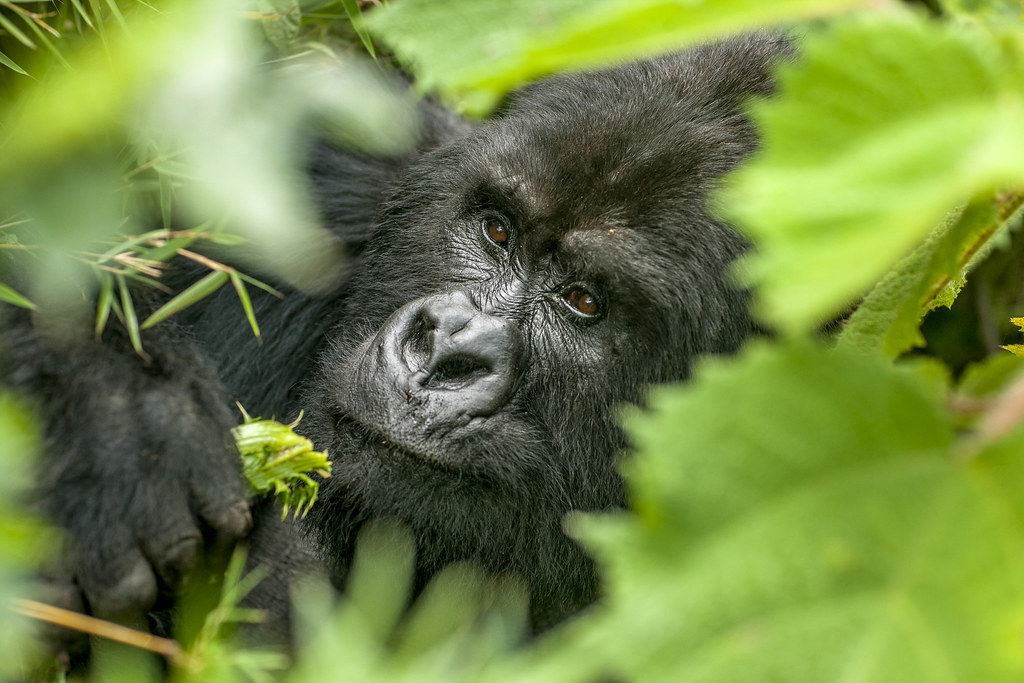
This guide explains each rule and the reason behind it, since nearly all of them trace back to one concern: keeping fewer than about 1,100 mountain gorillas safe from the illnesses and disturbance that human visitors can bring. Following them is the visitor’s side of the bargain that has helped gorilla numbers recover.
The Minimum Age of 15
Only visitors aged 15 or older may trek, a rule agreed across Rwanda, Uganda, and the Democratic Republic of Congo and strictly enforced with no exceptions. The age limit ensures trekkers are physically able to handle the demanding hike and mature enough to follow the behavioural rules closely around the animals.
It also reduces disease risk, since younger children carry common childhood illnesses more often. There is no upper age limit, so the rule restricts only the young, leaving the trek open to fit older visitors who manage the climb at their own pace. The 15-year threshold is the same across all three gorilla-trekking countries, so it is not a Rwandan quirk but a shared regional standard, and operators will ask for proof of age, so travelling with a child who turns 15 close to the trip means carrying documentation.
Maximum Eight Visitors per Family
Each habituated family is visited by no more than eight people per day, and only once daily. A smaller group generates less noise, less respiratory aerosol, and less physical disturbance than a large crowd, which keeps the gorillas calm and lowers the volume of potential disease exposure they face.
The cap is also why permits are limited and sell out, and why the gorillas behave naturally during a visit rather than being overwhelmed. For trekkers, a group of eight means a quieter, closer experience than a larger party would allow. It also keeps the group manageable for the single guide and trackers, who can watch every visitor’s behaviour and step in quickly if anyone drifts too close.
One Hour with the Gorillas
Once your group locates the family, you may stay for a maximum of one hour. The limit gives a meaningful visit while minimising the stress and disruption that prolonged human presence causes. It also spreads access fairly and keeps the gorillas’ daily routine close to undisturbed.
The hour begins when the gorillas are found, not when you start walking, so the trek itself is separate. Guides keep time strictly, and the rule is one of the most important for limiting the human footprint on each family.
Keeping Your Distance from the Gorillas
Rwanda’s official rule is to keep at least seven metres from the gorillas, a buffer that lowers the risk of disease transfer and keeps the animals at ease. In practice, guidance has tightened in recent years, and many guides now ask visitors to keep closer to ten metres, in line with wider regional practice and health advice.
Gorillas do not always follow the rule themselves, and a curious juvenile may approach you. If that happens, the guidance is to stay calm, move back slowly, and follow the guide rather than reaching out. The distance rule is on the visitor to maintain wherever possible. Sudden movement or backing into vegetation can unsettle the group, so the calm, slow response the guides describe in the briefing is the one to keep in mind when a young gorilla closes the gap out of curiosity.
No Flash, No Touching, No Eating
Several behavioural rules apply during the hour. Flash photography is prohibited, since it startles the gorillas, so cameras must be set to no flash. Touching is forbidden even if a gorilla comes near, to prevent disease transfer and defensive reactions.
You also must not eat, drink, or smoke near the animals, because food particles can carry pathogens, so meals are taken well away from the family. Keeping movements slow, voices low, and avoiding direct staring round out the behaviour that keeps the visit calm and safe.
Health Rules and Masks
The most important health rule is that you must not trek while ill. Anyone showing signs of a cold, flu, cough, or other contagious condition is screened out at the morning briefing, because a mild human illness can be severe or fatal for gorillas. Rangers can and do turn visitors away.
Wearing a surgical mask near the gorillas is endorsed best practice and often required, as part of Rwanda’s Gorilla Friendly approach to reducing disease transmission. Bringing and wearing a mask during your hour costs nothing and protects an endangered species, so it is wise to do so whatever the day’s specific guidance. The genetic closeness between people and gorillas is exactly what makes this caution necessary, since the same viruses that cause us a passing cold can move between the two and spread quickly through a family that has no immunity to them.
Why the Rules Matter and the Permit That Funds Them
Every rule connects to the same fact: there are only around 1,000 to 1,100 mountain gorillas left, and each one matters to the survival of the species. The $1,500 permit both limits visitor numbers and funds the protection, monitoring, and community programmes that the rules support.
Gorilla permit
$1,500 per person in 2026, which limits daily visitors and funds gorilla protection and monitoring.
$1,500 per person in 2026, which limits daily visitors and funds gorilla protection and monitoring.
Low-season rate
$1,050 per person from November to May with a qualifying two-night stay in Akagera or Nyungwe National Park.
$1,050 per person from November to May with a qualifying two-night stay in Akagera or Nyungwe National Park.
Health screening
Carried out at the morning briefing at no extra cost, to keep ill visitors from the gorillas.
Carried out at the morning briefing at no extra cost, to keep ill visitors from the gorillas.
Bring a mask
A surgical mask is endorsed best practice and often required, and costs you nothing to carry.
A surgical mask is endorsed best practice and often required, and costs you nothing to carry.
Following the rules is how visitors hold up their end of a system that has helped gorilla numbers recover. The rules protect the gorillas from us, and the permit funds the work that keeps them safe.
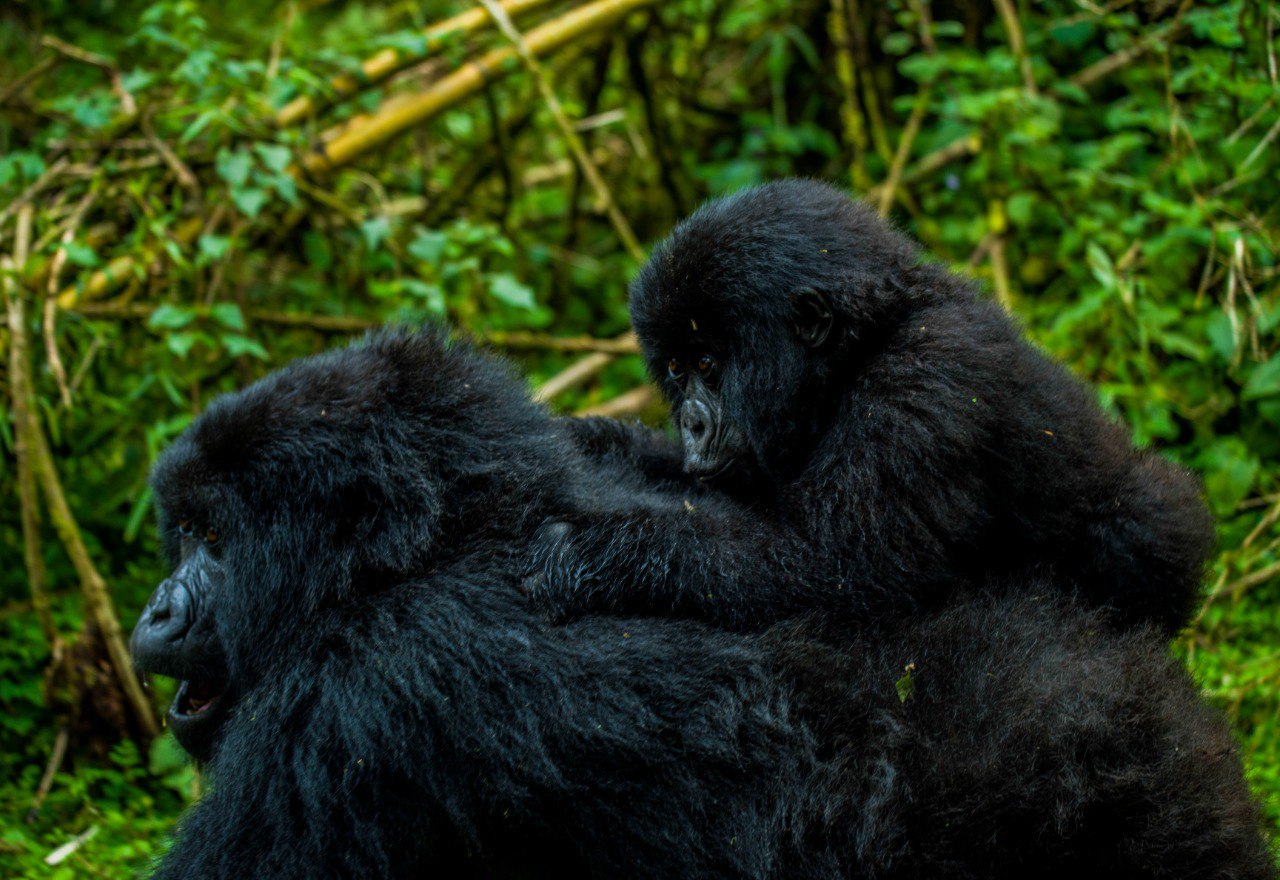
Nearly every gorilla trekking rule exists for one reason: keeping human disease and stress away from fewer than about 1,100 remaining mountain gorillas. The rules protect them from us.
Pack a few surgical masks even if you are unsure whether they will be required on your day. Guidance varies between guides and seasons, but wearing one near the gorillas is always welcome, costs nothing, and protects an endangered species. It is the easiest rule to follow and one of the most important.
What are the main rules for gorilla trekking in Rwanda?
A minimum age of 15, a maximum of eight visitors per family per day, one hour with the gorillas, keeping at least seven metres back, no flash photography, no touching, no eating near the animals, and no trekking while ill. They exist mainly to protect the gorillas from human disease and stress.
How close can you get to the gorillas?
Rwanda’s official minimum distance is seven metres, though guidance has tightened and many guides now ask for closer to ten metres in line with regional practice. If a gorilla approaches you, move back slowly and follow the guide rather than reaching out.
What is the minimum age for gorilla trekking?
Fifteen years, strictly enforced with no exceptions across Rwanda, Uganda, and the Democratic Republic of Congo. There is no upper age limit, so fit older visitors can trek at their own pace.
Can I trek if I have a cold?
No. Visitors with cold, flu, cough, or other contagious symptoms are screened out at the briefing, because human respiratory illness can be fatal to gorillas. Rangers can turn ill visitors away, even at the cost of the permit.
Do I have to wear a mask during a gorilla trek?
Wearing a surgical mask near the gorillas is endorsed best practice and often required as part of Rwanda’s Gorilla Friendly approach. Guidance can vary by guide and season, so bring masks and wear one during your hour to protect the animals.
Watch
See it for yourself
 Speak to a local expert
Karibu
Ready to meet the gorillas?
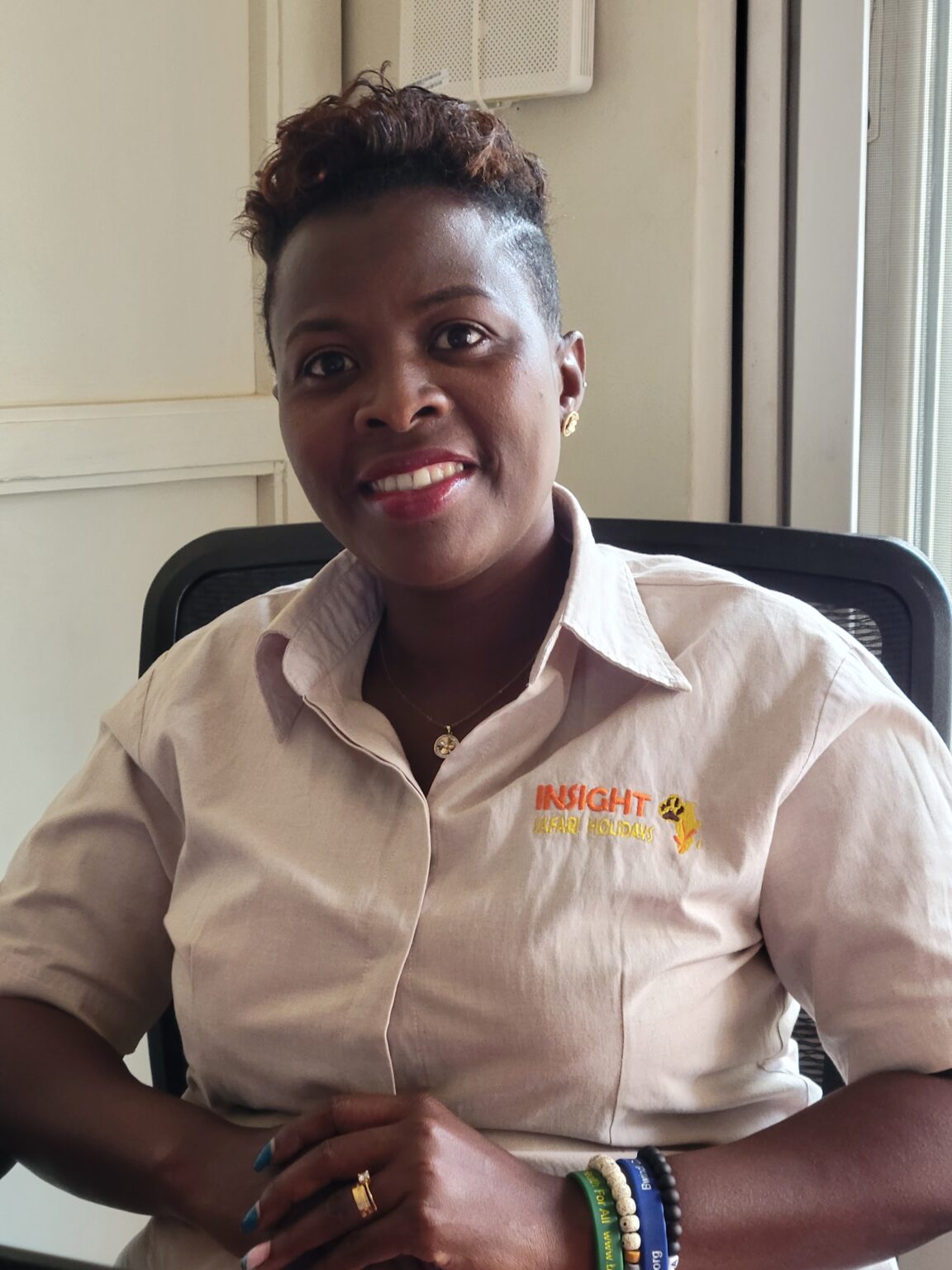
Let Insight Safari Holidays, locally owned since 2000, handle your permits, lodges and logistics. Tailor-made Rwanda gorilla trekking, planned by people who call these forests home.