The key health requirements for gorilla trekking in Rwanda are being free of contagious illness on the day, reasonable fitness for a climb at altitude, recommended travel vaccinations, and malaria precautions. You must not trek with a cold or flu, since human illness can be fatal to gorillas, and a face mask is often required near the animals. The permit is $1,500 in 2026. Volcanoes National Park lies in northern Rwanda near Musanze along the Virunga Mountains.
This guide covers the no-sick rule, vaccinations and malaria, fitness and altitude, masks and hygiene, and the entry rules that change from time to time. Most requirements come down to a single principle: protecting an endangered species that shares much of our biology and has little defence against our diseases. Always confirm current rules with a travel clinic before your trip.
The Most Important Rule: Do Not Trek While Ill
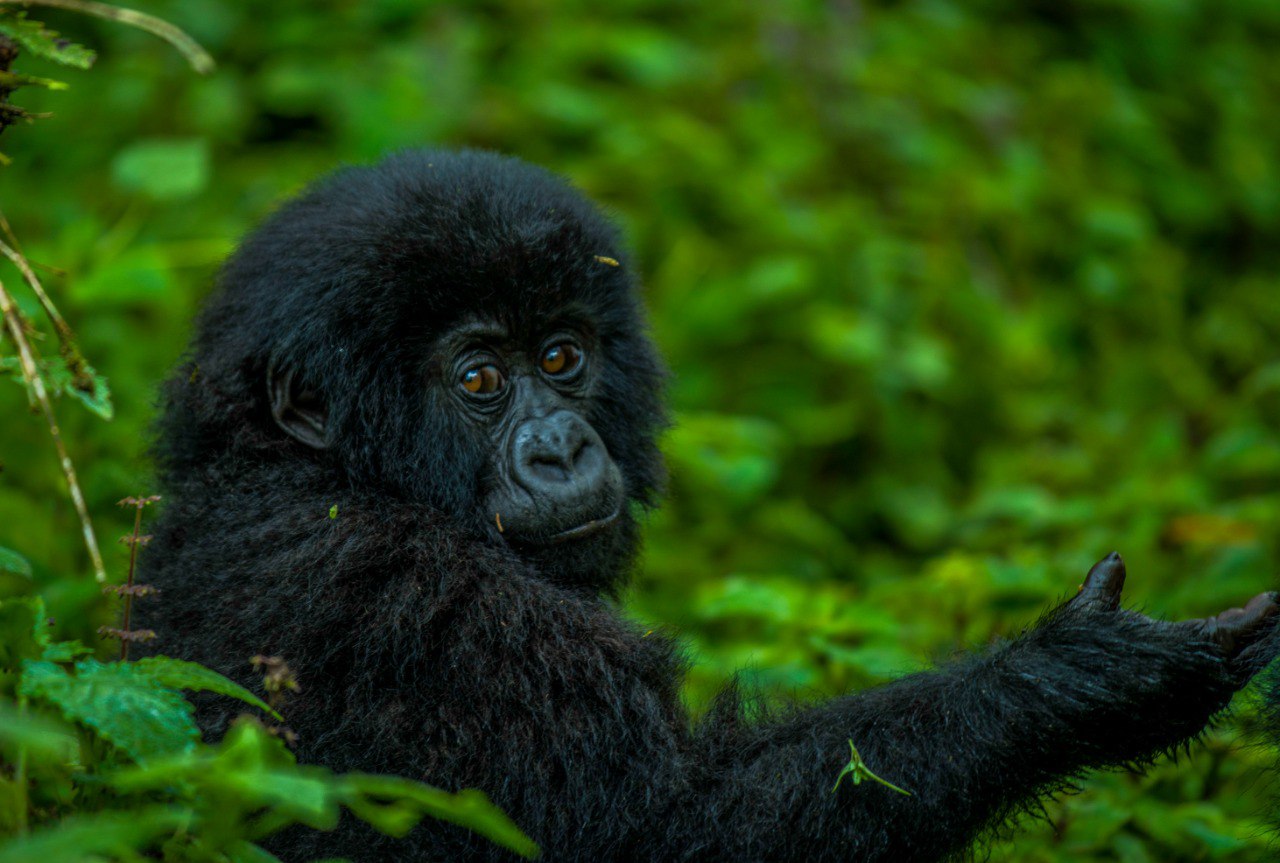
The single most important health requirement is that you must not trek if you are unwell. Anyone showing signs of a cold, flu, cough, fever, or other contagious condition is screened out at the morning briefing, and rangers can turn visitors away. Mountain gorillas share around 98 percent of their DNA with humans and are highly vulnerable to our respiratory illnesses.
What is a minor cold for a person can spread through a family and prove fatal, so this rule protects the gorillas directly. If you fall ill before your trek, the responsible choice is to stay behind, even though it usually means losing the permit. Being honest at the briefing is part of the duty of visiting.
Vaccinations to Consider
Several vaccinations are recommended for a Rwanda trip, and you should consult a travel clinic four to eight weeks before departure. Commonly advised vaccines include hepatitis A, typhoid, and tetanus, alongside keeping routine vaccinations up to date. A travel health professional can tailor the list to your history and itinerary.
Yellow fever is a special case. Rwanda requires a yellow fever certificate from travellers arriving from countries where the disease is endemic or where there is active transmission, but not from those arriving directly from non-endemic countries. Rules vary and can change, and if you are combining Rwanda with Uganda, yellow fever is generally treated as mandatory, so confirm your specific situation before travelling.
Malaria and the Altitude Question
Rwanda is a malaria-endemic country, so antimalarial medication is strongly advised, and you should discuss the right option with your doctor before travelling. Mosquito precautions such as repellent and covering up in the evening add a further layer of protection, though the high altitude of Volcanoes National Park makes the immediate park area lower risk than the lowlands.
That same altitude is its own consideration. The park sits well above 2,000 metres and can exceed 3,000 on the higher treks, which can cause breathlessness or mild altitude symptoms. Spending a day in Kigali or Musanze to acclimatise, going slowly, and staying hydrated all help, and any heart or lung condition is worth discussing with a doctor first. Altitude symptoms such as headache or nausea should be mentioned to your guide promptly, since they can assist with a slower pace or, if needed, a descent.
Masks and Hygiene Near the Gorillas
Wearing a surgical mask close to the gorillas is widely required or strongly encouraged, a practice introduced during the pandemic and kept because it reduces the spread of respiratory droplets generally. Bring several masks and wear one during your hour, since it costs nothing and protects the animals.
Basic hygiene matters too. Use hand sanitiser, cough or sneeze away from the gorillas and into your elbow, and do not leave any waste in the forest. These small habits, combined with the distance rule and the no-sick rule, form the practical defence against passing human illness to the families.
Fitness as a Health Requirement
While there is no formal fitness test, being reasonably fit is a practical health requirement, since the trek can mean hours of steep, muddy walking at altitude. Arriving unprepared raises the risk of strains, exhaustion, and altitude effects, so a few weeks of walking beforehand is sensible preparation.
If you have a medical condition, are pregnant, or are recovering from injury, discuss the trek with your doctor before booking. The combination of exertion and altitude is the main medical consideration, and an honest assessment of your fitness helps the guides place you with a suitable family.
Entry Rules That Can Change
Some requirements shift over time, so rely on current official guidance rather than old information. As of recent guidance, COVID-19 testing is no longer required to board flights to Rwanda, and the passenger locator form has been dropped, though health authorities review these rules periodically.
Because entry and health rules can change, and because yellow fever requirements depend on your route, the safest approach is to confirm the current position with a travel clinic and official sources close to your departure. Treat any guide, including this one, as a starting point rather than the final word on the day you travel.
Permit and Health Screening
Health screening at the briefing is part of the service the permit funds, at $1,500 per person in 2026. There is no separate health fee, but the no-sick rule means a permit can be lost if you fall ill, which is worth bearing in mind when arranging insurance.
$1,500 per person in 2026, including the health screening carried out at the morning briefing.
Visitors with contagious symptoms are turned away, usually forfeiting the permit, so travel insurance is worth having.
Arranged separately through a travel clinic, with yellow fever depending on your route.
Bring surgical masks and hand sanitiser, which cost little and protect the gorillas.
The health requirements are not onerous, but they are taken seriously because the stakes for the gorillas are high. Preparing properly protects both your trip and the animals you have come to see.
Can I go gorilla trekking if I have a cold?
No. Visitors with cold, flu, cough, fever, or other contagious symptoms are screened out at the briefing, because human respiratory illness can be fatal to gorillas. If you are unwell, the responsible choice is to stay behind, even at the cost of the permit.
Do I need a yellow fever vaccination for Rwanda?
Rwanda requires a yellow fever certificate from travellers arriving from endemic countries or those with active transmission, but not from those arriving directly from non-endemic countries. Rules can change, and combining with Uganda usually makes it mandatory, so confirm your specific case before travelling.

Is malaria a risk on a gorilla trek?
Rwanda is malaria-endemic, so antimalarial medication is strongly advised, along with repellent and covering up in the evening. The high altitude of the park makes the immediate area lower risk than the lowlands, but precautions are still sensible.
Do I have to wear a mask near the gorillas?
Wearing a surgical mask close to the gorillas is widely required or strongly encouraged to reduce the spread of respiratory droplets. Bring several and wear one during your hour, as it costs nothing and protects the animals.
Is a COVID test required to enter Rwanda?
As of recent guidance, COVID-19 testing is no longer required to board flights to Rwanda, and the passenger locator form has been dropped. These rules are reviewed periodically, so confirm the current position with official sources before you travel.