Nyungwe Forest National Park in southwestern Rwanda offers more than ten things to do, led by chimpanzee trekking and the canopy walkway, with colobus monkey tracking, the Isumo waterfall trail, the Kamiranzovu marsh, the climb up Mount Bigugu, birding, and night walks. Activities are booked through the park’s management with the Rwanda Development Board, and 2026 prices run from about $40 for most walks to $150 for a chimpanzee permit. Nyungwe is one of Africa’s largest protected montane rainforests, sitting on the Albertine Rift near the Burundi border and home to 13 primate species and over 300 birds.
The park lies about 225 kilometres and a five to six hour drive from Kigali, or a 40 minute flight to Kamembe Airport near Rusizi. Most visitors stay two to three nights and combine a chimp trek or canopy walk with one or two of the forest hikes. The climate is cool and wet through much of the year, so rain gear and sturdy boots matter regardless of season. Each activity is covered below with its 2026 cost, walking distance, and the conditions to expect.
Chimpanzee Trekking in Nyungwe Forest National Park
Chimpanzee trekking is the headline activity in Nyungwe, which holds a population of more than 500 chimpanzees across two habituated communities. A chimpanzee permit costs about $150 per person for international visitors in 2026, $75 for foreign residents, and $25 for Rwandan and East African Community citizens, booked through the park or a licensed operator. The fee covers guides, trackers, and the hour you are allowed with the chimps once they are found.
Treks start early, usually around 5:00 to 6:00 in the morning, because chimps move fast and feed at first light. Two areas are used: the main forest near Uwinka and the separate Cyamudongo block, a small isolated patch to the southwest that often gives more reliable sightings of its smaller community. The walk can be short or can run several hours over steep, slippery ground, since the animals are not tracked to a fixed point the way gorillas are. Sightings are likely but never guaranteed, and the chimps are often high in the canopy and on the move.
The minimum age is 15. A reasonable level of fitness helps because of the terrain and the pace, and a porter can be hired at the trailhead. A longer chimpanzee habituation experience, capped at four visitors, is sometimes offered for travellers who want more time with the researchers following a community.
Walking the Nyungwe Canopy Walkway
The Nyungwe canopy walkway is the most visited single attraction in the park and the first of its kind in East Africa. The suspended walkway hangs roughly 60 to 70 metres above the forest floor and runs about 160 metres across a forested valley along the Igishigishigi trail. A canopy walk ticket costs about $40 per person for international visitors in 2026, around $20 for residents, with the walk done only on a guided tour.
Tours leave from the Uwinka visitor centre on a set schedule, commonly at 8:00, 10:00, 1:00, and 3:00, and the full outing including the approach trail takes one to two hours. From the bridge you look out over the canopy and can sometimes spot colobus monkeys, L’Hoest’s monkeys, and forest birds in the treetops. The minimum age is 6, and a child must be with an adult. The walkway sways underfoot, so it suits visitors who are comfortable with heights, though the structure is solid and railed.
Colobus Monkey Tracking near Gisakura
Colobus monkey tracking is one of the easier primate activities in Nyungwe and a strong alternative for travellers who find the chimp trek too demanding. It starts from the Gisakura tourism centre on the western edge of the park, next to the Gisakura tea estate, and follows the troops of Rwenzori, or Angola, black and white colobus through secondary forest. These monkeys live in unusually large groups, sometimes several hundred animals together, which makes them one of the more reliable sightings in the forest.
A primate tracking permit costs about $40 per person for international visitors in 2026. The walk is moderate, on hilly and sometimes slippery ground, and usually lasts two to three hours including time with the troop. Because the colobus favour the forest edge near the tea fields, the walking distance is often shorter than a deep chimp search, which makes this a good half day option that can be combined with a tea plantation visit.
Tracking L’Hoest’s, Mangabey, and Blue Monkeys
Beyond chimps and colobus, Nyungwe protects 13 primate species in total, several of which can be tracked or seen along the trails. The grey cheeked mangabey, the L’Hoest’s monkey, the blue monkey, and the rare owl faced monkey all occur here, and habituated groups of mangabey and blue monkey are followed on guided primate walks priced at about $40 per person for international visitors in 2026.
This density of primates in one forest is one of the reasons researchers and birders rate Nyungwe so highly. The walks vary in length and difficulty depending on which group is being tracked and where it has moved. A guide is essential, both to locate the animals and to read their movement through the dense canopy. Primate tracking here rewards patience more than fitness, and a single morning can turn up several species along a trail.
Hiking the Isumo Waterfall Trail
The Isumo waterfall trail is the most popular long hike in Nyungwe and ends at the park’s largest waterfall, where the river drops through ferns and rock into a misted gorge. The route runs about 10.6 kilometres and takes four to five hours round trip, starting through the open tea fields near Gisakura before dropping into the forest. A hiking permit costs about $40 per person for international visitors in 2026.
The walk gives a mix of scenery that the canopy and primate activities do not, with views toward Lake Kivu and the Democratic Republic of Congo from the tea estate, then dense forest and the sound of the falls below. Colobus monkeys and forest birds are often seen on the way. The descent to the waterfall is steep, so the return climb is the hardest part, and the trail can be muddy after rain. It is a full half day to most of a day, so an early start is sensible.

The Kamiranzovu Marsh and Waterfall Trail
The Kamiranzovu trail circles the park’s largest wetland, a high altitude marsh ringed by forested hills that looks like a shallow caldera. The loop runs about six kilometres and takes around three to three and a half hours from the Uwinka area, with a hiking permit at about $40 per person for international visitors in 2026. The trail also passes a waterfall and a stretch of orchids, begonias, and swamp vegetation.
Kamiranzovu is the best trail in the park for birders and for anyone interested in plants, since the marsh supports species found nowhere else nearby, including specialist swamp birds and a range of orchids. The walking is gentle to moderate and the setting is quiet, away from the busier canopy walk crowds. Mist and rain are common here, which is part of what keeps the wetland so rich, so waterproofs are worth carrying even on a clear morning.
Climbing Mount Bigugu
Mount Bigugu is the highest point in Nyungwe, and the trail to its summit is the most demanding day hike in the park. The route covers roughly 6.6 kilometres one way and takes about six hours return, climbing through several forest zones to a peak that, on a clear day, looks out over Lake Kivu, the islands, and the mountains of the Democratic Republic of Congo. A hiking permit costs about $40 per person for international visitors in 2026.
The climb passes monkeys at lower elevations and high altitude plants near the top, including rare flowering species during the drier months. This is a fitness focused hike rather than a wildlife one, and the altitude and the length make it a serious outing. Cloud often covers the summit by midday, so an early departure gives the best chance of the long views that make the effort worthwhile.
Birding in Nyungwe Forest
Nyungwe records over 300 bird species, including close to 30 Albertine Rift endemics, which puts it among the best birding sites in the region. A birding permit costs about $50 per person for international visitors in 2026, and a specialist guide makes a large difference in a forest where many species are heard more easily than seen. Target birds include the great blue turaco, the handsome francolin, Rwenzori turaco, and a range of sunbirds and warblers.
The Kamiranzovu marsh, the Uwinka area, and the forest edges near the tea estates are the most productive zones. Birding overlaps with the canopy walk and the primate trails, so keen birders often combine activities across a couple of days. Early morning is the most active period, and the cool, damp climate means the birding is good year round, though heavy rain can quieten the forest. Patience and a good guide matter more than long walking here.
Night Walks in the Rainforest
Night walks open a different side of Nyungwe, since most of the park’s 85 mammal species are small or nocturnal and hard to see by day. Guided night walks run from around 5:30 in the evening to about 9:00, priced at roughly $40 per person for international visitors in 2026, with torches provided. The walk stays on accessible trails near the visitor centres rather than venturing deep into the forest.
Sightings can include bushbabies, tree hyrax, chameleons, frogs, and the occasional civet or genet, along with the sounds of the forest after dark. This is a low effort, short activity rather than a strenuous trek, which makes it a good evening addition for travellers staying near Uwinka or Gisakura. As with all forest activities here, conditions depend on weather, and a dry, still night gives the best results.
Hiking the Congo Nile Divide Trail
The Congo Nile Divide Trail is the longest route in Nyungwe, following the ridge that separates the Congo and Nile watersheds along the spine of the forest. It is built for multi day hiking, with several days of walking and overnight stops at shelters or camps, and it suits experienced, self sufficient walkers rather than casual day visitors. A hiking permit and guide are required, with day rates around $40 per person for international visitors in 2026 plus camping fees.
The trail strings together forest, ridgelines, and long views across the wider landscape, and it can be walked in shorter sections for those without several days to spare. Because it is remote and physically hard, it sees few visitors, which is part of its appeal. Anyone planning the full route should arrange logistics, guiding, and camping in advance through the park. Shorter day hikes on the many marked trails around Uwinka and Gisakura cover similar terrain for less commitment.
Tea Plantation Visits at Gisakura
The forest is ringed by tea estates that act as a buffer zone, and the Gisakura tea estate on the western edge covers close to 1,600 hectares of bright green plantation against the dark forest. A tea visit is one of the lower cost things to do in the area and is often added to a colobus tracking morning or the Isumo trail, both of which begin near the estate.
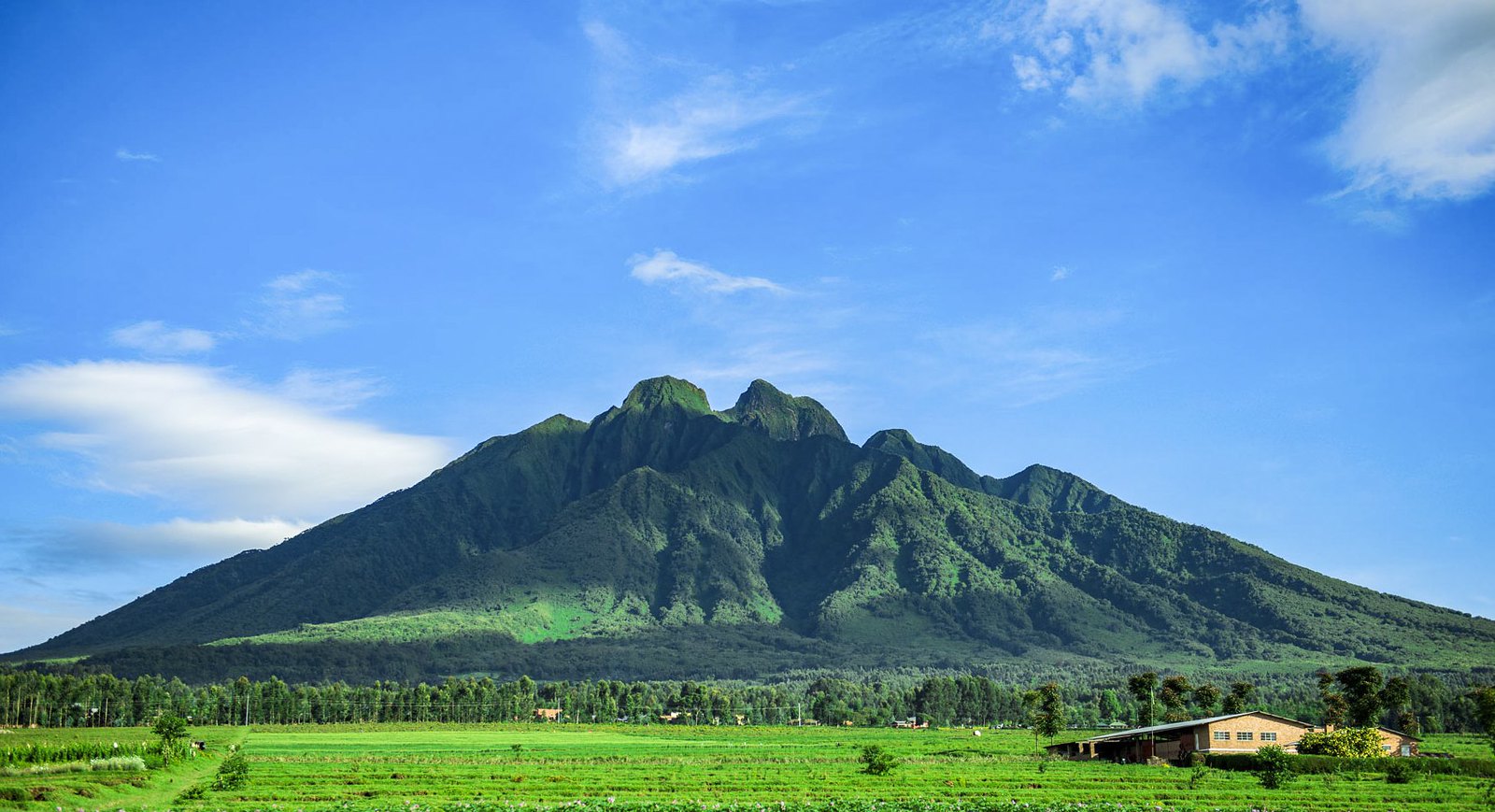
Visitors can walk among the tea, watch the picking, and at some estates follow the leaf from field to factory and into the cup. The rolling fields also give the clearest views toward Lake Kivu and the Congo border on a bright day. It is a gentle, cultural counterpoint to the forest treks and a useful rest day activity. The coffee shops at Gisakura, Gisovu, and Uwinka serve Rwandan coffee and sell local crafts for visitors between walks.
Cost of Activities in Nyungwe Forest National Park in 2026
Activity prices in Nyungwe are set per person by nationality, and the figures below are 2026 international visitor rates. The park entry fee gives full day access to the network of nature trails, while the chimp trek, canopy walk, primate tracking, birding, and special walks are priced on top. Residents and East African citizens pay substantially less. None of these fees include transport, accommodation, meals, or porters.
The grid below compares the main forest trails by distance, walking time, difficulty, and what each is known for, so you can match a hike to your fitness and time. Use the buttons to highlight one trail at a time.
How to Reach Nyungwe and When to Go
Nyungwe sits in the far southwest of Rwanda, bordering Burundi’s Kibira National Park and within reach of Lake Kivu and the Congo frontier. The drive from Kigali covers about 225 kilometres and takes five to six hours, often combined with a stop in Huye or a stay on Lake Kivu. A faster option is the 40 minute flight to Kamembe Airport near Rusizi, then a short transfer. The park has three main gateways at Uwinka, Gisakura, and Kitabi, with lodges, guesthouses, and campsites at each.
The forest is cool and damp year round, with daytime temperatures around 20 degrees Celsius and nights near 10, and rain possible in any month. The drier stretches of June through September and December through February give firmer trails and are the busiest, while the wetter months bring greener forest, fewer visitors, and chimps that often stay closer to the trails. Chimp permits should be booked ahead for the dry season and weekends, since daily numbers are capped. Whichever month you choose, pack for rain and pick the trails that suit your fitness, since the forest rewards a slower, longer stay rather than a single rushed day.
How much does chimpanzee trekking cost in Nyungwe in 2026?
A chimpanzee permit costs about $150 per person for international visitors in 2026, $75 for foreign residents, and $25 for Rwandan and East African Community citizens. The figure has varied between operators, so confirm the current rate with the park or a licensed operator when you book. The fee covers guides, trackers, and one hour with the chimps.
Is the canopy walk safe and suitable for children?
The walkway is a solid, railed structure suspended about 60 to 70 metres above the forest, done only on a guided tour. It sways underfoot, so it suits visitors comfortable with heights. The minimum age is 6, and children must be accompanied by an adult.
Which is easier, chimp trekking or colobus tracking?
Colobus monkey tracking near Gisakura is generally easier and shorter than chimp trekking, since the troops stay near the forest edge and are reliably found. Chimp treks start very early and can run several hours over steep ground, with sightings likely but not guaranteed.
Do I need a guide for the forest trails?
The canopy walk and primate tracking require a guide. For nature walks within the park entry fee, small groups under eight people can sometimes walk without one, but a guide adds safety, wildlife knowledge, and help on slippery ground. Guides and porters can be hired at the visitor centres.
How many days should I spend in Nyungwe?
Two to three nights lets you combine a chimp trek or canopy walk with a couple of forest hikes such as Isumo, Kamiranzovu, or Mount Bigugu, plus birding or a tea visit. A single night works for one main activity if you arrive the day before the early chimp start.
Explore our gorilla trekking in Rwanda for a private, tailor-made trip.