Combining Rwanda gorilla trekking and cultural tours pairs an hour with a gorilla family in Volcanoes National Park with visits to community villages, the Kigali Genocide Memorial, and craft and dance experiences that reveal the country beyond its wildlife. Cultural visits near the park, such as the Iby’Iwacu village, cost roughly $30 to $40, far below the $1,500 gorilla permit, and add human depth to a trip. Volcanoes National Park lies in northern Rwanda near Musanze along the Virunga Mountains.
This guide explains why culture is a natural companion to the gorilla trek, the main cultural experiences to add, and how they fit into an itinerary. Together they give a trip both the wildlife of the volcanoes and the story of the people who live alongside them.
It is easy to treat a gorilla trip as purely a wildlife holiday, but Rwanda rewards travellers who look up from the forest and engage with the country around it. Cultural experiences are inexpensive, undemanding, and flexible, which makes them simple to fit between treks, yet they often leave as strong an impression as the animals. They also close the loop on the conservation story, showing in person how the communities beside the park benefit from the gorillas and why that link matters. The sections below set out the main options and how to approach them well.
Why Add Cultural Tours
The gorillas are the draw, but Rwanda’s culture and recent history are compelling in their own right. Cultural tours connect the conservation success of the gorillas to the communities that protect them, and they show how tourism income supports local livelihoods, deepening the meaning of the trip.
They also provide a gentle, low-cost counterpoint to the demanding treks. A village visit or a city tour fills the days around the gorilla trek without another hard climb, and it leaves travellers with a richer understanding of the country than wildlife alone can offer.
Community Villages Near the Park
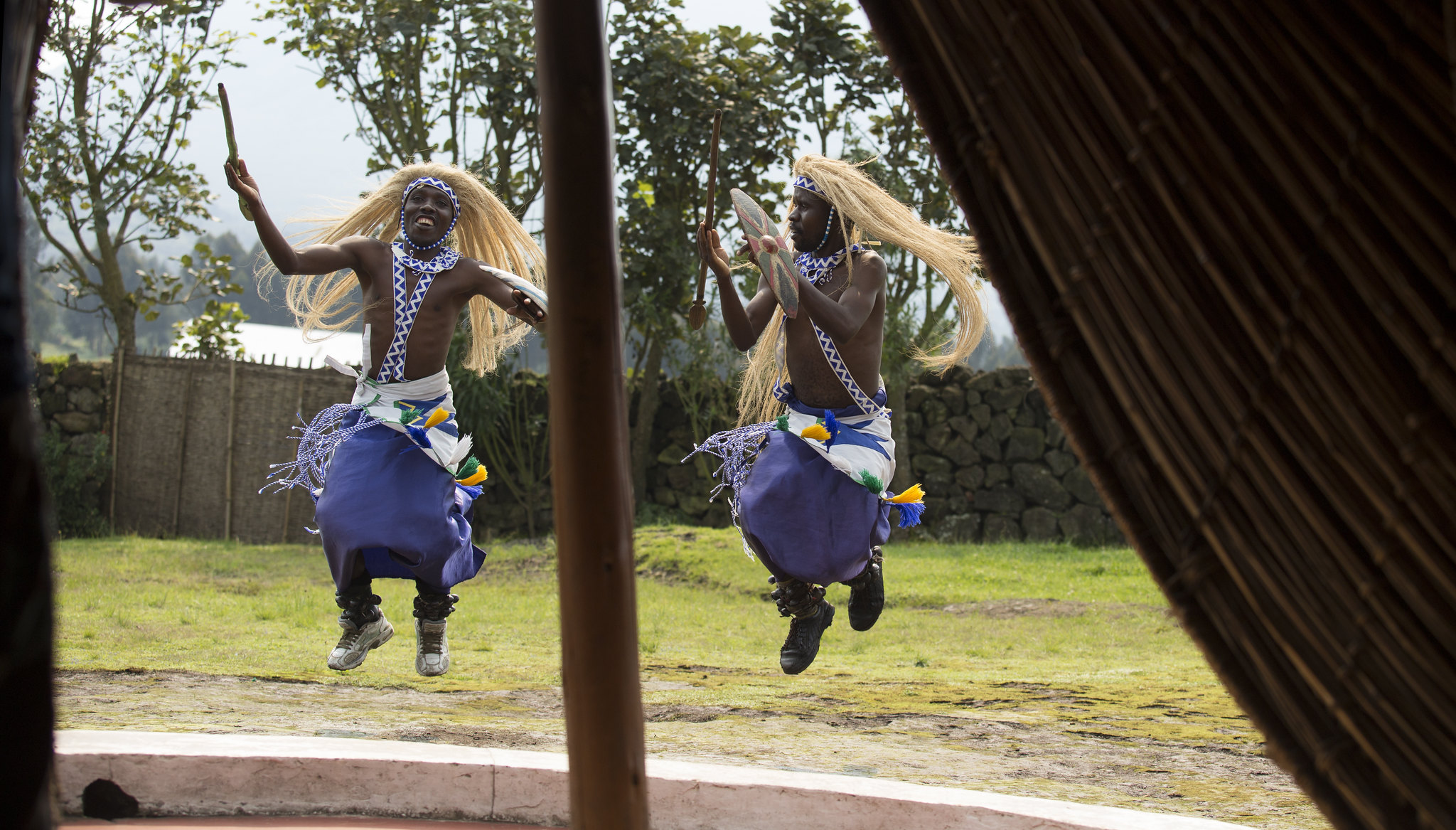
Near Volcanoes National Park, community cultural villages such as Iby’Iwacu welcome visitors for traditional dance, music, craft demonstrations, and a taste of rural Rwandan life. Many are run partly by former poachers turned conservation advocates, so a visit directly supports the shift away from harming the forest.
These visits put income straight into local hands and let communities benefit visibly from the gorillas next door. For visitors, they are an engaging, participatory experience, often a highlight, and a clear demonstration of how tourism and conservation are linked around the park.
Kigali and the Genocide Memorial
Most trips pass through Kigali, and the city rewards a tour. The Kigali Genocide Memorial is a moving and important stop, telling the story of the 1994 genocide and the country’s notable recovery since, and it gives vital context for understanding modern Rwanda.
Beyond the memorial, Kigali is clean, safe, and increasingly lively, with markets, cafes, and craft shops. A half-day or day in the capital, often at the start or end of a gorilla trip, balances the wildlife with the human story and is easy to slot into the route.
Fitting Culture into the Itinerary
Cultural experiences are easy to add because they are flexible and mostly low-cost. A community village near the park fills an afternoon around the gorilla trek, while a Kigali tour fits naturally at the start or end given that most trips begin and end in the capital.
On a longer trip combining other parks, cultural stops slot into the cross-country drives. Because none requires a demanding climb, they are ideal for rest days, for less active travellers, and for younger family members who cannot join the gorilla trek.
Culture as Part of Conservation
Cultural tourism is not separate from conservation but part of it. The community villages, craft cooperatives, and local jobs that culture supports are the same livelihoods that give people a stake in protecting the gorillas, so spending on them reinforces the wider system.
This makes a cultural add-on more than a diversion. By choosing community-run experiences and buying local crafts, visitors direct money into the communities around the park, strengthening the link between living gorillas and local benefit that underpins the whole conservation model.
Visiting Respectfully
Cultural visits are most rewarding when approached with respect and openness. Engaging genuinely with performances and demonstrations, asking questions, and treating hosts as people rather than a spectacle makes the experience richer for everyone, and a warm, curious attitude is always welcomed.
Practical courtesies help too: ask before photographing people, dress modestly, and buy crafts directly to support the community. Choosing experiences run by the community itself, rather than staged versions, ensures the benefit reaches local people and that what you see reflects real life. Visited this way, a cultural stop becomes a genuine exchange rather than a transaction.
Permit and Cost of the Combination
Cultural tours are among the cheapest additions to a gorilla trip, well below the gorilla permit and mostly needing no extra travel beyond the existing route.
$1,500 per person in 2026, the core cost of the trip.
Roughly $30 to $40 per person, often run by community groups near the park.
Low-cost, with the Genocide Memorial free or by donation, at the start or end of the trip.
Purchases that support local artisans and communities directly.
For a small added cost and no hard climbs, cultural tours turn a wildlife trip into a fuller visit with Rwanda. They add human depth, support the communities that protect the gorillas, and give travellers a richer sense of the country they have come to.
For travellers worried that cultural visits can feel staged or transactional, the answer lies in choosing carefully and engaging genuinely. The best community experiences are run by the people themselves and reflect real traditions and livelihoods rather than a performance put on for outsiders. Approached with curiosity and respect, and chosen for their community ownership, they become a highlight rather than a box to tick, and they leave travellers with a sense of the country that the forest alone could never provide.
Chosen well and approached with genuine interest, a cultural day is rarely the part of the trip travellers expected to remember, yet it is often among the parts they talk about most warmly once home.
Can you combine gorilla trekking with cultural tours in Rwanda?
Yes, easily. Cultural experiences such as community village visits near the park, a Kigali city tour, and the Genocide Memorial slot around the gorilla trek with little extra travel and at modest cost, adding human depth to the wildlife trip.
What cultural experiences are near Volcanoes National Park?
Community cultural villages such as Iby’Iwacu offer dance, music, and crafts, often run by former poachers turned conservation advocates. The twin lakes, local markets, and craft cooperatives in Musanze add more, all near the park.
Should I visit the Kigali Genocide Memorial?
It is a moving and important stop that tells the story of the 1994 genocide and Rwanda’s recovery, giving vital context for understanding the country. Most trips pass through Kigali, so it fits naturally at the start or end.
How much do cultural tours cost?
They are among the cheapest additions. A community village visit is roughly $30 to $40 per person, the Genocide Memorial is free or by donation, and crafts and markets cost what you choose to spend, all far below the gorilla permit.
How does cultural tourism help conservation?
The villages, cooperatives, and jobs that culture supports are the same livelihoods that give people a stake in protecting the gorillas. Choosing community-run experiences and buying local crafts directs money into the communities around the park.