Akagera National Park in eastern Rwanda offers around a dozen things to do, led by Big Five game drives and boat safaris on Lake Ihema, with night drives, a hot air balloon flight, birding, sport fishing, and behind the scenes conservation tours. Park entry is about $50 per person for international visitors in 2026, with most activities priced separately on top. Akagera is Rwanda’s only savannah park and its largest protected area, covering 1,085 square kilometres of plains, lakes, and wetlands along the Tanzania border, managed jointly by African Parks and the Rwanda Development Board.
The park lies about 110 kilometres and a two and a half to three hour drive east of Kigali, which makes a day trip possible, though two or more days let you cover both the lake filled south and the open northern plains. The Big Five have all been restored here over the past decade, and visitor numbers stay low compared with the better known parks of Kenya and Tanzania. Each activity below is set out with its 2026 cost and what you can reasonably expect to see.
Big Five Game Drive Safaris
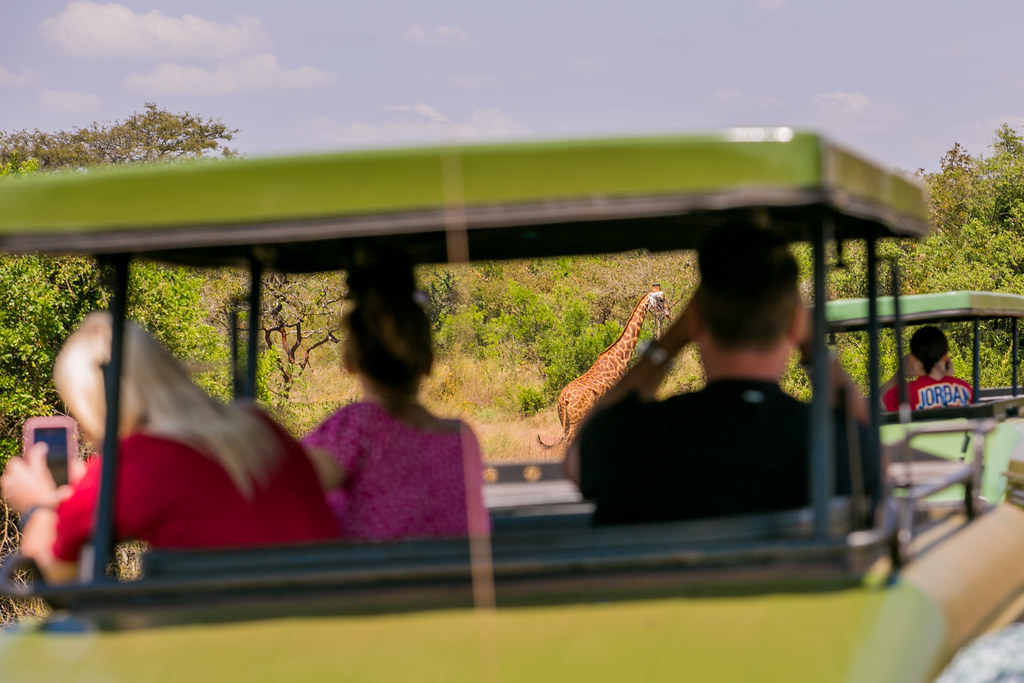
Game drives are the core activity in Akagera and the main way to find the Big Five: lion, leopard, elephant, buffalo, and rhino. Park entry of about $50 per person for international visitors in 2026 includes a self drive game drive for the day, and the fee drops by half for each night you stay inside the park. A guided game drive with a park vehicle runs about $180 for a half day and $280 for a full day, seating up to seven people, while joining a shared drive is cheaper per head.
The park splits into two broad zones. The lake studded south near the Kayonza gate holds hippos, crocodiles, antelope, and birds, while the open northern plains around the Kilala area are the best ground for lions and the reintroduced rhinos. Early morning and late afternoon give the most active wildlife and the best light. A capable four wheel drive matters, since some internal roads turn difficult in the wet months. Sightings of the full Big Five in a single visit are possible but not guaranteed, and the rhinos in particular take patience.
Night Game Drive Safaris
Night game drives open a side of Akagera that day drives miss, since many of the park’s predators and smaller animals are nocturnal. A guided night drive costs about $40 per adult and $25 per child for international visitors in 2026 and lasts roughly two and a half hours, using spotlights handled by a park ranger. The park does not allow self drive after dark, so this is always a guided activity.
With the spotlight, rangers pick out leopards, of which the park holds an estimated 15 to 20, along with bush babies, civets, genets, and hyenas, and sometimes lions on the move. Daytime heat keeps many of these animals hidden, so dusk and after dark are the best windows to see them. The drive leaves from near the southern lodges and campsites, which makes it an easy add on for guests staying inside the park. It is one of the highest value activities here for the price.
Boat Safaris on Lake Ihema
A boat safari on Lake Ihema is the second signature activity in Akagera and shows the park from the water, an angle no game drive can match. Lake Ihema is Rwanda’s second largest lake at about 90 square kilometres, and it holds one of the highest concentrations of hippos in East Africa, along with large crocodiles. A scheduled day boat trip costs about $35 per adult and $20 per child, a sunset trip about $45 per adult and $30 per child, and a private boat about $180 for up to eleven people, all at 2026 rates.
The shoreline draws buffalo, elephant, and antelope down to drink, and the lake is one of the best birding spots in the country, with fish eagles, kingfishers, herons, and a chance of the rare shoebill stork. Trips run in the morning, afternoon, and at sunset, and the scheduled boat takes a maximum of eleven passengers. Many visitors rate the boat as the highlight of their trip, since the wildlife is close and the pace is relaxed. Sunrise gives the best chance of the shoebill.
Hot Air Balloon Safaris Over the Plains
A hot air balloon safari is the newest premium activity in Akagera, launched by Royal Balloons in 2022 as Rwanda’s first balloon operation. The flight lifts off at dawn and floats over the savannah and the network of lakes and rivers, giving an aerial view of zebra, giraffe, and other herds spread across the plains. The two balloons each carry four to six passengers and rise to roughly 1,000 metres above the landscape.

This is a higher cost activity booked directly with the balloon operator rather than at the park gate, and it usually includes the early morning flight and a landing celebration. It suits travellers who want a different perspective and a special occasion outing rather than a budget option. Because capacity is small and flights depend on the weather, booking ahead is essential. The calm light of dawn makes it the most photogenic time of day in the park.
Birding Safaris and the Shoebill Stork
Akagera records over 500 bird species across its plains, lakes, and papyrus swamps, which puts it among Rwanda’s top birding sites and gives a very different list from the forest parks. Birding is done on game drives, boat trips, and guided walks, with the wetlands holding the rarest species. The headline target is the shoebill stork, a large, prehistoric looking bird best looked for from a boat at sunrise.
Other notable species include the red faced barbet, papyrus gonolek, African fish eagle, grey crowned crane, malachite kingfisher, and a range of raptors, storks, and water birds. The mix of open savannah and extensive wetland means a single day can turn up a long and varied list. A specialist guide helps with identification, especially among the swamp species. Birding here pairs naturally with the boat safari, since the lakeshore is the most productive habitat.
Sport Fishing on Lake Shakani
Sport fishing is one of the more unusual things to do in Akagera and takes place on Lake Shakani, where visitors cast from the shore for tilapia and catfish. The activity costs about $25 per adult and $15 per child for international visitors in 2026, and you need to bring your own fishing gear, since equipment is not provided. Staying at the Lake Shakani campsite puts you right beside the fishing spot.
It is a quiet, slow activity with a strong sense of place, and the lakeside setting means wildlife and birds are often around while you fish. Some visitors cook their catch over an open fire at the campsite afterwards. Fishing suits travellers who want to slow down between game drives and enjoy the park without a vehicle. As with the boat trips, the lakes are busy with hippos and crocodiles, so the activity is done under park guidance and within designated areas.
Behind the Scenes Conservation Tours
The Behind the Scenes tour takes visitors to the park headquarters to see how Akagera is run and protected, which is a story worth knowing given the park’s recovery from near collapse. Guides explain the anti poaching work, the wildlife monitoring, the canine and helicopter units, and the technology used to track animals and patrol the boundary. It gives context to the wildlife you see on the drives.
This is an educational, low effort activity rather than a wildlife outing, and it appeals to travellers interested in conservation and how the African Parks and Rwanda Development Board partnership rebuilt the reserve. Numbers are limited and it is arranged through the park, so it is best booked in advance. Combined with a game drive and the night drive, it rounds out a fuller picture of how a modern protected area actually works.
Walk the Line and Guided Nature Walks
The Walk the Line experience follows a stretch of the park’s boundary fence on foot with rangers, showing how the community edge of the park is managed and how people and wildlife are kept apart safely. Guided nature walks elsewhere in the park let visitors stretch their legs away from the vehicle, looking at smaller wildlife, plants, and birds that are easy to miss on a drive.
Walking activities are always guided, since this is a Big Five park and large animals are present. They give a slower, ground level feel for the savannah and a closer look at tracks, insects, and birdlife. These walks work well for travellers who find full days of driving tiring and want variety. They also tie into the park’s community and conservation story, which is one of Akagera’s strongest themes.
Tracking the Big Five Across the Savannah
Seeking out the Big Five is the thread that runs through most Akagera safaris, and the park is one of the more rewarding places to attempt it because of its low visitor numbers. Lions were brought back in 2015 after a long absence, and their population has grown steadily since. Black rhinos were reintroduced in 2017 and white rhinos in 2021, restoring the full set of five alongside the resident elephants and buffalo.
Lions and rhinos are most reliably found on the northern plains, elephants and buffalo range widely, and leopards are best looked for on a night drive. None of the five is guaranteed on a single visit, and rhinos in particular reward time and a good guide. The thrill here is partly the conservation story: this is wildlife that was lost and deliberately restored, in a park that has become a model for recovery across the region.
Scenic Drives to the Mutumba Hills
Beyond the wildlife, the drive to the Mutumba Hills in the north gives some of the widest views in the park, looking out over the plains, the chain of lakes, and across to Tanzania. The high ground is a good place to stop, stretch, and take in the scale of the savannah, and it often produces plains game and raptors along the way. The route is part of a northern game drive rather than a separate activity.
The varied landscape, from papyrus swamp and lakes in the south to rolling acacia plains and hills in the north, is one of the things that sets Akagera apart from a single habitat park. A scenic loop that links the southern lakes with the northern hills covers the full range in a long day. The viewpoints are best in the clear light of early morning or late afternoon, which also coincides with the most active wildlife.
Community and Cultural Visits near Akagera
Around the park, community and cultural visits let travellers meet the people who live alongside Akagera and benefit from its tourism. These visits can include local villages, craft and farming demonstrations, and projects funded by the revenue sharing that ties the park’s success to its neighbours. They give a human dimension to a trip that is otherwise focused on wildlife.
The community work is central to how Akagera was rebuilt, since reducing poaching depended on giving local people a stake in the park’s future. A cultural visit is a gentle, flexible activity that fits easily around game drives and the boat safari. It is arranged through lodges or the park, and the income supports the same villages whose cooperation keeps the wildlife safe. For travellers who want more than animal sightings, it adds context and balance to the savannah experience.
Cost of Activities in Akagera National Park in 2026
Akagera prices park entry separately from each activity, and the figures below are 2026 international visitor rates. Park entry is valid for 24 hours and includes a self drive game drive, with the fee halving for each night you spend inside the park. Children aged 6 to 12 pay reduced rates and under 5s are free. None of these fees include accommodation, meals, or a private guide and vehicle unless stated.
The grid below compares the main paid activities by cost, length, best time of day, and what each is known for, so you can build a day around them. Use the buttons to highlight one activity at a time.
How to Reach Akagera and When to Go
Akagera sits in eastern Rwanda on the Tanzania border, about 110 kilometres and two and a half to three hours by road from Kigali on a paved highway through Kayonza. The proximity makes a day trip workable, though staying inside the park lets you reach the productive northern plains and catch the early and late wildlife activity. Lodging ranges from campsites and the mid range Ruzizi Tented Lodge and Akagera Game Lodge to the upper tier Karenge Bush Camp, reopened in 2025, and Wilderness Magashi on the lake peninsula.
The drier months of June through September and December through February give the best game viewing, since thinner vegetation and animals gathering at water make sightings easier, and these are the busiest months. The shoulder periods of May and November bring greener plains and fewer visitors, with some roads harder going after rain. Wildlife is present year round, so the season choice is mainly about visibility, road conditions, and crowds. Booking the night drive, balloon, and any private boat ahead of time is sensible, since capacity on each is limited. Whichever month you pick, plan at least one early morning drive in the north for the best chance at the predators.
How much does it cost to enter Akagera National Park in 2026?
Park entry is about $50 per person for international visitors, valid for 24 hours and including a self drive game drive. The fee drops by half for each night you stay inside the park. Children aged 6 to 12 pay reduced rates, and under 5s enter free. Individual activities are priced on top.
Can I see the Big Five in Akagera?
All five are present: lions reintroduced in 2015, black rhinos in 2017, white rhinos in 2021, plus resident elephants and buffalo, with leopards best seen at night. Seeing all five in one visit is possible but not guaranteed, and rhinos in particular reward patience and a good guide on the northern plains.
Is the boat safari worth it?
For many visitors the Lake Ihema boat safari is the highlight, offering close views of hippos and crocodiles and the park’s best birding, including a chance at the shoebill stork at sunrise. A scheduled day trip costs about $35 per adult, with sunset and private options at higher rates.
Do I need a four wheel drive?
A capable four wheel drive is recommended for self drives, since some internal roads become difficult in the wet season. Motorcycles and bicycles are not allowed in the park. If you book a guided drive or an organised safari, transport is arranged for you.
Is one day enough for Akagera?
A day trip from Kigali works for a taste of the southern lakes and a boat safari, but two or more days let you cover the northern plains, add a night drive, and improve your odds with the Big Five. Staying inside the park also halves the daily entry fee per night.
Explore our Rwanda gorilla tours for a private, tailor-made trip.