A Rwanda gorilla permit costs USD 1,500 per person for foreign non residents in 2026, USD 500 for African residents, and USD 200 for East African citizens. The permit is issued by the Rwanda Development Board and buys one hour with a habituated mountain gorilla family in Volcanoes National Park. It is the single largest line in any gorilla trip budget, and the price is the same in every month of the year.
Permits
Rwanda Gorilla Permit Cost Explained
Everything you need to secure a Rwanda gorilla permit - the 2026 price, what it covers, how to book, discounts, and when to lock in your date.
The Complete Guide
Everything in this guide9 in-depth articles
Explore every part of Rwanda gorilla trekking in gorilla trekking permits - written by our local East African guides.
01
Can Gorilla Permits Sell Out?
Yes, Rwanda gorilla permits regularly sell out, especially in the dry season, because only a limited…
Read guide →
02
Gorilla Permit Availability by Month
Gorilla permit availability in Rwanda is tightest in the dry months of June to September and…
Read guide →
03
Gorilla Permit Cancellation Policies
Rwanda gorilla permits are non refundable if you cancel voluntarily or fail to show up, though…
Read guide →
04
Gorilla Permit Discounts in Rwanda
Rwanda offers a 30 percent low season discount on gorilla permits, bringing the foreign non resident…
Read guide →
05
Gorilla Permit vs Safari Package
A gorilla permit is just the USD 1,500 ticket to trek, while a safari package bundles…
Read guide →
06
How to Book a Gorilla Permit in Rwanda
You book a Rwanda gorilla permit either directly with the Rwanda Development Board through its online…
Read guide →
07
Last-Minute Gorilla Permits in Rwanda
Last minute gorilla permits in Rwanda are possible, mainly through licensed operators who hold permits in…
Read guide →
08
What Is Included in a Rwanda Gorilla Permit?
A Rwanda gorilla permit includes park entry, a guide, the armed ranger escort, the trackers, one…
Read guide →
09
When Should You Buy a Gorilla Permit?
You should buy a Rwanda gorilla permit three to six months ahead for the dry season…
Read guide →
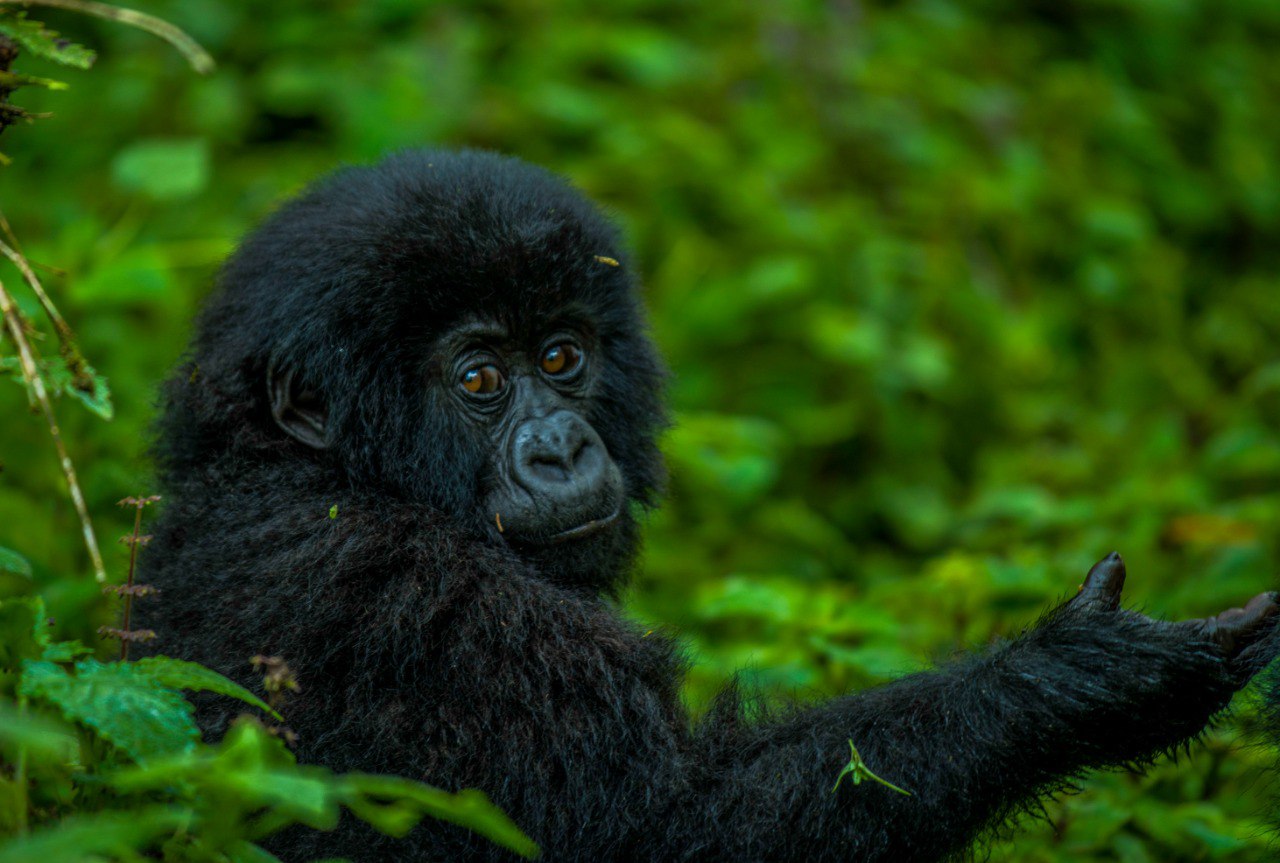
That headline figure raises fair questions. Why so much, what does the money actually pay for, and how does it sit against neighbouring countries? This article breaks the permit cost down tier by tier and shows where your fifteen hundred dollars goes.
The 2026 Permit Price by Visitor Type
Rwanda sets the permit price by who you are rather than when you visit. The standard rate of USD 1,500 applies to foreign non residents, which covers most international visitors. Citizens and residents of African countries pay USD 500, and citizens of Rwanda and other East African Community states pay USD 200.
Each rate buys exactly the same thing: a guided trek to one assigned family and a strict one hour visit, with a maximum of eight visitors per family per day. The tiered structure is designed to keep the experience open to Rwandans and regional travellers while international demand funds the bulk of conservation. Your nationality and residency are checked against your passport, so the rate you book must match your documents.
Why the Permit Costs USD 1,500
The price is deliberate, not arbitrary. Rwanda has chosen a low volume, high value model that limits the number of people in the forest each day to protect the gorillas. A higher price with fewer permits means less pressure on the families and more revenue per visitor to fund their protection.
The fee pays for ranger and tracker salaries, veterinary care through the gorilla doctors, anti poaching patrols, and park management. A share also flows to the communities around the park. In short, the permit is less a ticket and more a conservation contribution that happens to grant you an hour with the animals it protects.
How the Permit Price Compares Across Tiers
The chart below shows the three 2026 permit rates side by side, making the gap between international and regional pricing clear at a glance.
What the Permit Includes
The fee covers more than just access. It includes park entry, a professional guide, the armed ranger escort, the trackers who locate your family at dawn, the one hour visit itself, and a printed certificate at the end. There is no separate gate fee for trekkers on top of the permit.
What the permit does not cover is also worth knowing. Transport to the park, accommodation, meals, a porter at around USD 20, and tips are all extra. Travellers sometimes assume the high price is all inclusive, then find these add ons surprising, so it helps to budget for them separately from the start.
The Permit Cost in 2026 at a Glance
These are the rates you will pay and the main extras to plan around.
Foreign non resident
USD 1,500 per person for one hour with a habituated family, the same price all year.
USD 1,500 per person for one hour with a habituated family, the same price all year.
African resident
USD 500 for African citizens and foreign residents of African countries.
USD 500 for African citizens and foreign residents of African countries.
East African citizen
USD 200 for citizens of Rwanda and other East African Community states.
USD 200 for citizens of Rwanda and other East African Community states.
Common extras
Porter about USD 20, plus transport, lodging, meals, and tips, none of which are in the permit.
Porter about USD 20, plus transport, lodging, meals, and tips, none of which are in the permit.
How Rwanda’s Price Compares Regionally
Rwanda sits at the premium end of gorilla trekking. Uganda charges USD 800 for a standard permit in Bwindi or Mgahinga, dropping to USD 600 in low season, and the Democratic Republic of Congo’s Virunga permit runs around USD 400. Rwanda’s USD 1,500 is the highest of the three.
The trade off is access and ease. Volcanoes National Park is roughly two to three hours from Kigali on good roads, the trekking is well organised, and the country is stable and easy to travel in. Many visitors decide the higher permit buys a smoother, more comfortable trip, while budget focused trekkers look to Uganda for the same species at a lower price.
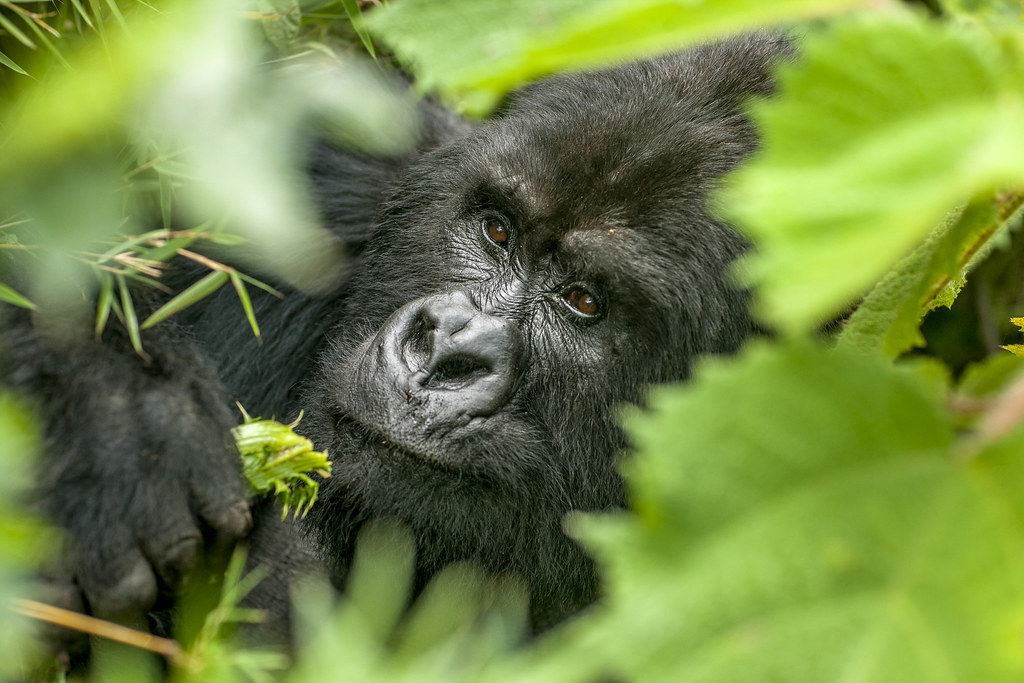
Is the Permit Cost Worth It?
Whether USD 1,500 feels reasonable depends on what you value. For one hour, it is a steep figure in pure time terms. Measured against the rarity of the animals, the strength of the conservation record, and the smoothness of the Rwandan experience, many trekkers come away feeling the money was well spent.
It also helps to see the fee as funding rather than spending. Mountain gorillas are the only great ape whose numbers are rising, and visitor permits are central to why. Your fifteen hundred dollars is part of the system that keeps the families protected, monitored, and growing, which is a return that outlasts the single hour you spend with them.
Where Your Permit Money Goes
It helps to picture the permit as a funding instrument with several destinations. A large portion supports the daily protection of the gorillas: the rangers who patrol, the trackers who monitor each family from dawn, and the veterinary teams who treat sick or injured animals in the field. This frontline work is constant and expensive, and the permit revenue underwrites it.
A further share is directed to the communities living around the park. Rwanda channels a defined percentage of tourism revenue into local projects such as schools, clinics, water systems, and roads, and operates a fund that compensates farmers when gorillas or buffalo damage crops. This link between trekking income and local benefit gives nearby residents a direct stake in keeping the gorillas safe, which has helped turn former poaching areas into protected ones. When you pay USD 1,500, you are buying into that whole system, not just an hour of viewing.

Paying for Your Permit
Payment is made in full at the time of booking, in United States dollars, which is the currency the permit is priced in. If you book directly with the board you pay through its official online channel, while booking through an operator means paying the operator, who settles the permit fee with the board on your behalf.
Keep your payment confirmation and permit reference safe, since you will want them while arranging the rest of your trip. Because the fee is large and mostly non refundable once committed, confirm your travel dates and any visa requirements before you pay. Treating the permit as the anchor of the trip, bought first and built around, is the habit that causes the fewest headaches later.
Why the Price Sits at a Premium Level
Rwanda set its permit at the top of the regional range deliberately, as a statement about how it wants tourism to work. Rather than chasing high visitor numbers, the country chose to position gorilla trekking as a low volume, high value product, with the price acting as both a funding tool and a natural cap on demand. The figure has held steady for several years, signalling stability to operators and travellers planning well ahead.
That positioning shapes the kind of trip you get. Fewer permits mean quieter trails, calmer gorilla families, and a trek that rarely feels crowded, which many visitors count as part of the value. It also concentrates more money per visitor into protection and community work than a cheaper, busier model would. Whether the premium feels justified is personal, but it is a coherent choice rather than an arbitrary one, and grasping the logic behind the number makes the cost easier to plan for and accept.
Frequently Asked Questions About Rwanda Gorilla Permit Cost
How much is a Rwanda gorilla permit in 2026?
It is USD 1,500 for foreign non residents, USD 500 for African residents, and USD 200 for East African citizens, all for the same one hour visit.
Does the price change by season?
The standard rate stays the same all year, though a low season promotion can reduce the cost for visitors who meet certain conditions, such as additional nights in other Rwandan parks.
What does the permit fee pay for?
Ranger and tracker salaries, veterinary care, anti poaching work, park management, and community support, alongside your guided one hour visit.
Is the permit all inclusive?
No. It covers park entry, guiding, and the visit, but not transport, lodging, meals, a porter, or tips.
Why is Rwanda more expensive than Uganda?
Rwanda runs a low volume, high value model with easier access from the capital. Uganda’s permit is USD 800, and the DRC’s is around USD 400.
Has the permit price changed recently?
The USD 1,500 rate has held steady for several years, which helps travellers budget and plan trips well in advance with confidence in the figure.
Do children pay the same permit price?
Trekking has a minimum age of 15 in Rwanda, and those eligible pay the standard rate for their visitor type, so there is no reduced child permit.
Watch
See it for yourself
 Speak to a local expert
Karibu
Ready to meet the gorillas?
Let Insight Safari Holidays, locally owned since 2000, handle your permits, lodges and logistics. Tailor-made Rwanda gorilla trekking, planned by people who call these forests home.