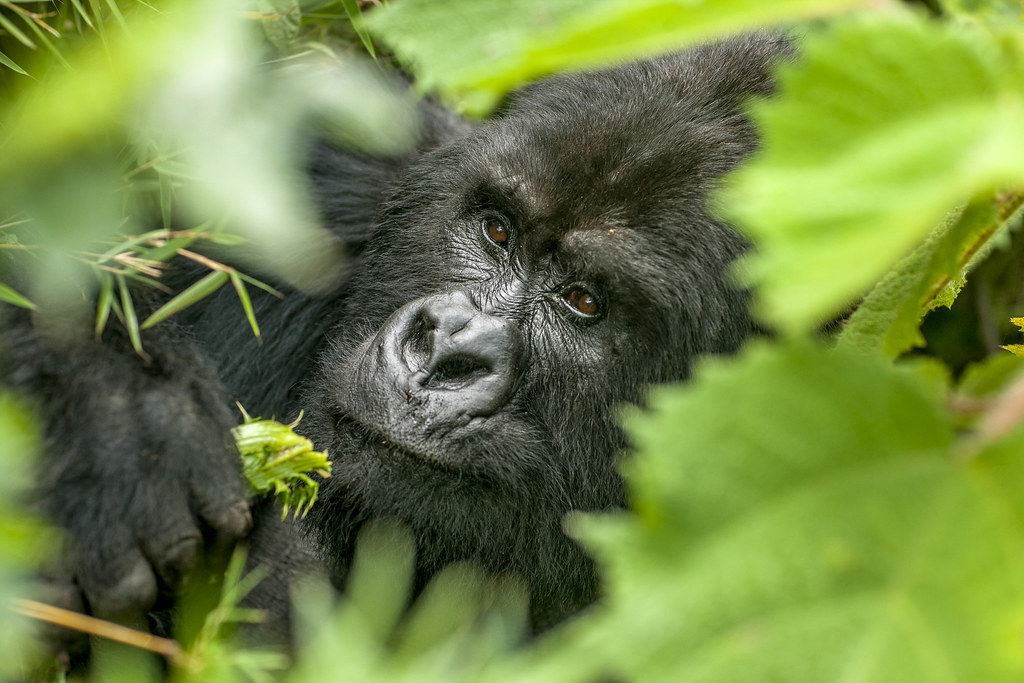
The minimum age for gorilla trekking in Rwanda is 15 years, strictly enforced with no exceptions, and there is no upper age limit. The rule is agreed across Rwanda, Uganda, and the Democratic Republic of Congo, and it exists to protect the gorillas from disease and to ensure trekkers can handle the climb and follow the rules. The permit costs $1,500 in 2026. Volcanoes National Park lies in northern Rwanda near Musanze along the Virunga Mountains, holding part of the world’s only wild mountain gorilla population.
This guide explains the minimum age, why it is set at 15, why there is no upper limit, how age is checked, and what families travelling with younger children can do instead. The rule is simple, but the reasons behind it connect directly to the conservation logic that governs the whole experience.
What Is the Minimum Age for Gorilla Trekking?
You must be at least 15 years old on the day of the trek to take part. This is a firm requirement in Rwanda, checked against your passport, and it applies to every habituated family in Volcanoes National Park. A child who is 14, even by a single day, will not be permitted to trek.
The rule is the same whether you book independently or through an operator, and it cannot be waived by paying more or signing a waiver. It is one of the few aspects of the trek that is completely fixed, regardless of fitness or maturity.
Why the Age Limit Is 15
The limit exists for two linked reasons. The first is disease. Younger children catch and carry common illnesses, such as colds and flu, more frequently than adults, and mountain gorillas are highly vulnerable to human respiratory infections. Keeping under-15s out of the forest reduces the risk of passing illness to the animals.
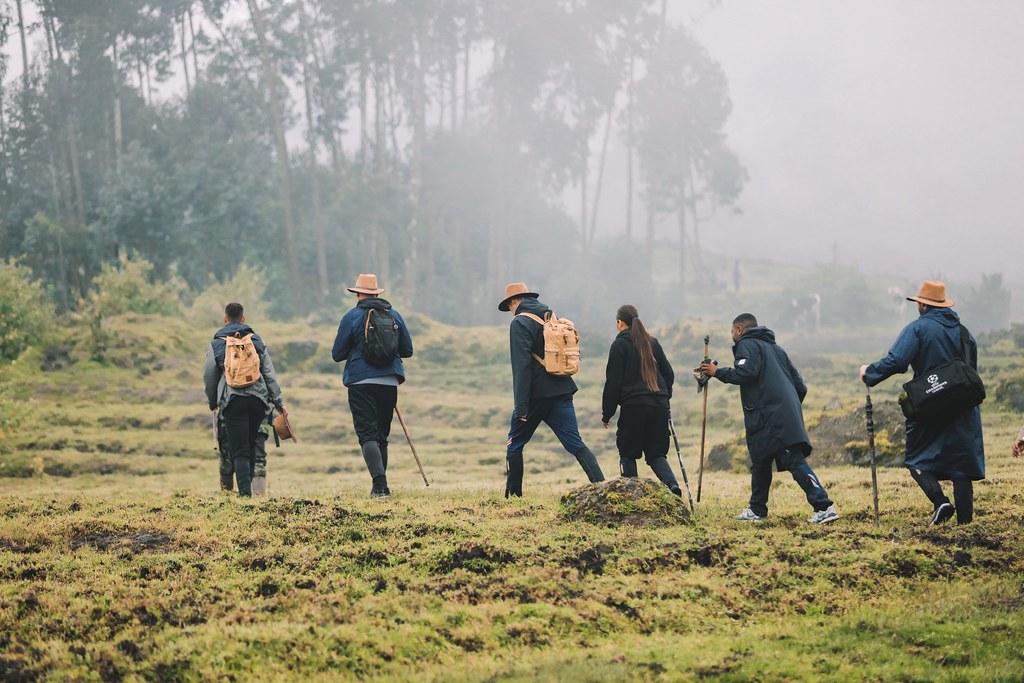
The second is behaviour and safety. The trek is physically demanding, often steep and muddy at altitude, and the hour with the gorillas requires calm, controlled behaviour. The age limit helps ensure trekkers are physically capable and mature enough to follow the guide’s instructions closely around large wild animals.
Is There an Upper Age Limit?
There is no upper age limit for gorilla trekking. Fit visitors in their seventies and beyond complete it regularly, and what matters is mobility and stamina rather than age itself. Older trekkers do well by requesting an easier family, hiring a porter, and taking the climb at their own pace.
For those who are older or have limited mobility, the park’s support options open the trek further. Requesting a low-ranging family such as Sabyinyo keeps the hike short, a porter offers a steadying hand, and a sedan chair carried by porters is available for an additional fee as a last resort. Age alone rarely rules anyone out.
Why the Rule Has No Exceptions
The minimum age allows no exceptions, and that firmness is deliberate. Allowing even rare exceptions would create pressure for more, and the disease risk that the rule guards against does not bend to individual circumstances. A single sick child near a family could be devastating for a population of only around 1,000 to 1,100 animals.
Because the rule is absolute, there is no point in appealing it on the day or trying to book around it. Families planning a trip should treat 15 as a hard line and plan accordingly, rather than hoping for flexibility that does not exist. Operators are equally bound by it, and a reputable one will tell you plainly at the booking stage rather than take a deposit for a child who cannot legally trek, so honest planning from the outset saves disappointment later.
How Your Age Is Checked
Age is verified against your passport, which you present at the Kinigi briefing along with your permit. The permit itself is tied to a named individual, so there is no way to substitute an older traveller’s documents for a younger child’s. Operators also confirm ages at booking.
If you are travelling with a teenager who turns 15 close to the trip, carry clear documentation and book the trek for a date after their birthday. Because the check is strict and based on the passport date, there is no room for rounding up or informal allowances.
Age Limits Across Rwanda, Uganda, and the DRC
The age-15 minimum is not unique to Rwanda. It is a shared standard agreed by all three countries where mountain gorilla trekking takes place: Rwanda, Uganda, and the Democratic Republic of Congo. This means a family cannot simply cross a border to find a lower age limit.
The consistency reflects the shared conservation goal, since the gorilla populations move across the same borders and face the same disease risks. Whichever country you choose for trekking, the minimum age and the reasoning behind it are the same.
What Families with Younger Children Can Do
Families with children under 15 still have options around the trek. While the under-15s cannot join the gorilla hike, other activities near the park are more welcoming, such as visits to a cultural village, walks around the twin lakes of Burera and Ruhondo, and gentler nature activities that do not carry the same restriction.
Some families split the trip, with eligible members trekking while a younger child enjoys other activities with one parent, then reuniting for the rest of the trip. Planning around the age rule rather than against it lets a whole family enjoy the region even when not everyone can trek.
Permit and the Age Rule
The permit is the same $1,500 per person in 2026 regardless of age, for everyone aged 15 and over. There is no discounted youth permit, so a 15-year-old pays the full adult rate, which is worth factoring into a family budget.
$1,500 per person in 2026 for all trekkers aged 15 and over, with no youth discount.
15 years, checked against your passport at the briefing, with no exceptions.
Fit older visitors trek regularly; request an easier family and a porter.
Pair the trek with activities open to younger children near the park.
Knowing the age rule in advance lets families plan a trip everyone can enjoy, with the trek for those eligible and other activities for those who are not. The rule is firm, but it leaves plenty of room to build a good trip around it.
What is the minimum age for gorilla trekking in Rwanda?
The minimum age is 15 years, strictly enforced with no exceptions and checked against your passport at the briefing. A child who is 14, even by a day, cannot trek, and the rule cannot be waived by paying more or signing a waiver.
Is there a maximum age for gorilla trekking?
No. There is no upper age limit, and fit visitors in their seventies and beyond trek regularly. Mobility and stamina matter more than age, and older trekkers do well by requesting an easier family, hiring a porter, or using a sedan chair if needed.
Why is the age limit set at 15?
For two reasons: younger children carry common illnesses more often, raising the disease risk to gorillas, and the trek is physically demanding and requires mature, controlled behaviour around large wild animals. The limit addresses both at once.
Can the age limit be waived?
No. The rule allows no exceptions, because the disease risk it guards against does not bend to individual cases and any exception would create pressure for more. There is no point appealing it on the day or booking around it.
What can families with younger children do?
Children under 15 cannot join the gorilla trek, but can enjoy other activities near the park such as a cultural village visit, the twin lakes, and gentler nature activities. Some families split the trip so eligible members trek while a younger child does other activities.