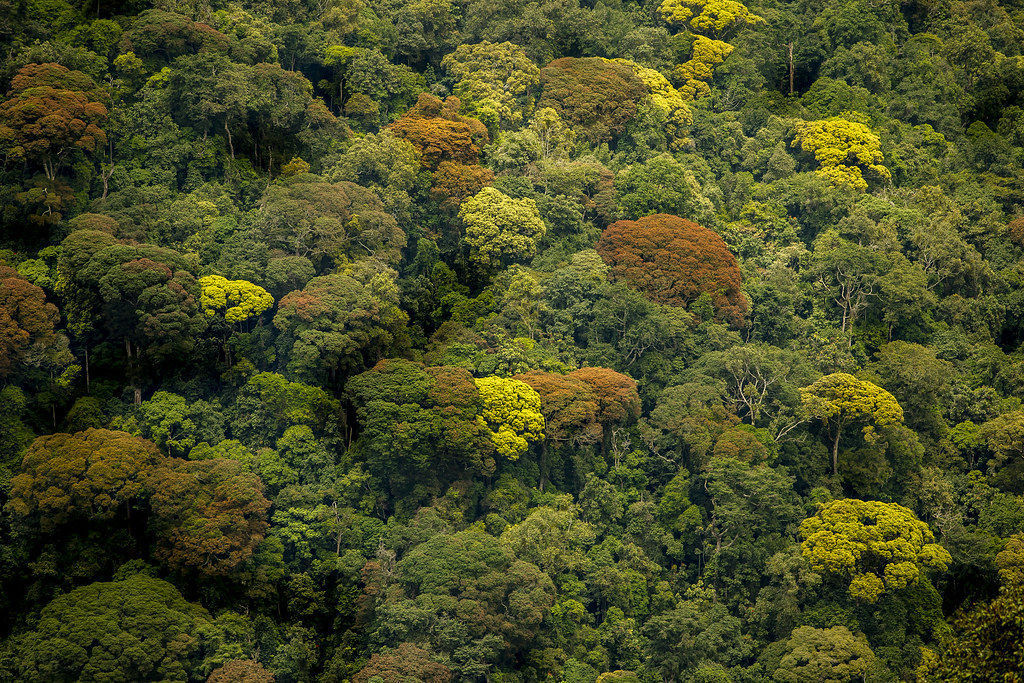
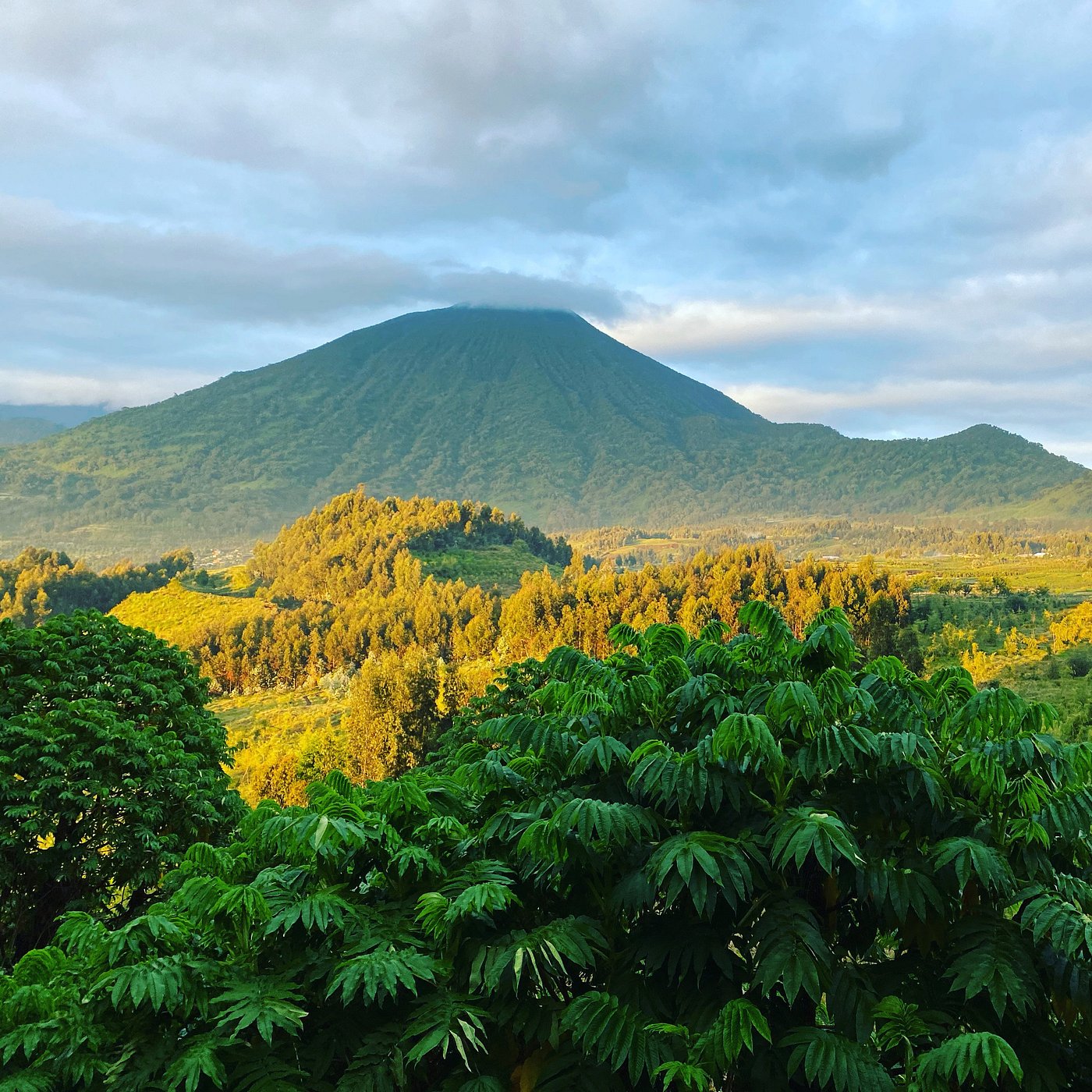
Gorilla research projects in Rwanda centre on the Dian Fossey Gorilla Fund’s Karisoke programme, the Gorilla Doctors veterinary team, and the daily tracking and naming work run through Volcanoes National Park. Together they monitor each habituated family’s health and behaviour, treat sick or injured gorillas, and build the long-term data that guides conservation. This research underpins the tourism funded by the $1,500 permit. The gorillas live in Volcanoes National Park in northern Rwanda near Musanze along the Virunga Mountains, part of the only wild mountain gorilla population on Earth.
This guide outlines the main research efforts, what they do, and how they connect to the trekking experience. Behind every calm hour with a gorilla family lies decades of patient study and daily monitoring that keep the population understood and protected.
The calm, close hour that visitors spend with a gorilla family can make the experience feel almost effortless, as though the gorillas simply tolerate human company. In truth it rests on an enormous, largely invisible foundation of scientific work, much of it carried out daily and stretching back more than half a century. The research projects described here are what make the gorillas known, treatable, and protected, and they are the quiet reason the trekking experience exists at all.
Why Research Matters
Research is the foundation of gorilla conservation. Protecting a tiny, vulnerable population requires knowing it intimately: how many gorillas there are, how families form and split, what threatens them, and how to respond when one falls ill. Without this knowledge, protection would be guesswork.
The long-term studies in Rwanda are among the most detailed of any wild animal anywhere, spanning generations of known individuals. This depth lets researchers spot problems early, guide policy with evidence, and measure whether conservation is working, which is how the recovery has been tracked and sustained.
The Dian Fossey Gorilla Fund and Karisoke
The Dian Fossey Gorilla Fund carries on the work Fossey began at Karisoke in 1967, running daily monitoring of habituated families and maintaining one of the longest continuous datasets on any wild great ape. Its researchers follow known individuals across their lives, recording births, deaths, and family dynamics.
This long-term presence does double duty as research and protection, since a daily human presence deters poaching and catches problems early. The Fund also trains local scientists and works with communities, extending its impact beyond the forest and helping build Rwanda’s own conservation capacity.
Gorilla Doctors
The Gorilla Doctors programme provides veterinary care to wild mountain gorillas, an unusual and delicate undertaking. The team intervenes when gorillas suffer snare injuries, respiratory infections, or other life-threatening conditions, performing treatments in the field that would be routine for captive animals but are rare in the wild.
Because gorillas share so much of their biology with humans, this care must balance helping individuals against minimising interference. The programme’s work has saved many gorillas and contributes to the population’s growth, making it a vital part of the conservation effort and a striking example of hands-on wildlife medicine.
Daily Tracking and Monitoring
Every day, trackers set out before dawn to locate each habituated family, the same work that makes tourism possible. They record the gorillas’ health, feeding, and movements, and this routine monitoring is itself a form of research, feeding a steady stream of data to the scientists.
This daily contact means problems rarely go unnoticed for long: an injured or sick gorilla can be spotted and, if needed, treated quickly. The tracking system is the backbone that connects research, protection, and tourism, since the same effort that finds the gorillas for visitors also keeps them under constant, careful watch.
Kwita Izina and Tracking Individuals
Kwita Izina, Rwanda’s annual gorilla naming ceremony held since 2005, is both a celebration and a research tool. Each infant born in the year is given a name, which helps researchers track individuals across their lives and builds public engagement with the gorillas’ story.
The ceremony has named hundreds of gorillas and become a major national event, drawing attention to conservation and the population’s growth. By turning the naming of new gorillas into a public celebration, it connects the careful work of individual tracking to a wider sense of national pride in the recovery.
How Research Connects to Trekking
The trekking experience rests entirely on this research and monitoring. The families visitors meet are habituated and understood through decades of study, located each day by trackers, and kept healthy by veterinary care, all of which makes the calm, close hour possible.
Visitors also contribute, since permit revenue helps fund the research, and the rules they follow protect the data and the animals. In this way, every trek is part of the same system that studies and protects the gorillas, linking the tourist’s hour to the long scientific effort behind it.
Permit and Supporting Research
The permit helps fund the research that underpins gorilla conservation, so visiting supports the science as well as the protection. The $1,500 fee is part of what keeps the monitoring, veterinary care, and study running.
$1,500 per person in 2026, helping fund research and monitoring.
Continuous research since 1967, one of the longest great ape datasets.
Veterinary care for wild gorillas suffering injury or illness.
Annual naming since 2005, tracking individuals and celebrating growth.
Gorilla research projects in Rwanda are the quiet engine behind both the conservation success and the trekking experience. The patient daily work of monitoring, treating, and studying the gorillas is what keeps the population understood, protected, and recovering, and every visitor’s permit helps keep that engine running.
What ties these efforts together is continuity. Research that has run without interruption for over half a century, daily tracking that never pauses, and veterinary care always on call mean the gorillas are among the most closely watched wild animals on the planet. That constancy is itself a form of protection, since threats are spotted and addressed before they escalate, and it is why the knowledge base behind gorilla conservation is so unusually deep. Every visitor’s permit helps ensure that this watch, quietly maintained year after year, can continue.
For the traveller, knowing this lends the hour in the forest a richer meaning, transforming a wildlife sighting into a brief meeting with the subjects of one of science’s longest and most devoted studies.
What gorilla research happens in Rwanda?
The main efforts are the Dian Fossey Gorilla Fund’s Karisoke programme, the Gorilla Doctors veterinary team, daily tracking by park staff, and the annual Kwita Izina naming ceremony. Together they monitor health and behaviour, treat sick gorillas, and build long-term data.
What is the Dian Fossey Gorilla Fund?
The organisation that continues the work Fossey began at Karisoke in 1967, running daily monitoring of habituated families and maintaining one of the longest continuous datasets on any wild great ape. It also trains local scientists and works with communities.

What do the Gorilla Doctors do?
They provide veterinary care to wild mountain gorillas, treating snare injuries, respiratory infections, and other life-threatening conditions in the field. Their work has saved many gorillas and contributes to the population’s growth.
What is Kwita Izina?
Rwanda’s annual gorilla naming ceremony, held since 2005, which names each infant born that year. It helps researchers track individuals across their lives, builds public engagement, and celebrates the population’s growth, having named hundreds of gorillas.
How does research connect to gorilla trekking?
The families visitors meet are habituated and understood through decades of study, located daily by trackers, and kept healthy by veterinary care. Permit revenue helps fund this research, so every trek is part of the same system that studies and protects the gorillas.
Ready to go? Start planning your trip with our Rwanda gorilla safaris.