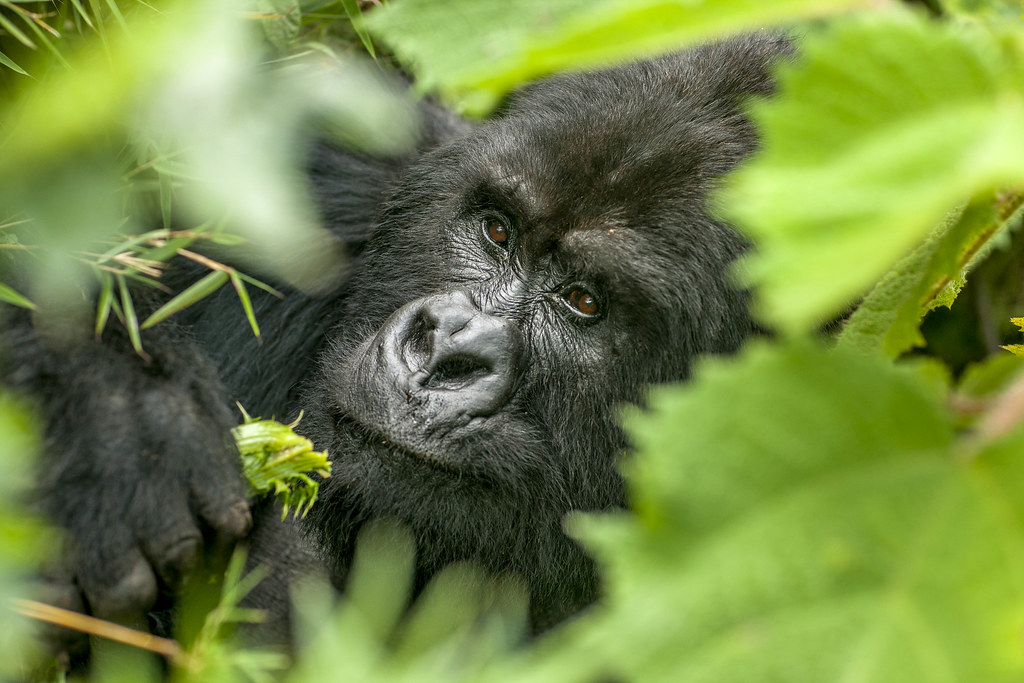
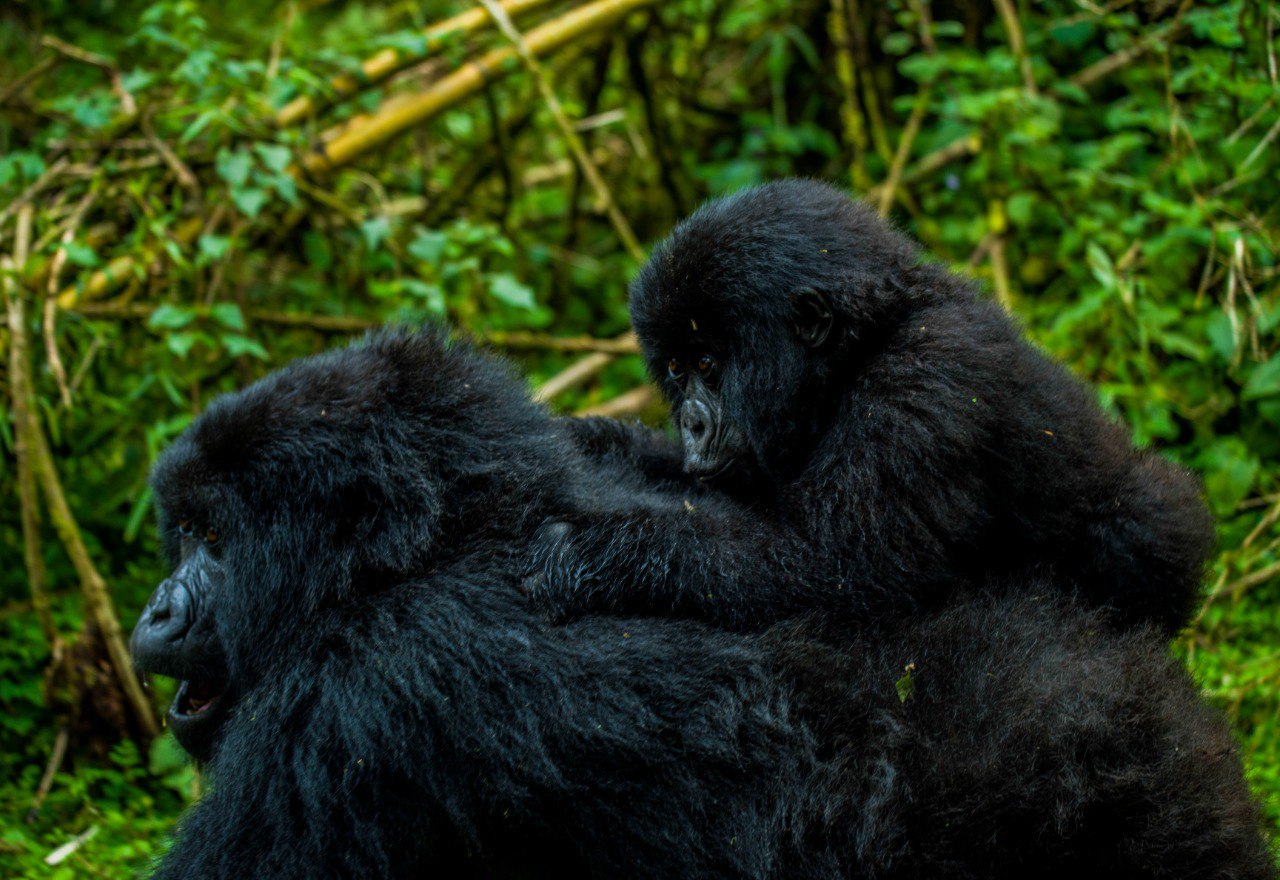
The main hidden costs of gorilla trekking in Rwanda beyond the $1,500 permit are the night-before lodge stay, transfers from Kigali, porter fees and tips, meals not included in lodge rates, a visa, travel insurance, and add-on activities. None are huge alone, but together they can add several hundred to a couple of thousand dollars per person. Knowing them in advance prevents budget surprises. The trek is in Volcanoes National Park in northern Rwanda near Musanze along the Virunga Mountains.
This guide lists the costs that catch travellers out, why each one matters, and how to plan for it. The permit is transparent and fixed; these are the lines that the headline price does not mention but that every real trip includes.
The figure that travellers anchor on is the permit, but a gorilla trip is built from many smaller costs that the headline price never mentions. None is a secret, and none is unusually high on its own, yet added together over a multi-day trip they can quietly lift the total by a meaningful margin. The travellers who feel stung are rarely those who paid a high price; they are those who budgeted only the obvious lines and were surprised by the rest. A complete picture, drawn up before you commit, is the simplest protection against that.
Why Hidden Costs Matter
Most travellers focus on the $1,500 permit and underestimate everything else. Because the permit is so prominent, the surrounding costs can come as a surprise, and a trip budgeted only on the permit and a lodge rate often runs over once the small lines are added.
The fix is simple: account for these costs from the start. None is hidden in the sense of being concealed, only in being easy to forget, and a complete budget that includes them is far more reliable than one built on the permit alone. Planning for them turns surprises into expected line items.
The Night-Before Stay
The most overlooked cost is the night before the trek. Because the briefing starts around 7 in the morning and the drive from Kigali takes two to three hours, staying near the park the night before is effectively required. That is at least one lodge night that some travellers fail to budget, assuming they can drive up on the day.
For a typical trip this means a minimum of two or three lodge nights rather than one, and more if you add activities. Build the full number of nights into the budget, not just the trek day, and confirm whether each night includes meals. Travellers who picture a single overnight and a quick drive up are the ones most often caught out, since the geography and the early briefing simply do not allow a same-day arrival from Kigali.
Transfers and Getting Around
Transport is a recurring small cost. The Kigali-to-Musanze leg, the final stretch to Kinigi, and any transfers between activities all add up, and a private transfer, while convenient, costs more than the headline bus fare some travellers assume. Self-drivers should budget vehicle hire and fuel.
Many packages bundle transfers, which hides them in the tour price rather than removing them. Whether bundled or separate, transport is a real line, and the near-mandatory night-before logistics mean you cannot avoid the cost of reaching the park properly.
Porters, Tips, and On-the-Day Cash
On the trek day, several cash costs arise. A porter is around $15 to $20, tips for guides and trackers are customary and expected, and you may want to tip a driver too. These are not included in the permit and are paid in cash on the day, so you need small US dollar bills ready.
Across a trip, tips and porter fees can total a hundred dollars or more per person. They are easy to leave out of a budget built around big-ticket items, yet they fund the people who make the trek work, so they are both a real cost and a worthwhile one.
Visa, Insurance, and Health
Before you travel, budget for a visa, which many nationalities need for Rwanda, and for travel insurance that covers trip cancellation, since the permit is non-refundable if you fall ill. These administrative costs are easy to forget but important, especially the insurance given what is at stake.
Health costs add up too: vaccinations, antimalarial medication, and a basic medical kit are all sensible spending before the trip. None is large, but together with the visa and insurance they form a pre-trip layer of cost that the permit price does not hint at.
Add-On Activities and Second Treks
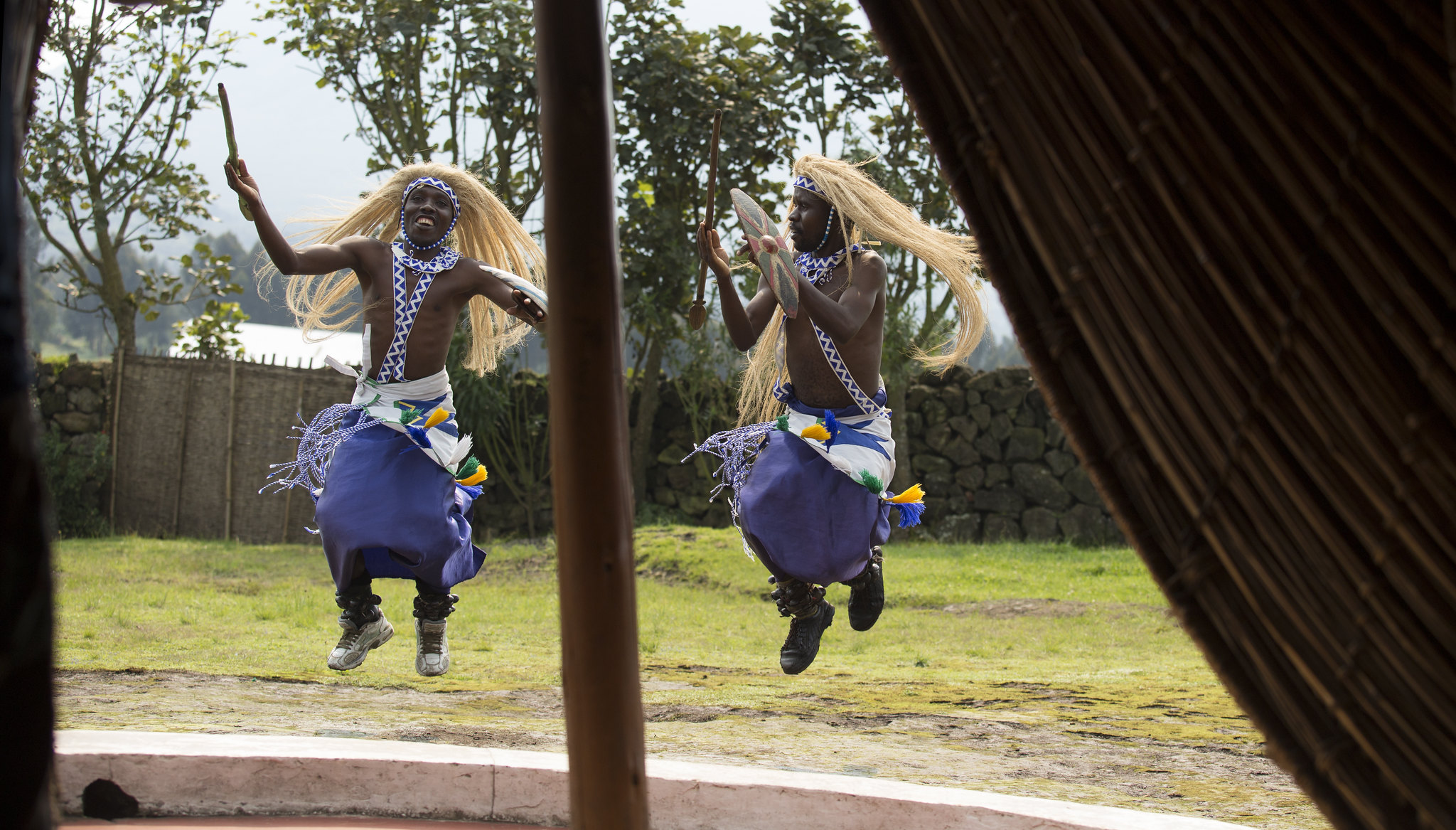
If you add activities, each is a separate line. Golden monkey tracking is about $100, the Dian Fossey hike and Bisoke climb around $75 each, a cultural village $30 to $40, and a second gorilla trek another full $1,500 permit. These enrich the trip but raise the total.
Travellers who arrive without pricing these in can find themselves spending more than planned once they see what is available. Decide which add-ons you want before you go and build them into the budget, treating them as planned choices rather than impulse purchases on the ground. It also helps to rank them, so that if time or money runs short you drop the lowest priority rather than overspending to fit everything in.
Permit and the True Total
The permit is the visible cost; these lines are the rest of the true total. Adding them honestly turns the headline $1,500 into a realistic figure you can plan around without unpleasant surprises.
$1,500 per person in 2026, the transparent headline cost, or $1,050 in the low season with qualifying parks.
At least two or three nights plus transfers, the largest hidden lines.
Porter $15 to $20, tips, and meals not included in lodge rates.
Visa, travel insurance, vaccinations, and antimalarials.
Build the budget from the permit outward, adding each of these lines, and the true cost of the trip becomes clear before you commit. The surprises only catch travellers who stop at the headline price.
What costs are hidden in gorilla trekking?
Beyond the $1,500 permit, the main forgotten costs are the night-before lodge stay, transfers from Kigali, porter fees and tips, meals not included in lodge rates, a visa, travel insurance, and add-on activities. Together they can add several hundred dollars or more.
Do I have to pay for a lodge the night before?
Effectively yes. The briefing starts around 7 in the morning and Kigali is two to three hours away, so staying near the park the night before is required. That means budgeting at least two or three lodge nights, not just the trek day.
How much should I carry in cash?
Enough small US dollar bills for the porter at $15 to $20, tips for guides and trackers, and incidentals, often a hundred dollars or more per person across a trip. Cards are not accepted everywhere near the park.
Is travel insurance necessary for a gorilla trip?
Strongly advised. The permit is non-refundable if you cancel or fall ill, so trip-cancellation insurance protects a $1,500 cost plus lodging. It is the hidden cost most worth paying, since it guards against losing the rest.
Are add-on activities expensive?
Each is a separate line: golden monkey tracking about $100, the Dian Fossey hike and Bisoke climb around $75 each, a cultural village $30 to $40, and a second gorilla trek another $1,500. Price the ones you want into the budget in advance.