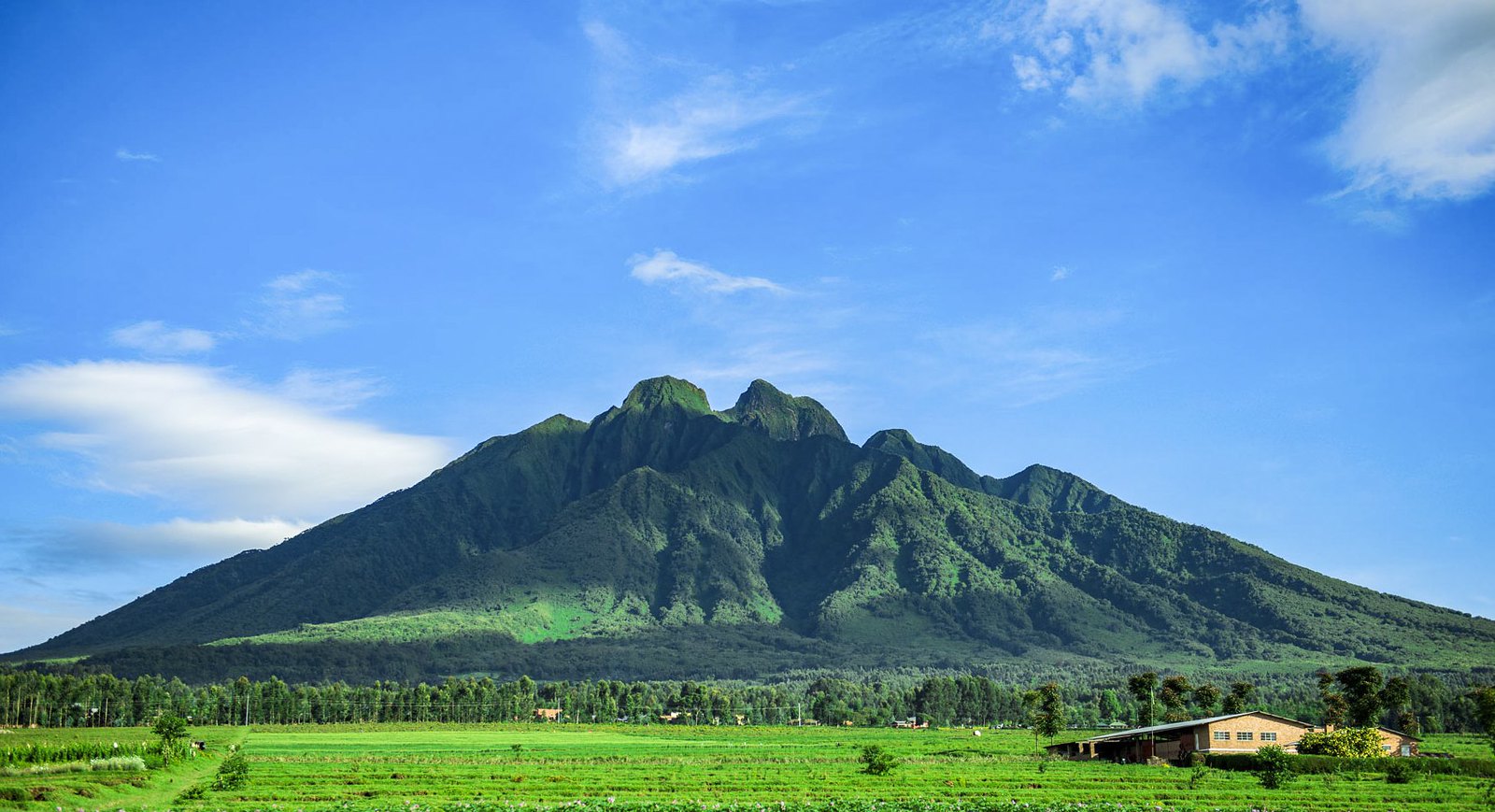
The best hiking trails in Volcanoes National Park are the Bisoke crater climb, the two day Karisimbi ascent, the Dian Fossey tomb hike, and the steep Muhabura and Gahinga climbs. Hiking fees range from USD 55 for a nature walk to USD 400 for Karisimbi in 2026. The park sits in northwest Rwanda, and its volcanic slopes offer routes for every fitness level, separate from gorilla trekking.
Many visitors come only for the gorillas, but the park’s hikes are a draw in their own right, from gentle forest walks to demanding summit climbs in thin mountain air. This guide covers the main trails, their difficulty, what they cost, and how to pick one that fits you.
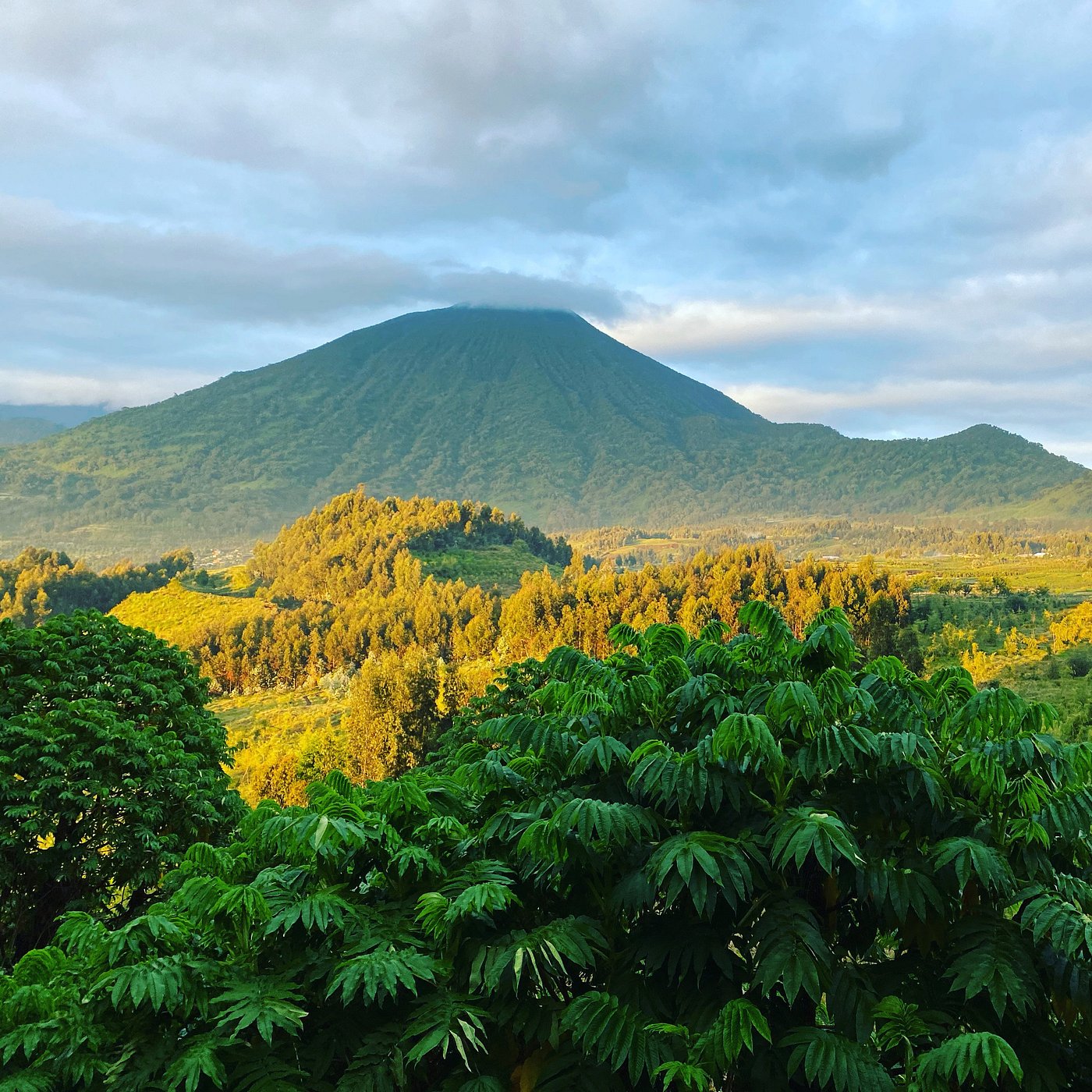
The Bisoke Crater Climb
The day climb up Bisoke is the park’s most popular hike. Reaching 3,711 metres, it ends at a wide crater lake cupped in the summit, a reward that draws steady traffic in dry months. The route is steep and can be muddy, taking most of a day round trip, but it is achievable for reasonably fit walkers without technical skill.
At USD 75, it offers strong value for a high volcano summit and crater lake. Guides and a ranger accompany each group, and a porter is well worth the modest extra cost on the slick upper sections. For anyone wanting one big climb alongside their gorilla trek, Bisoke is the usual choice.
The Karisimbi Ascent
For serious hikers, Karisimbi is the prize. At 4,507 metres it is the tallest of the Virunga volcanoes, and the climb takes two days with an overnight camp on the mountain. The upper reaches are cold, thin aired, and often wet, making this the park’s most demanding route by a clear margin.
The fee is USD 400, reflecting the two day format and the support involved, and hikers arrange porters and camping logistics separately. Strong fitness and proper gear for cold, high altitude conditions are needed. Those who reach the summit are rewarded with views across the Virunga chain, weather permitting, and the satisfaction of Rwanda’s highest peak.
Trails Compared by Difficulty
The grid below sets out the main routes with their difficulty, duration, and fee. Use the buttons to filter by how hard each one is. Figures are 2026 foreign non resident rates.
The Steep Muhabura and Gahinga Climbs
Muhabura, at 4,127 metres, is the second highest Virunga volcano in Rwanda and one of the steepest, climbed in a single demanding day for USD 100. The relentless gradient makes it a test of stamina, rewarded with broad views from the summit when the cloud lifts. It sees fewer hikers than Bisoke, so the trail is quieter.
Gahinga, lower at around 3,474 metres, is a more moderate day climb at USD 75, often combined with neighbouring peaks. Both sit on the Rwanda border with neighbouring countries and offer a wilder, less trafficked feel than the popular Bisoke route, appealing to hikers wanting solitude on the slopes.
Gentler Walks and the Fossey Trail
Not every route is a summit push. The Dian Fossey tomb hike, at USD 75, is a moderate half day climb to the old Karisoke research site, blending forest walking with conservation history. Guided nature walks at USD 55 stay lower and suit birders and slower paced visitors.
For an easy outing, the Musanze caves, formed by ancient lava, can be explored on foot for around USD 50, and golden monkey tracking offers a gentle forest walk with lively wildlife at the end. These options round out the trail menu so that families and less experienced walkers have rewarding choices too.
Choosing the Right Trail
Match the trail to your fitness, time, and gear. If you have one spare day and decent fitness, Bisoke gives the best summit reward for the effort. If you are an experienced hiker chasing a real challenge, Karisimbi or Muhabura will satisfy, provided you bring proper cold weather equipment. For relaxed walking, the Fossey trail, nature walks, and caves fit the bill.
Whichever you choose, hire a porter, wear sturdy waterproof boots, and start early, since afternoons often cloud over. Booking the hike permit in advance is wise in busy months. With routes spanning easy to strenuous in one compact park, most visitors can find a walk that matches both their legs and their schedule.
Hiking Fees in 2026
These are the foreign non resident rates for the main trails.
USD 400 for the two day summit climb to 4,507 metres.
USD 75 for Bisoke, USD 100 for the steep Muhabura day climb.
USD 75 each for these moderate routes.
Nature walk USD 55, Musanze caves about USD 50, plus a porter near USD 20.
What to Pack for a Climb
The volcano hikes demand proper kit, since the upper slopes are cold, wet, and exposed. Waterproof boots with strong grip are the foundation, worn with moisture wicking layers, a warm mid layer, and a reliable rain jacket. On the higher peaks like Karisimbi and Muhabura, add gloves and a hat, because temperatures drop sharply with altitude.
Carry enough water and food for a long day, a head torch for the early start, and a dry bag to protect your camera and phone. A walking pole steadies you on slick descents, and gaiters keep mud out of your boots. Hiring a porter for around USD 20 lightens your load and provides a helping hand on the steepest sections, which most climbers find well worth it.
Altitude and Fitness
Several of the climbs reach heights where thin air becomes noticeable. Karisimbi tops out above 4,500 metres and Muhabura above 4,100, altitudes at which even fit walkers slow down and tire faster. Pacing yourself, drinking plenty of water, and walking steadily rather than rushing all help your body cope with the reduced oxygen.
Good general fitness makes a real difference on these routes, and some preparatory hill walking before your trip pays off. If you feel unwell at altitude, tell your guide, since pushing on through serious symptoms is unwise. For most reasonably active people the day climbs are achievable with steady effort, while the two day Karisimbi ascent rewards those who arrive genuinely trek fit.
Combining Hikes With Gorilla Trekking
Many visitors fit a hike around their gorilla trek, and the order matters. Trekking can be tiring, so scheduling a demanding climb the day after a long trek may leave your legs heavy. A gentler gap, such as golden monkey tracking or the Dian Fossey walk between bigger efforts, keeps the trip manageable across several days.
If you plan a summit climb and a gorilla trek, allow separate mornings for each, since both start early and run for hours. Spacing them also gives weather a second chance, useful if cloud spoils a summit view on one day. With a little scheduling, the park’s hikes and its gorillas combine into a varied few days rather than a string of exhausting back to back climbs.
Frequently Asked Questions About Hiking Trails
What is the most popular hike in the park?
The Bisoke crater climb, a day hike to a summit crater lake at 3,711 metres, costing USD 75 for foreign non residents.
What is the hardest trail?
The two day Karisimbi ascent to 4,507 metres, at USD 400, with cold, thin air and an overnight camp on the mountain.
Are there easy walks for families?
Yes. Nature walks at USD 55, Musanze caves at about USD 50, and golden monkey tracking are gentle options suited to most fitness levels.
Do I need a guide to hike?
Yes. Hikes are guided with a ranger escort, and a porter is recommended for the steeper climbs, hired separately for around USD 20.
When is the best time to hike?
The dry seasons of June to September and December to February, when trails are firmer and summits more likely to be clear of cloud.
Do I need technical climbing skills?
No. The trails are steep walks rather than technical climbs, so no ropes or special skills are needed, though strong fitness helps on the higher peaks.
Can beginners hike in the park?
Yes. Gentler options like nature walks, the Dian Fossey tomb trail, and the caves suit beginners, while the high summits are better for experienced hikers.
How long does the Bisoke climb take?
Most groups complete the round trip in about six hours, depending on conditions and pace, reaching the crater lake at 3,711 metres before descending.