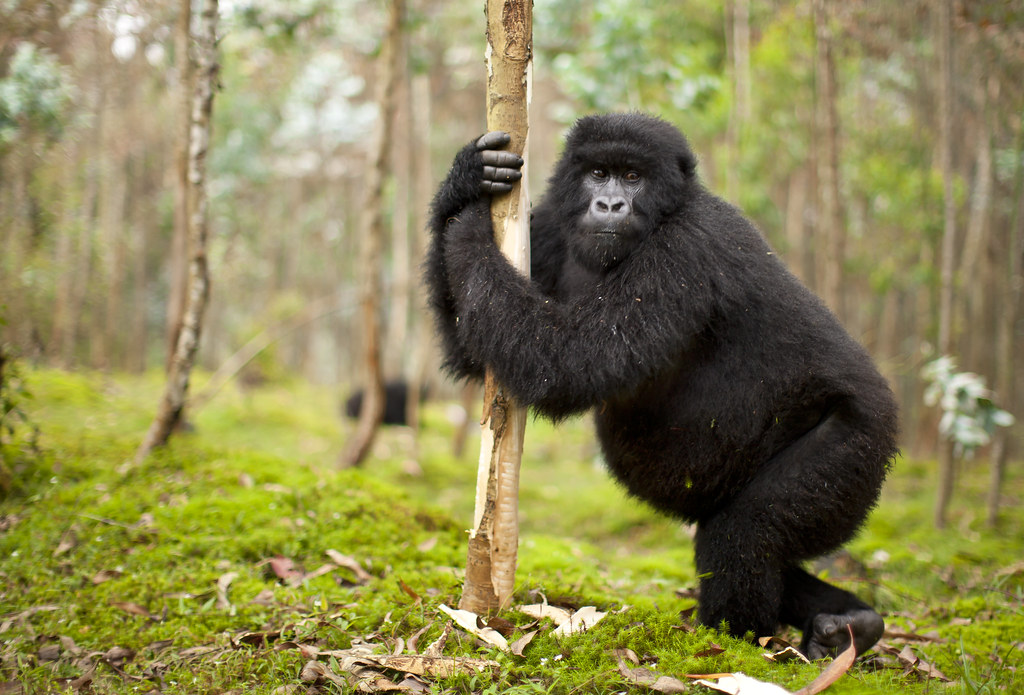
The legacy of Dian Fossey is the survival and study of the mountain gorilla itself: the American primatologist founded the Karisoke Research Center in 1967, transformed scientific understanding of gorillas, fought poaching fiercely, and brought the species to global attention before her murder in 1985. The research institutions she inspired still protect the gorillas today, and visitors can hike to her grave in Volcanoes National Park in northern Rwanda near Musanze along the Virunga Mountains. The gorilla permit costs $1,500 in 2026.
This guide traces Fossey’s life, work, and lasting influence, and how her story connects to the gorilla trekking experience. More than any other individual, she shaped how the world sees mountain gorillas and how they came to be protected.
It is difficult to separate the modern mountain gorilla from the woman who, more than anyone, shaped how the world came to know and protect it. Dian Fossey’s name is attached to a research centre, a global fund, a famous book and film, and a grave that visitors still hike to today, but behind all of that is a single, driven life spent almost entirely among the gorillas. Her story is both inspiring and difficult, and it runs through every aspect of how the species is understood and defended now.
Who Was Dian Fossey?
Dian Fossey was an American primatologist, born in 1932, who devoted her life to mountain gorillas after a trip to Africa changed her path. Encouraged by the famous anthropologist Louis Leakey, she began long-term study of the gorillas in the Virunga Mountains, eventually living among them for nearly two decades.
Her dedication was total and often solitary. She lost herself in the gorillas’ world, learning to approach and observe them as no one had before, and her fierce commitment to their protection defined both her achievements and the conflicts that marked her later years.
Founding Karisoke
In 1967, Fossey established the Karisoke Research Center in the saddle between the Bisoke and Karisimbi volcanoes, a remote camp that became the base for the most detailed long-term study of mountain gorillas ever undertaken. From here she observed family structures, behaviour, and individual personalities over many years.
Karisoke became a centre of gorilla science, training researchers and generating knowledge that shaped conservation worldwide. Though the original camp is now ruins, its founding marked the beginning of continuous gorilla research in the Virungas, a tradition that survives in the institutions Fossey’s work inspired.
The Fight Against Poaching
Fossey is remembered for her uncompromising stance against poaching. The killing of Digit, a young silverback she had known closely, in 1977 devastated her and galvanised an aggressive anti-poaching campaign, including destroying traps and confronting poachers directly.
Her methods were controversial and sometimes put her at odds with authorities and communities, raising hard questions about how conservation should be pursued. But her ferocity also reflected the urgency of the threat, and her campaigns drew attention to poaching that helped build the protection the gorillas later received.
Gorillas in the Mist
Fossey’s book Gorillas in the Mist, published in 1983, brought the gorillas and her work to a global audience, and the 1988 film of the same name reached millions more. Together they made the mountain gorilla a symbol of endangered wildlife and Fossey a household name.
This public attention had real conservation value, generating sympathy, funding, and political will for protection. By telling the gorillas’ story so vividly, Fossey turned a remote scientific subject into a cause that people around the world cared about, an influence that outlived her and still shapes how the gorillas are seen.
Her Death and Its Aftermath
Fossey was murdered at Karisoke in 1985, a crime never fully resolved, and was buried at the camp beside gorillas she had studied, including Digit. Her death shocked the conservation world and cut short a singular career, but it did not end her influence.
If anything, her death cemented her legacy, drawing further attention to the gorillas and the dangers of protecting them. The research and protection she pioneered continued, carried forward by the institutions and people she had inspired, so that her work outlasted her by decades.
The Living Legacy
Today Fossey’s legacy lives in the Dian Fossey Gorilla Fund, which continues daily monitoring, research, and protection of the gorillas, and in the recovery of the population she fought to save. The species’ rise from a few hundred to over a thousand is, in part, her legacy made real.
For visitors, the connection is tangible: the hike to her grave and the Karisoke site links the living gorillas to the woman who studied and defended them. Every well-managed trek today rests on foundations she helped lay, making her perhaps the most important single figure in the gorillas’ survival.
Permit and Visiting Her Legacy
Visitors can honour Fossey’s legacy by trekking the gorillas, on the $1,500 permit, and by hiking to the Karisoke site and her grave for around $75. Both connect the modern experience to the history of gorilla conservation.
$1,500 per person in 2026, funding the protection Fossey’s work began.
Around $75 to the Karisoke ruins and her grave, a moderate walk.
1967, the base for the most detailed gorilla study ever undertaken.
The Dian Fossey Gorilla Fund continues her research and protection today.
The legacy of Dian Fossey is written in the gorillas themselves: a species she helped pull back from the brink, studied as no one had before, and defended at the cost of her life. To trek the gorillas today is to walk through the world she did so much to protect.
Her legacy is also a complicated one, and honest accounts do not smooth over the conflicts that marked her later years or the hard questions her methods raised about how conservation should be done. Yet the central fact is not in doubt: a species that might have vanished is instead recovering, studied and protected by institutions that trace directly back to her work. Few individuals in the history of wildlife conservation can claim so direct a line between their life’s effort and the survival of the animals they loved.
For the traveller, all of this gives the trek a depth beyond the wildlife itself, a sense of stepping into a story that began with one woman’s obsession and continues in the families thriving on the same slopes today.
Who was Dian Fossey?
An American primatologist, born in 1932, who founded the Karisoke Research Center in 1967 and spent nearly two decades studying and protecting mountain gorillas in the Virunga Mountains. She transformed gorilla science and brought the species to global attention before her murder in 1985.
What is Dian Fossey’s legacy?
The survival and study of the mountain gorilla. Her research, anti-poaching work, and the institutions she inspired, including the Dian Fossey Gorilla Fund, underpin the protection that helped the population recover from a few hundred to over a thousand.
How did Dian Fossey die?
She was murdered at her Karisoke research camp in 1985, a crime never fully resolved. She is buried at the camp beside gorillas she had studied, including Digit, whose killing in 1977 had intensified her anti-poaching campaign.
What is Gorillas in the Mist?
Fossey’s 1983 book about her life and work with the gorillas, later made into a 1988 film. Together they brought the mountain gorilla to a global audience and made it a symbol of endangered wildlife, generating sympathy and support for protection.
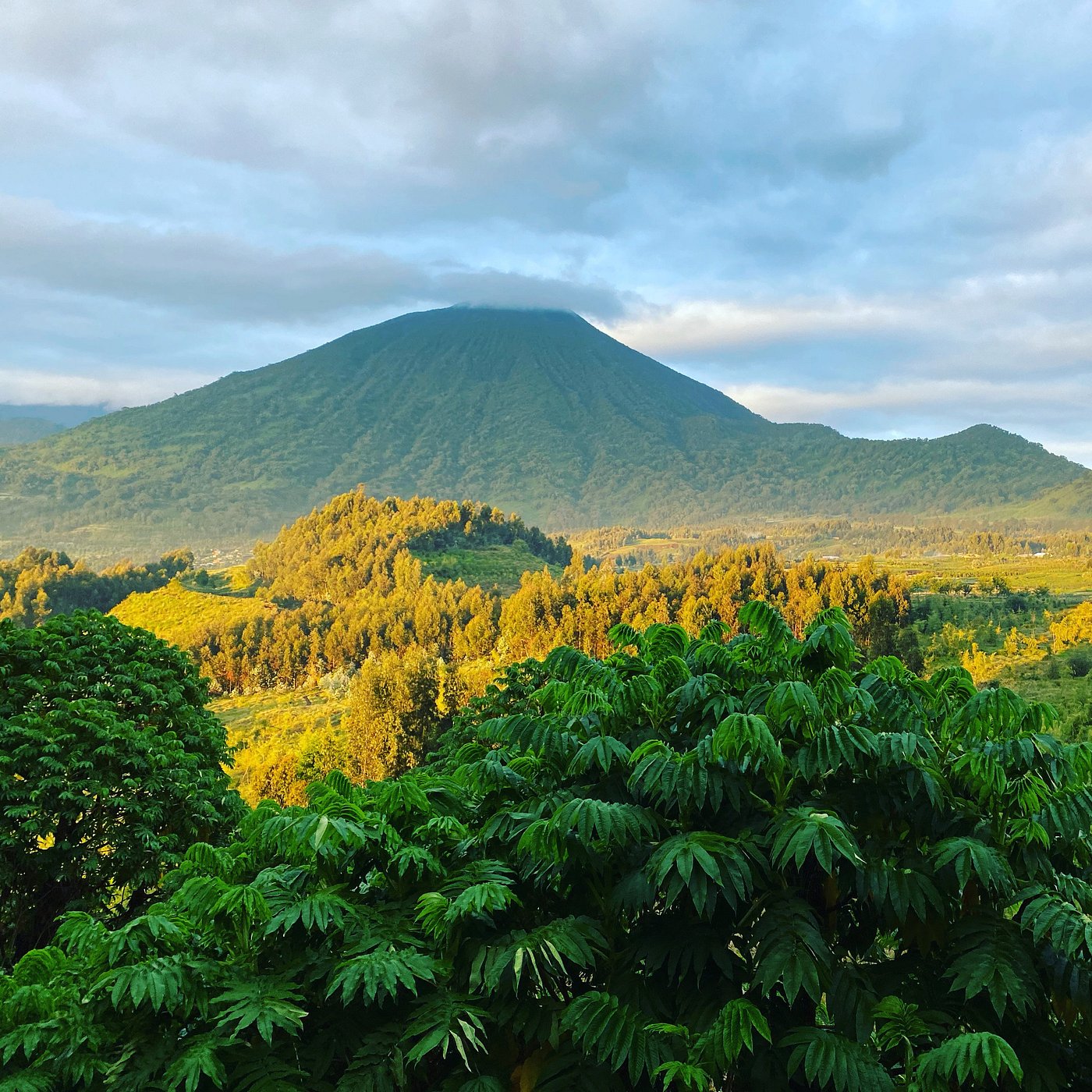
Can I visit Dian Fossey’s grave?
Yes. A moderate half-day hike in Volcanoes National Park, costing around $75, leads to the Karisoke ruins and her grave, where she is buried beside gorillas she studied. It pairs naturally with a gorilla trek for those drawn to the conservation story.