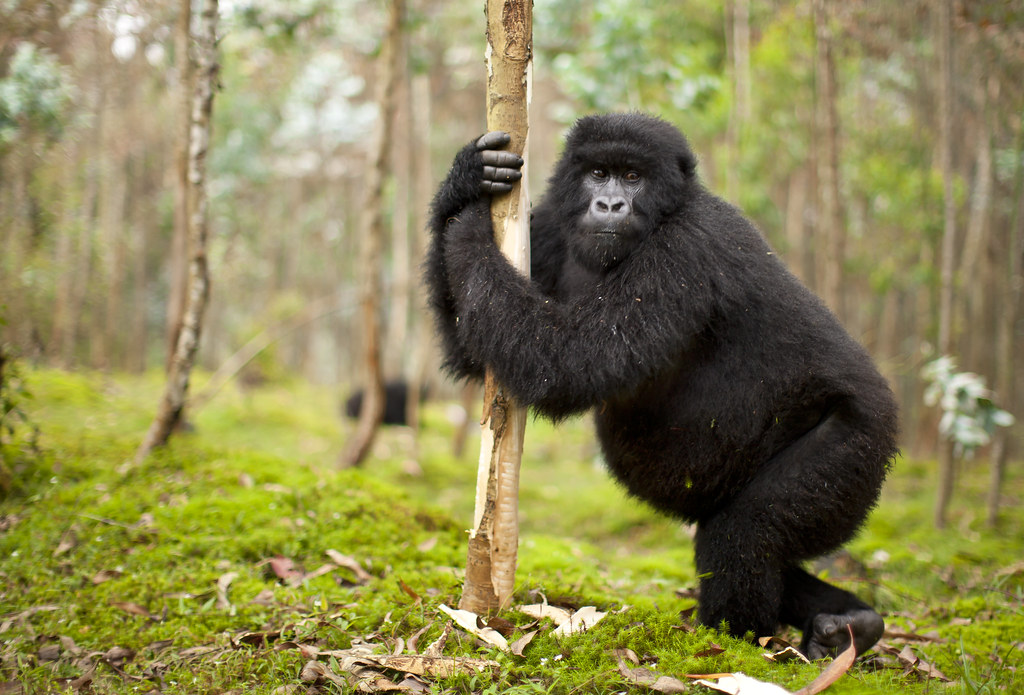
The gorilla population recovery in Rwanda is one of conservation‘s clearest success stories: mountain gorilla numbers rose from a low of around 250 in the Virunga massif in the early 1980s to over a thousand across their whole range today, prompting a 2018 reclassification from Critically Endangered to Endangered. Tourism funded by the $1,500 permit has been central to this turnaround. The gorillas live in Volcanoes National Park in northern Rwanda near Musanze along the Virunga Mountains, part of the only wild mountain gorilla population on Earth.
This guide charts the recovery, explains what drove it, and looks at where the population stands now. The numbers tell a story almost unique among endangered great apes, of a species pulled back from the edge by sustained, funded effort.
Few endangered species have a recovery worth charting, which is what makes the mountain gorilla‘s story so unusual and so closely studied. The numbers below are not estimates pulled from hope but the results of repeated, careful censuses, and read in sequence they describe one of the clearest upward trends in modern conservation. To appreciate how far the gorillas have come, it helps to start at the moment when their survival was genuinely in doubt.
The Low Point
In the early 1980s, mountain gorillas were on the brink. The Virunga massif population had fallen to around 250 animals, devastated by poaching, habitat loss, and the pressures of a region under strain. Researchers feared the species could disappear within decades if the decline continued.
This was the situation Dian Fossey and others confronted: a tiny, shrinking population with little protection and many threats. The low point is the baseline against which the recovery is measured, and it makes the later growth all the more striking, since the species came genuinely close to being lost.
The Turning Point
The recovery began as protection intensified. Anti-poaching patrols, daily monitoring, veterinary care, and the establishment of strictly managed tourism gradually reduced the threats and stabilised the families. Each measure built on the others, and over years the decline reversed into slow, steady growth.
Tourism was a key part of this, supplying funding and a powerful economic argument for protection. As permits generated reliable revenue and communities began to benefit, the incentives shifted from exploitation toward conservation, and the population responded. The turning point was not a single event but the cumulative effect of sustained, funded effort.
The Numbers Climb
Census data tracks the rise. From the low of around 250, the Virunga population and the wider range grew steadily, with range-wide counts reaching 786 by 2010, 880 by 2012, and 1,004 by the 2018 census, the first time the total passed a thousand. The latest estimates put the figure at roughly 1,063.
These counts come from careful, coordinated censuses across the gorillas’ range, which spans Rwanda, Uganda, and the Democratic Republic of Congo. The consistency of the upward trend, across multiple counts and decades, is what gives confidence that this is a real recovery rather than a statistical blip.
Reclassified from Critically Endangered
The clearest official recognition of the recovery came in 2018, when the mountain gorilla was reclassified from Critically Endangered to Endangered on the IUCN Red List. While still threatened, the species had recovered enough to move down a category, a rare and encouraging step.
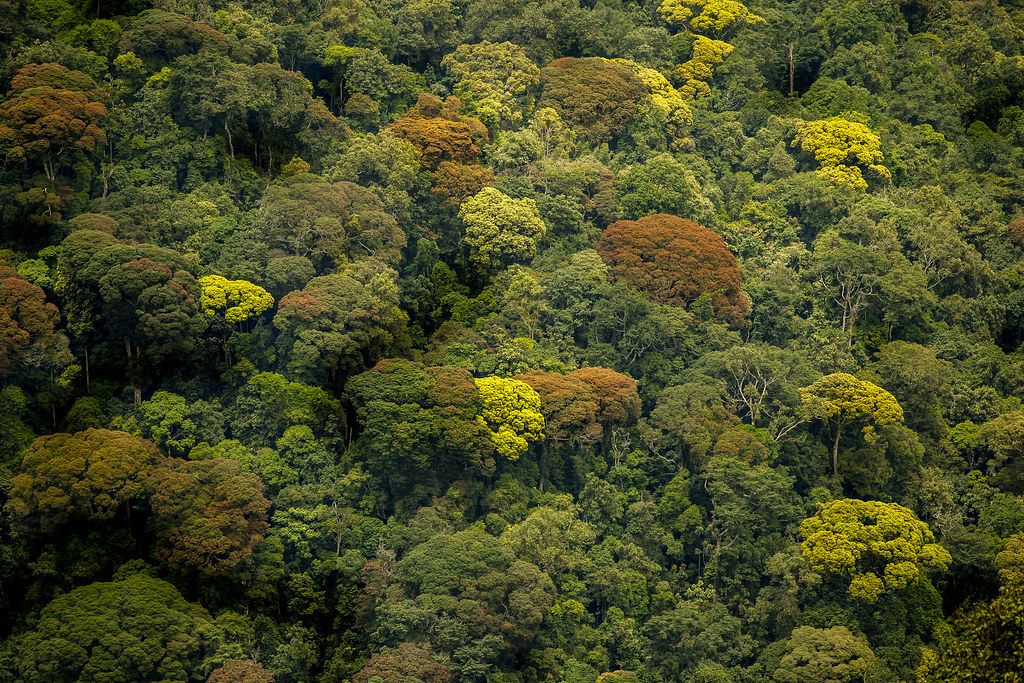
This reclassification matters symbolically and practically. It validates decades of work and signals that the conservation model is succeeding, while the remaining Endangered status is a reminder that the population is still small and the gains must be defended. It is progress, not a finish line.
Where the Population Stands Now
Today the range-wide population sits at over a thousand, split between two areas: the Virunga massif, shared by Rwanda, Uganda, and the DRC, with around 600, and the Bwindi-Sarambwe area in Uganda with around 460. Volcanoes National Park itself holds a few hundred of the Virunga total.
The growth continues, but the population remains small and concentrated, which keeps it vulnerable to disease, habitat limits, and regional instability. The recovery has bought the species time and space, yet its future still depends on maintaining the protection and funding that turned the decline around.
How the Numbers Are Counted
The confidence in these figures rests on how carefully they are gathered. Mountain gorillas are counted through coordinated censuses that sweep the forest, with teams recording nest sites, hair and dung samples, and direct observations to build an accurate total without double-counting. Genetic analysis of samples helps distinguish individuals and confirm the count.
Because the whole range is small and the gorillas are intensively monitored, these censuses are unusually thorough for a wild great ape. Repeated every few years across Rwanda, Uganda, and the Democratic Republic of Congo, they produce the consistent data behind the recovery story, which is why the upward trend is trusted rather than merely hoped for.
Permit and the Recovery
The link between the permit and the recovery is direct: tourism revenue funds the protection that has driven the numbers up. Each $1,500 permit is part of the machinery that turned a few hundred animals into over a thousand.
Around 250 in the Virunga massif in the early 1980s, near the brink.
786 by 2010, 880 by 2012, 1,004 by 2018, roughly 1,063 in the latest count.
Reclassified from Critically Endangered to Endangered in 2018.
The $1,500 permit underwrites the protection behind the recovery.
The gorilla population recovery in Rwanda stands as proof that sustained, funded conservation can reverse even a steep decline. The numbers are still small and the work is unfinished, but the trajectory, from 250 to over a thousand, is among the most hopeful stories in modern wildlife conservation.
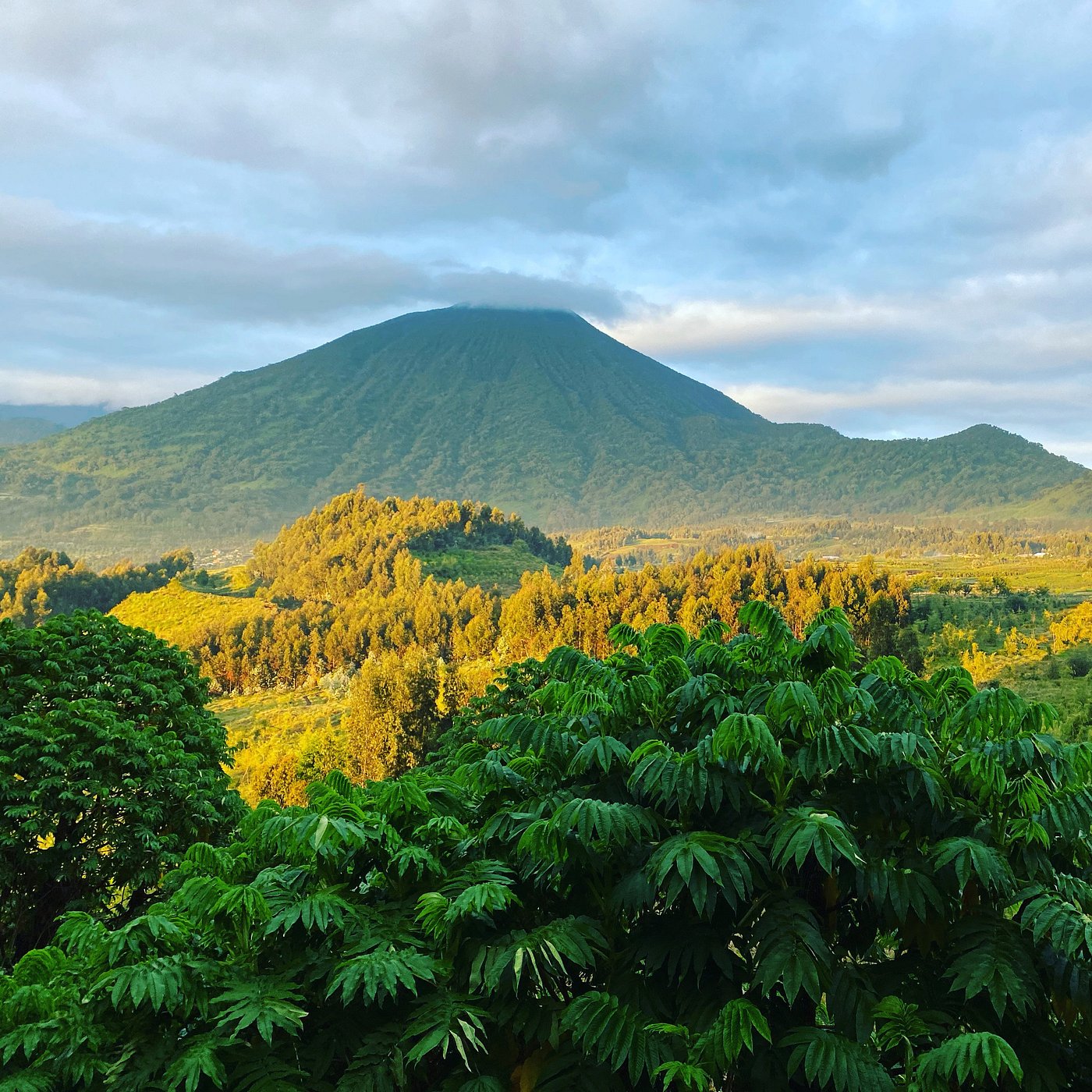
It is worth pausing on how rare this trajectory is. Most endangered great apes are in decline, their numbers falling as habitat shrinks and pressures mount, which makes a sustained increase genuinely exceptional. The mountain gorilla is, in fact, the only great ape whose numbers are known to be rising, a distinction that places Rwanda’s effort among the most successful species-recovery programmes anywhere. That context is what turns a set of climbing figures into a story worth telling, and worth protecting against any complacency the good news might invite.
For visitors, that rarity is part of what makes a trek meaningful: you are not just watching wildlife but standing inside one of conservation’s few genuine comeback stories, among animals whose very presence is the result of decades of work that could so easily have failed. The recovery is something to witness and, by visiting responsibly, to help carry forward, since the trend only continues for as long as the protection behind it is sustained.
How many mountain gorillas are there now?
Over a thousand range-wide, with the latest estimates around 1,063. They split between the Virunga massif shared by Rwanda, Uganda, and the DRC, with around 600, and Uganda’s Bwindi-Sarambwe area with around 460. Volcanoes National Park holds a few hundred of the Virunga total.
How low did the gorilla population fall?
The Virunga massif population fell to around 250 animals in the early 1980s, devastated by poaching and habitat loss. Researchers feared the species could disappear within decades, which makes the later recovery to over a thousand all the more striking.
When were mountain gorillas reclassified?
In 2018, the IUCN reclassified the mountain gorilla from Critically Endangered to Endangered, recognising the population recovery. The species is still threatened, but had recovered enough to move down a category, a rare and encouraging step.
What caused the population to recover?
Sustained protection: anti-poaching patrols, daily monitoring, veterinary care, and strictly managed tourism. Tourism supplied funding and an economic argument for protection, while the community revenue share gave local people a stake in the gorillas’ survival.
Is the gorilla population still growing?
Yes, the trend continues upward, but the population remains small and concentrated, leaving it vulnerable to disease, habitat limits, and regional instability. The recovery has bought time and space, but its future depends on maintaining protection and funding.
Explore our gorilla trekking for a private, tailor-made trip.