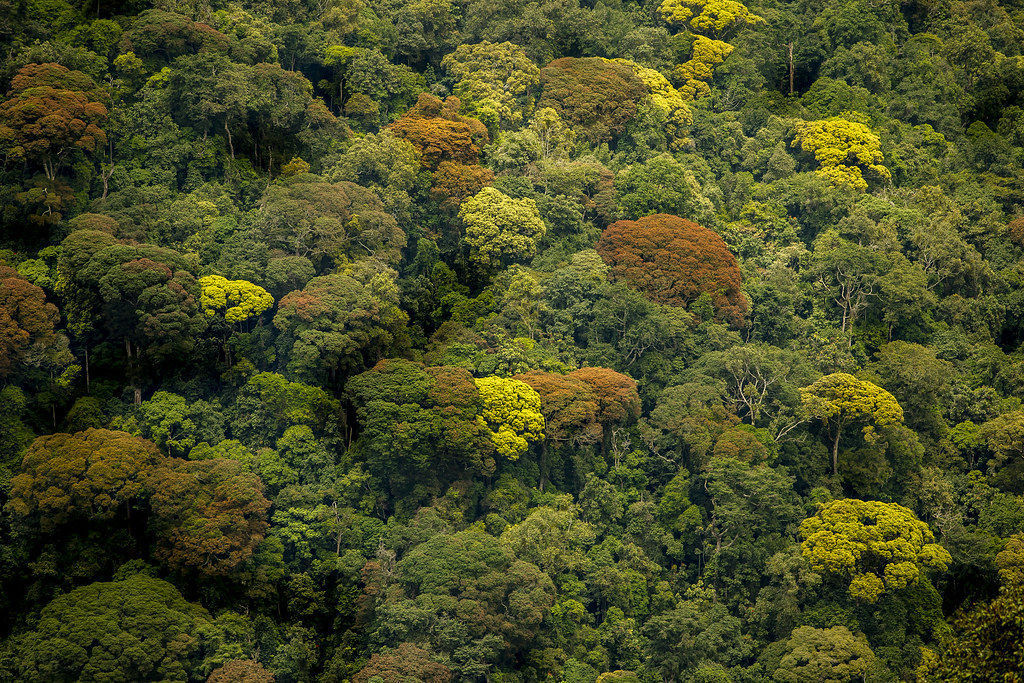
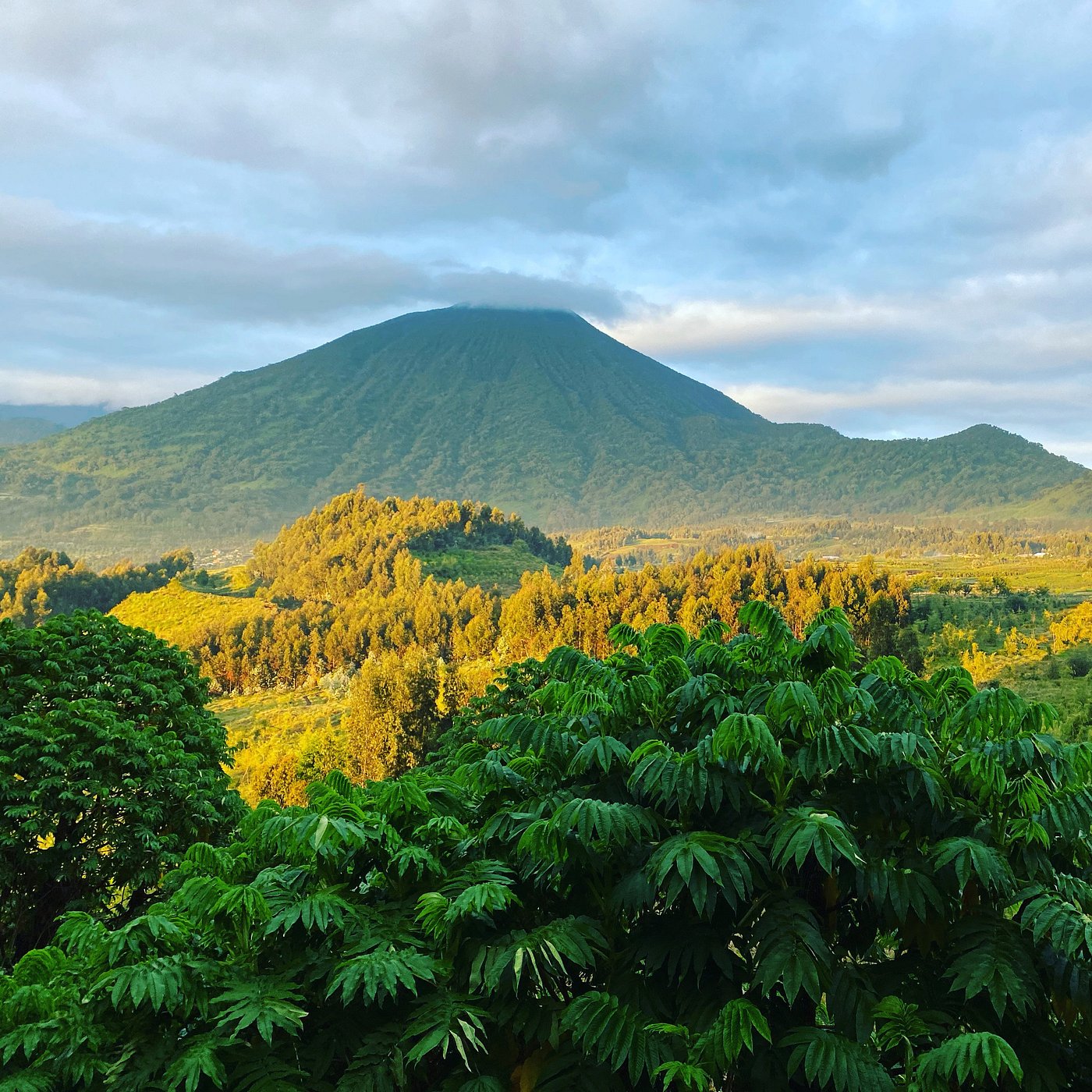
Local communities are central to gorilla conservation in Rwanda: through a revenue-sharing scheme that directs around 10 percent of park income to surrounding villages, jobs created by tourism, and projects that turned former poachers into protectors, people who live beside the park now have a direct stake in the gorillas’ survival. This community buy-in, funded partly by the $1,500 permit, is one reason the population has recovered. The gorillas live in Volcanoes National Park in northern Rwanda near Musanze along the Virunga Mountains.
This guide explains why communities matter, how the revenue-sharing model works, and what it has changed. The lesson at its heart is that conservation succeeds when local people benefit from protecting wildlife, not when they are excluded from it.
It is tempting to imagine that protecting gorillas is mainly about rangers, fences, and rules, but the deeper story is about people, specifically the tens of thousands who live in the farms and villages pressed right up against the park. Whether those neighbours see the gorillas as a threat to their land or as a shared source of benefit has done more to determine the species’ fate than almost any other factor. Rwanda’s answer to that question is what sets its conservation model apart.
Why Communities Are Central
Conservation cannot succeed against the wishes of the people who live beside a protected area. Communities around Volcanoes National Park share the landscape with the gorillas, and historically they bore the costs of living next to wildlife, from crop raiding to lost access to forest resources, while seeing little benefit.
If that imbalance persists, protection becomes a constant struggle against poaching and encroachment. Rwanda’s model recognises this by ensuring communities gain from the gorillas, transforming them from reluctant neighbours into active partners. This shift in incentives is the foundation on which the rest of the conservation effort rests.
The Revenue-Sharing Scheme
Rwanda’s revenue-sharing scheme directs around 10 percent of park revenue to communities around its national parks, among the most generous such arrangements in Africa. The money funds tangible local projects: schools, health clinics, clean water, and other infrastructure that improves daily life.
Importantly, this links community wellbeing directly to the gorillas’ success, since more visitors mean more revenue to share. People can see that protecting the park brings schools and clinics to their villages, which makes conservation a shared interest rather than an imposition, and gives the scheme its power.
Jobs and Livelihoods
Beyond the formal scheme, tourism creates direct employment. Porters, guides, drivers, lodge staff, cooks, and craftspeople all earn from visitors, and these jobs spread income through the communities around the park and into Musanze, the nearby town transformed by tourism.
These livelihoods give families a stable income tied to the park’s success, an alternative to subsistence farming or the temptation of poaching. When a steady tourism job pays more reliably than exploiting the forest, the economic logic shifts decisively toward protection, benefiting both people and gorillas.
From Poachers to Protectors
One of the most striking outcomes is the transformation of former poachers. Community projects and tourism work have given people who once hunted in the forest a legitimate, better livelihood, and many now work as porters, guides, or in cultural ventures, becoming advocates for the gorillas.
Projects that bring former poachers into tourism, including community cultural villages, make this shift visible and durable. By replacing the income poaching once provided with something better and legal, these efforts remove much of the pressure that threatened the gorillas, turning potential adversaries into allies.
Community Cultural Tourism
Cultural tourism deepens the community role. Village experiences offering dance, music, and crafts let visitors engage with local life while channelling income directly to residents, and many are run by community groups so the benefit stays local.
These ventures matter because they broaden the economic base beyond the gorillas alone and give communities ownership of their own tourism offering. They also build pride and connection, as communities present their culture to the world, reinforcing the sense that the park and its visitors are a shared asset worth protecting.
A Model for Conservation Elsewhere
Rwanda’s community-centred approach has become a model studied worldwide. The combination of revenue sharing, local employment, and former-poacher reintegration shows how conservation can succeed by aligning human and wildlife interests rather than setting them against each other.
The gorilla recovery is the proof: a population pulled back from the brink in a densely populated region, sustained in large part by community buy-in. For conservationists elsewhere facing the same tension between people and protected wildlife, the Rwandan model offers a tested example of what can work.
Permit and the Community Link
The permit is what funds the community benefit, with revenue sharing drawn from park income that permits generate. Each $1,500 fee helps support the schools, clinics, and jobs that give communities a stake in the gorillas.
$1,500 per person in 2026, the revenue behind community sharing.
Around 10 percent of park income to local schools, clinics, and water projects.
Porters, guides, lodge staff, and craftspeople earning from tourism.
Reintegrated through community projects and tourism work.
The role of local communities in gorilla conservation is not a side note but the centre of the story. By ensuring that the people who live beside the gorillas benefit from protecting them, Rwanda has built a model where conservation and community prosperity rise together, and the recovering population is the shared reward.
There is a broader lesson in this for how people think about protecting wildlife everywhere. For much of the last century, conservation often meant fencing nature off from the people who lived alongside it, an approach that bred resentment as often as results. Rwanda’s experience points the other way, suggesting that lasting protection comes from making local people beneficiaries and partners rather than excluded bystanders. The recovering gorilla population is the evidence, and it is why this community-centred approach is increasingly seen as a template rather than an exception.
For visitors, the practical takeaway is that the choices made during a trip, which experiences to book and where to spend, feed directly into this system, so that even a short visit can strengthen the community stake that keeps the gorillas safe. The model works best when travellers understand themselves as part of it.

In that sense, every traveller who books a community walk or buys a basket from a cooperative is casting a small vote for the approach that has kept the gorillas alive.
What role do local communities play in gorilla conservation?
A central one. Through a revenue-sharing scheme directing around 10 percent of park income to villages, jobs created by tourism, and projects reintegrating former poachers, communities beside the park gain a direct stake in the gorillas’ survival, which has helped the population recover.
How does Rwanda’s revenue-sharing scheme work?
Around 10 percent of park revenue is directed to communities around the national parks, among the most generous such schemes in Africa. It funds schools, clinics, water, and infrastructure, linking community wellbeing directly to the gorillas’ success.
How does tourism create local jobs?
Porters, guides, drivers, lodge staff, cooks, and craftspeople all earn from visitors, spreading income through communities around the park and into Musanze. These livelihoods give families a stable income tied to the park’s success rather than to poaching or subsistence farming.
How were former poachers turned into protectors?
Community projects and tourism work gave people who once hunted in the forest a legitimate, better livelihood. Many now work as porters, guides, or in cultural ventures, becoming advocates for the gorillas and removing much of the pressure that threatened them.
Why is Rwanda’s community model important?
It shows conservation can succeed by aligning human and wildlife interests rather than opposing them. The gorilla recovery in a densely populated region, sustained largely by community buy-in, has made the model one studied by conservationists worldwide.
Ready to go? Start planning your trip with our gorilla trekking.