You do not need to be an athlete for gorilla trekking in Rwanda, but a moderate level of fitness helps, since the hike can involve steep, muddy ground at altitude for anywhere from one to seven hours. Treks vary widely by family, and guides match easier groups to less mobile visitors, so people of a broad range of ages and abilities complete it. The permit is $1,500 in 2026. Volcanoes National Park lies in northern Rwanda near Musanze along the Virunga Mountains.
This guide explains what the trek physically asks of you, how difficulty varies between families, how to prepare in the months before, and the options that make it achievable even if you are not especially fit. The honest summary is that willingness and preparation matter as much as raw fitness.
What the Trek Physically Demands
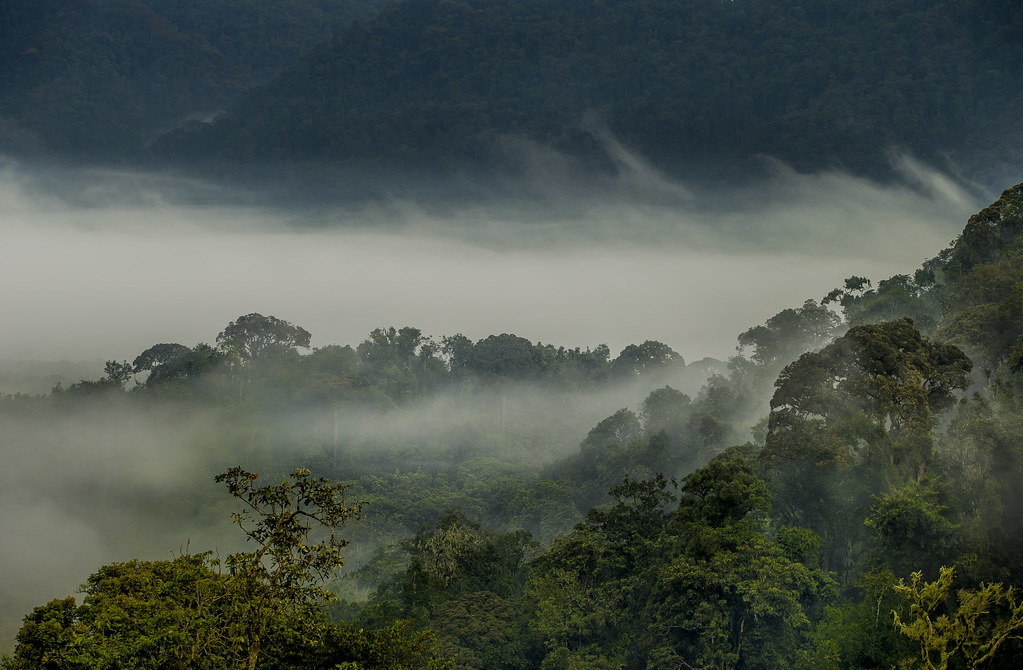
A gorilla trek is a hike through high-altitude rainforest, and the demands come from three things: altitude, terrain, and time. The park sits well above 2,000 metres, the ground is steep and often muddy, and the walk to reach a family can take anywhere from one hour to most of a day, each way, depending on where the gorillas have moved.
None of this requires special skill, but it does ask for stamina and steady footing. Visitors who can manage a few hours of walking on uneven ground, with rests as needed, are generally fine. The thin air is the factor people underestimate most, since it makes a moderate climb feel harder than the same effort at sea level. There is also a short scramble through dense vegetation at the end of many treks, once the trackers locate the family, where the going slows to a careful push through nettles and undergrowth rather than a walk on a clear path.
How Difficulty Varies by Family
The single biggest variable is which family you are assigned. Low-ranging groups such as Sabyinyo sit close to the park boundary and can be reached in around an hour, while high-altitude families such as Susa and Karisimbi range up the tallest volcanoes and can mean the better part of a full day’s climb.
This range is good news, because it means there is a trek to suit most fitness levels. Guides assign easier families to older or less mobile visitors and the harder climbs to those who ask for a challenge, so your fitness shapes which family you are placed with rather than whether you can trek at all.
How to Prepare in the Months Before
If you have a few weeks or months before your trek, simple cardio and walking make the biggest difference. Regular walks that build to a couple of hours, ideally on hills or uneven ground, train the exact muscles and stamina the trek uses. Stair climbing is a good substitute if you do not have hills nearby.
There is no need for a gym programme or anything extreme. The goal is to be comfortable walking for several hours and climbing steady slopes without exhaustion. Building this gradually in the weeks before your trip, rather than cramming, leaves you fresher and reduces the risk of strains on the day.
Dealing with Altitude
The altitude is the factor most visitors underestimate. The park’s elevation means less oxygen, so even moderately fit people can feel breathless on the climbs. The fix is simple: go slowly, pace yourself, and rest when you need to, since there is no prize for speed and the guides set a manageable pace.
Arriving a day or two early to spend time at altitude before the trek can help your body adjust, and staying well hydrated makes a noticeable difference. If you have a heart or lung condition, mention it to your operator and consider seeing a doctor before the trip, since the combination of altitude and exertion is the main medical consideration.
Options That Make the Trek Achievable
Two options open the trek to almost anyone. The first is hiring a porter, who carries your daypack, offers a steadying hand on slippery or steep sections, and quite literally helps pull you up the harder stretches. At around $15 to $20, a porter is the best value decision on the whole trip and supports local income.
The second is the sedan chair, a carried stretcher that teams of porters can use to take visitors who cannot manage the hike to the gorillas and back for an additional fee. Between requesting an easier family, hiring a porter, and the chair as a last resort, the trek is open to a far wider range of people than its reputation suggests.

Age and Health Considerations
The minimum age for gorilla trekking is 15 years, and there is no upper age limit, so fit visitors in their seventies and beyond complete it regularly. What matters is mobility and stamina rather than age itself, and many older trekkers do well by requesting an easier family and taking a porter.
If you are recovering from injury, pregnant, or managing a health condition, discuss it with your operator and your doctor before booking. The park also has health rules that keep visibly ill visitors from trekking, to protect the gorillas, so being honest about your condition helps everyone, including the animals.
Permit Cost and Preparing to Make It Count
Given that the permit costs $1,500 per person in 2026, a little preparation protects a significant investment. Arriving fit enough to enjoy rather than endure the climb is the best way to make the most of a once-planned trek.
$1,500 per person in 2026, the main cost, which a few weeks of walking preparation helps you fully enjoy.
Around $15 to $20, the single best-value way to make a hard trek manageable and to support local jobs.
An additional fee for a carried stretcher, available for visitors who cannot manage the hike.
No extra cost: request a low-ranging group such as Sabyinyo at the briefing for a shorter, gentler climb.
The combination of modest preparation and the support options on the day means fitness is rarely the thing that stops someone trekking. Willingness, honesty about your limits, and a sensible choice of family matter more.
Do I need to be very fit for gorilla trekking?
No, but a moderate level of fitness helps. The trek can involve steep, muddy ground at altitude for one to seven hours, so being comfortable walking for a few hours on uneven ground is the main requirement. Guides match easier families to less mobile visitors.
How should I prepare for a gorilla trek?
Regular walks building to a couple of hours, ideally on hills or stairs, are the most effective preparation. Build it gradually over the weeks before your trip, and focus on stamina and steady climbing rather than any intense gym programme.
Is altitude a problem on a gorilla trek?
It can be, since the park sits well above 2,000 metres and the thinner air makes climbs feel harder. Going slowly, resting as needed, staying hydrated, and arriving a day or two early to adjust all help. Mention any heart or lung condition to your operator and doctor.
What if I cannot manage the hike?
You can request an easier family, hire a porter to carry your pack and steady you, or use a sedan chair, a carried stretcher available for an additional fee. Between these options, the trek is achievable for a far wider range of people than expected.
Is there an age limit for gorilla trekking?
The minimum age is 15, and there is no upper age limit. Fit visitors in their seventies and beyond trek regularly. What matters is mobility and stamina rather than age, and an easier family plus a porter helps older trekkers a great deal.