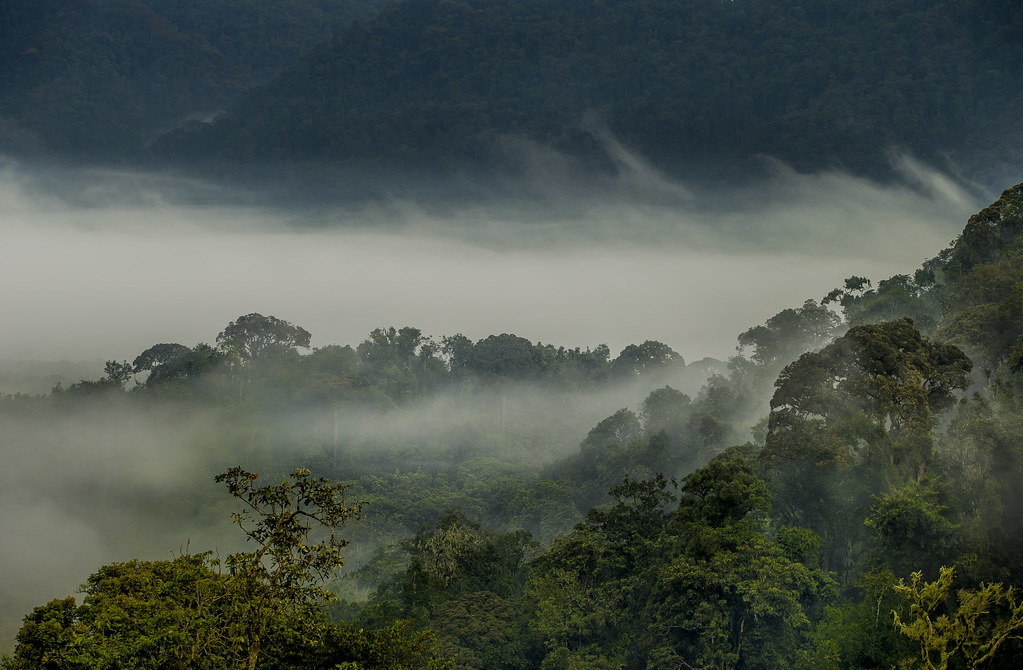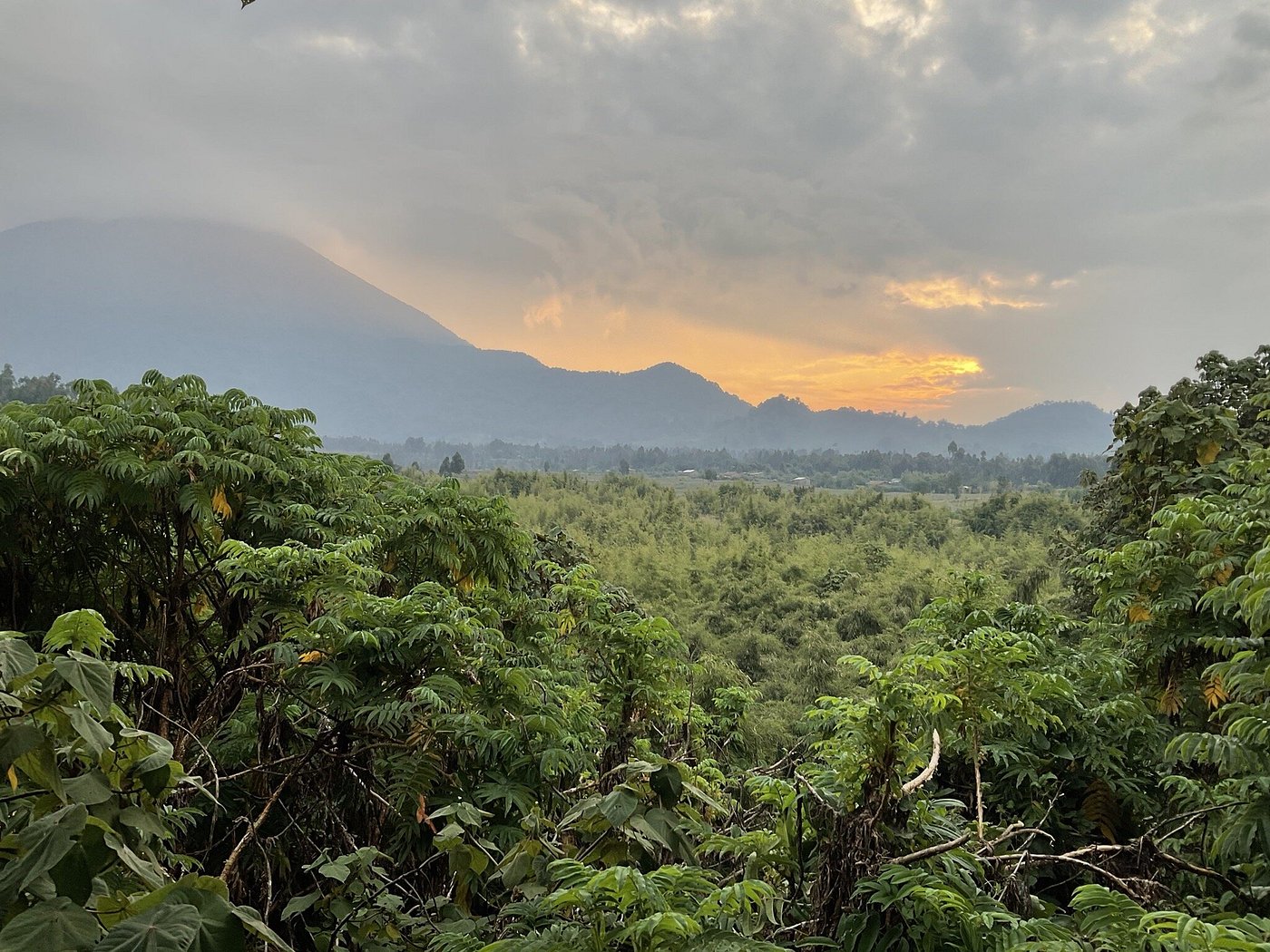
You need a minimum of three days for gorilla trekking in Rwanda: one to travel to Volcanoes National Park, one for the trek itself, and one to return. Four to five days is more comfortable and allows a second activity or a buffer day, while a week lets you add other parks. The trek uses a $1,500 permit in 2026. Volcanoes National Park lies in northern Rwanda near Musanze, about a two to three hour drive from Kigali along the Virunga Mountains.
This guide breaks down what each trip length gives you, from a tight three-day dash to a full week-long safari, so you can match the number of days to your budget, your interests, and how far you are travelling to reach Rwanda. The right length depends on whether the gorillas are the whole trip or the centrepiece of a longer one.
The Minimum: Three Days for a Single Trek
The shortest workable trip is three days. You arrive in Kigali and transfer the two to three hours up to the park area on day one, trek on the morning of day two, and travel back to Kigali for your departure on day three. This covers a single gorilla trek with no margin for error.
It suits visitors short on time or adding the gorillas to a wider regional trip, but it leaves no buffer if a flight is delayed or you simply want to rest after a demanding climb. For a once-in-a-lifetime trip flown in from far away, three days can feel rushed.
The Comfortable Choice: Four to Five Days
Adding a day or two transforms the trip. Four to five days gives you a buffer around the trek and room for a second activity near the park, such as golden monkey tracking, the Dian Fossey hike to the old Karisoke site, a visit to the Iby’Iwacu cultural village, or the twin lakes of Burera and Ruhondo.
This length also allows a second gorilla trek on a different day with a different family, which many visitors find worth the additional permit. For most travellers coming specifically for the gorillas, four to five days is the sweet spot between cost and a relaxed pace.
The Full Safari: A Week or More
With seven days or more, the gorillas become the centrepiece of a broader Rwanda trip rather than the whole of it. A week comfortably pairs Volcanoes National Park with another destination, such as chimpanzee tracking in Nyungwe National Park in the southwest or wildlife and a boat safari in Akagera National Park in the east.
This length has a financial upside too. Because the low-season permit discount requires a two-night stay in Akagera or Nyungwe, a week-long itinerary that already includes one of those parks can unlock the cheaper $1,050 permit during the wetter months. A longer trip also absorbs travel time far more gracefully.
Why the Kigali Drive Shapes Your Days
The two to three hour drive from Kigali to the park, around 116 kilometres on paved roads to Musanze and the Kinigi headquarters, is the main reason three days is the floor rather than two. The briefing starts around 7 in the morning, which makes a same-day drive from Kigali to trek impractical, so a night near the park beforehand is effectively required.
Some visitors fly into Kigali, sleep near the park, trek, and leave the following day, but building in the drive each way is what pushes the realistic minimum to three days. Factoring the transfer into your plan from the start avoids a punishing schedule.
Should You Do More Than One Trek?
A second trek on a different day means a second full-price permit, but many visitors find it worthwhile. A different family on different terrain gives a distinct experience, and a second hour with the gorillas often feels more relaxed once you know what to expect. It also hedges against a first trek cut short by weather or a difficult sighting.
Two treks fit naturally into a four to five day trip and comfortably into a week. Whether the extra permit is worth it depends on your budget and how much the gorillas are the reason for your visit, but few who do a second trek regret it.
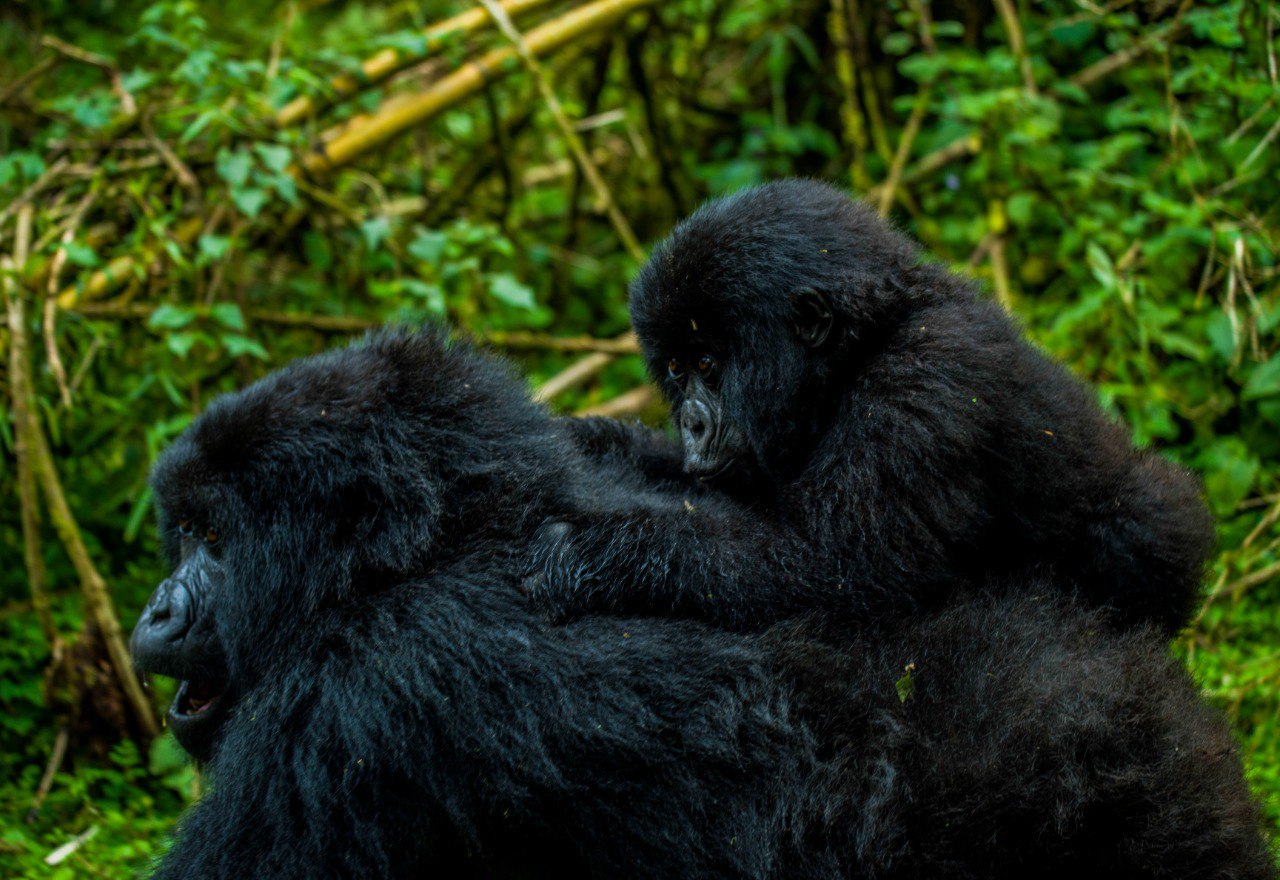
Permit and Cost Considerations by Trip Length
Each trek requires its own permit at $1,500 per person in 2026, so the number of treks, not the number of days, drives the permit cost. A longer trip adds lodging and activity costs but not extra permit fees unless you trek again.
$1,500 per person for a single permit, the core cost regardless of whether your trip is three days or seven.
$3,000 per person, since each trek needs its own full-price permit on a separate day.
A week-long trip including two nights in Akagera or Nyungwe can qualify for the $1,050 permit from November to May.
Lodging, transport, and activities scale with trip length, separate from the fixed permit fee.
The takeaway is that days add comfort and breadth while permits add gorilla time. Decide how many treks you want first, then build the number of days around that and your other interests.
How to Decide on Your Trip Length
Start with one question: are the gorillas the entire trip, or the highlight of a longer one? If they are the whole reason you are coming and time is tight, three to four days does the job. If you want a relaxed pace, a second activity, or insurance against travel hiccups, give yourself five.
If you are flying a long way and want the trip to justify the journey, a week lets you combine the gorillas with chimpanzees or wildlife and often unlocks the permit discount in the low season. Match the days to your ambition and your budget, and build the drive from Kigali into the plan from the outset. A common mistake is to count only the trek day and forget that the transfers at each end quietly consume two more, so plan around the full door-to-door time rather than the single morning in the forest.
Whatever length you settle on, lock the permit and the trekking day before anything else. The number of days is flexible right up to booking, but the permit for a specific date is the fixed point the rest of the itinerary has to fit around, especially in the busy dry season.
What is the minimum number of days for gorilla trekking in Rwanda?
Three days is the realistic minimum: one to travel from Kigali to the park, one for the trek, and one to return. The two to three hour drive and the early morning briefing make a two-day trip impractical.
How many days is ideal for a gorilla trip?
Four to five days is the comfortable choice for most gorilla-focused visitors. It adds a buffer around the trek and room for a second activity or even a second trek, without the cost of a full week.
Can you do gorilla trekking in one day from Kigali?
It is not practical. The briefing starts around 7 in the morning and the drive from Kigali takes two to three hours, so visitors need to stay near the park the night before. The trek itself happens within a single day, but the trip around it needs at least three.
Is it worth doing two gorilla treks?
Many visitors find it worthwhile. A second trek means a second full-price permit but gives a different family and terrain, a more relaxed second hour, and insurance against a first trek cut short. Two treks fit well into a four to five day or week-long trip.
How many days do you need to add another park?
A week comfortably pairs the gorillas with chimpanzee tracking in Nyungwe or wildlife in Akagera. Including two nights in one of those parks can also unlock the $1,050 low-season permit during the wetter months.