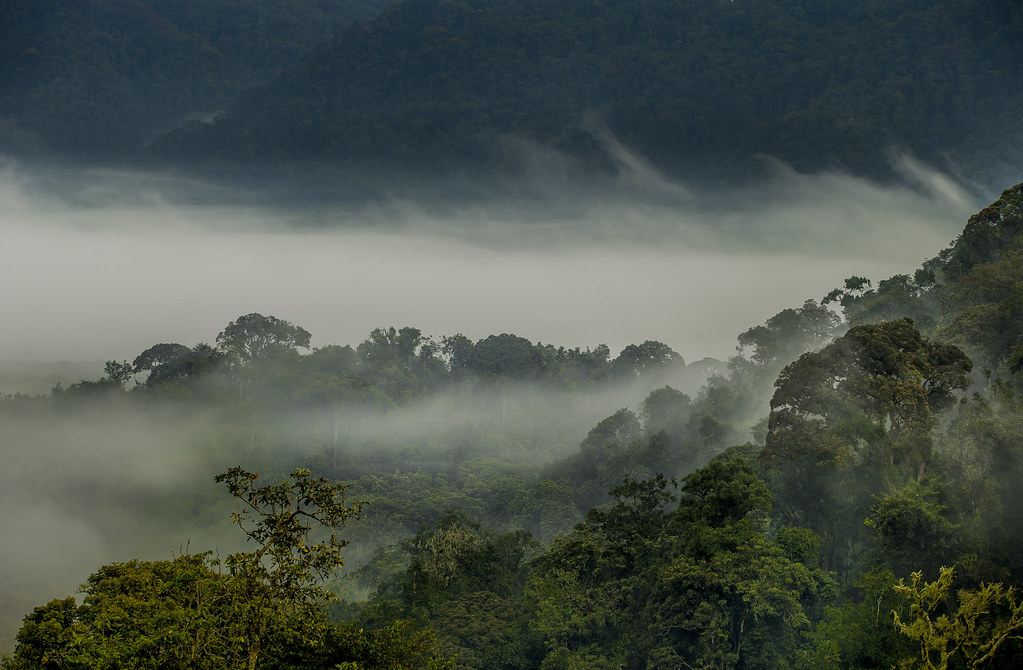
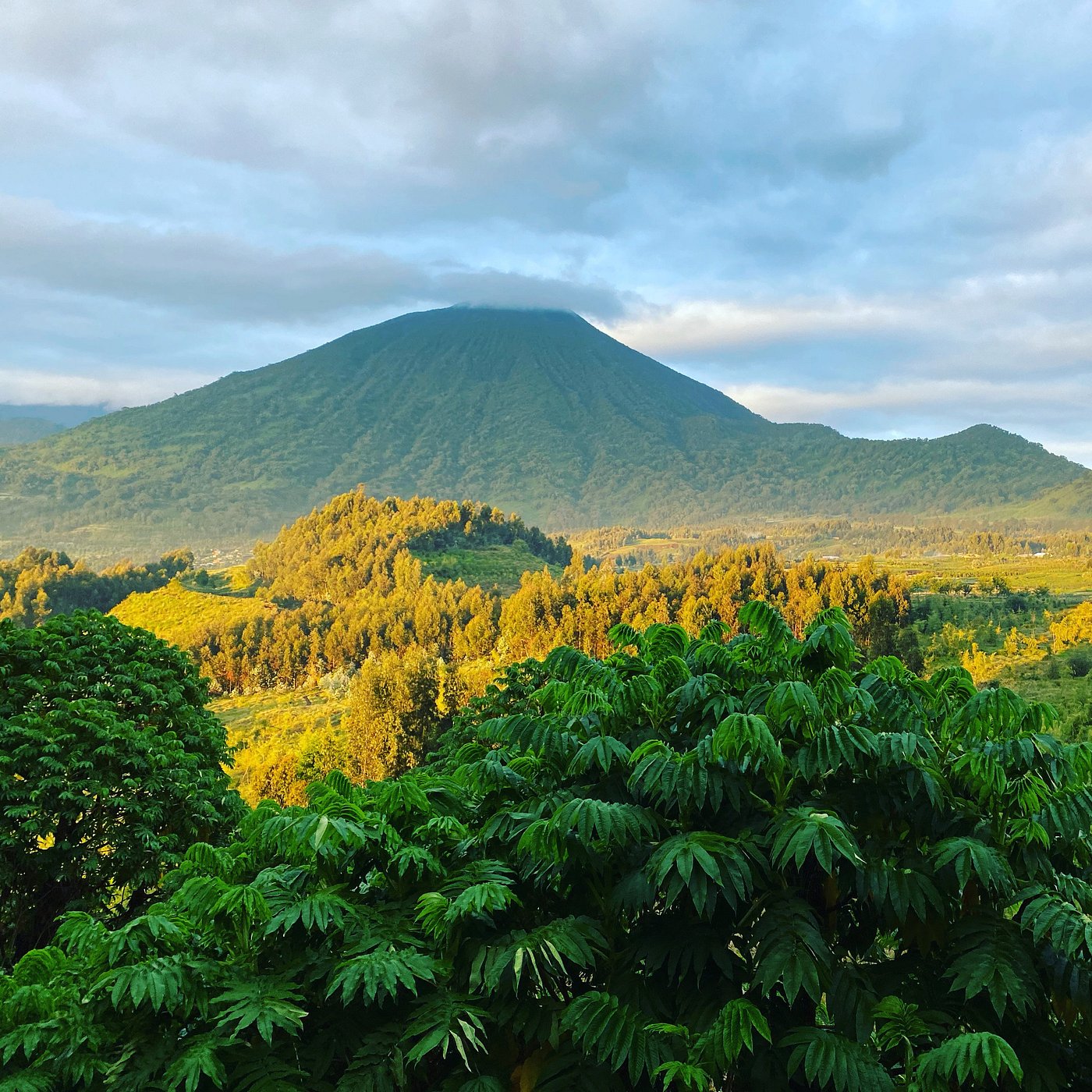
The most common gorilla trekking mistakes in Rwanda are booking flights before securing the $1,500 permit, trying to drive from Kigali on the trek morning, underestimating fitness and the climb, packing for sun instead of rain, and skipping a porter. Avoiding these protects an expensive, once-planned trip to Volcanoes National Park. The permit is $1,500 in 2026. Volcanoes National Park lies in northern Rwanda near Musanze along the Virunga Mountains.
This guide walks through the errors that catch visitors most often, why each one matters, and the simple fix for each. None are hard to avoid once you know about them, and together they are the difference between a smooth trek and a stressful one. Use the widget below for a quick mistake-and-fix reference.
Booking Flights Before the Permit
The costliest early mistake is booking flights and lodges before the permit. Permits are capped at eight visitors per family per day and sell out months ahead in the dry season, so locking in travel first risks finding no permit available for those dates. The fix is simple: secure the permit for your exact trekking day before anything else.
Because the permit is non-transferable and tied to a specific date, it is the fixed point the rest of the trip must fit around. Treat it as the first booking, not the last, and build flights, lodges, and transfers to match the day you hold.
Trying to Travel from Kigali on Trek Morning
A frequent logistical error is planning to drive from Kigali on the morning of the trek. The briefing starts around 7 in the morning, the drive takes two to three hours, and Kigali traffic is unpredictable, so a same-day attempt risks missing check-in and forfeiting the permit. Latecomers are not allowed to join.
The fix is to stay near the park the night before. Most lodges are within a short drive of the Kinigi headquarters and are used to the early start, so an overnight stay turns a tense, risky morning into a calm one.
Underestimating the Climb and Your Fitness
Many visitors underestimate the trek, picturing a gentle forest walk rather than a steep, muddy climb at altitude that can run for hours. Arriving unprepared turns the day into an ordeal and, at worst, means struggling on a family that ranges high. The fix is a few weeks of walking beforehand and an honest account of your fitness at the briefing.

If you are unsure about the climb, request an easier family such as Sabyinyo and take it slowly, since the thin air makes moderate effort feel harder. Overstating your fitness to get a harder family is a mistake in itself, so be realistic about what you can manage. The reverse error also happens: visitors who are fit but anxious sometimes talk themselves out of a family they could easily handle, then wish they had attempted more. An honest, accurate account of your fitness, neither inflated nor downplayed, is what lets the guides place you well.
Packing for Sun Instead of Rain
A common gear mistake is packing only for warm, dry weather. Because the park is rainforest, a shower can arrive in any month, and wet trails are the norm rather than the exception. Turning up without rain gear or waterproof boots leads to a cold, miserable, slippery day.
The fix is to pack rain gear and sturdy waterproof boots in every season, along with dry bags for electronics. Treating waterproofing as standard rather than optional is the single biggest comfort decision in your packing, whatever month you trek.
Skipping a Porter
Some visitors skip hiring a porter to save a small sum, then regret it on the climb. A porter carries your daypack, offers a steadying hand on steep or slippery ground, and genuinely makes a hard trek easier, all for around $15 to $20. It is the best-value decision on the trip.
Beyond the personal benefit, hiring porters supports local income and gives communities around the park a direct stake in protecting the gorillas. Skipping one saves little and misses both a comfort and a conservation benefit, so plan to hire a porter whatever family you draw. Many porters are former poachers or come from families that once relied on the forest, so the small fee is part of how tourism redirects the local economy away from activities that once threatened the gorillas.
Trekking While Unwell and Other Rule Slips
A serious mistake is trekking while ill. Mountain gorillas are highly vulnerable to human respiratory illness, and a cold or flu that is minor for you can be fatal for them, which is why visitors with symptoms are screened out at the briefing. If you are unwell, the responsible choice is to stay behind, even at the cost of the permit.
Other small rule slips include forgetting to switch off the camera flash, getting too close, eating near the animals, and being loud. Knowing the rules in advance, keeping the required distance, and following the guide’s signals avoid all of these and keep the hour smooth for everyone, including the gorillas.
The Cost of Getting It Wrong
Most of these mistakes put the $1,500 permit at risk, which is what makes them worth avoiding. A forfeited permit from a missed briefing or an illness is a costly loss, so the small steps that prevent it pay for themselves many times over.
$1,500 per person in 2026, the cost at stake when a mistake leads to a missed or forfeited trek.
Around $15 to $20, a tiny cost that prevents the mistake of an unnecessarily hard climb.
The cost of one night near the park, far cheaper than risking the permit on a morning drive.
A modest investment that prevents the most common comfort mistake on the trek.
Seen this way, almost every fix is cheap insurance for an expensive trip. Spending a little on preparation and logistics protects the permit and the once-planned experience it buys.
What is the biggest mistake people make with gorilla trekking?
Booking flights and lodges before securing the permit. Permits are capped and sell out months ahead in the dry season, so booking travel first risks finding no permit for those dates. Always secure the $1,500 permit for your exact day first.
Can I drive from Kigali on the morning of my trek?
It is a mistake to try. The briefing starts around 7 in the morning, the drive takes two to three hours, and traffic is unpredictable, so you risk missing check-in and forfeiting the permit. Stay near the park the night before instead.
Do I really need rain gear if I trek in the dry season?
Yes. The park is high-altitude rainforest, so showers can arrive in any month and trails are often muddy. Packing only for sun is a common mistake; bring rain gear and waterproof boots whatever the season.
Is skipping a porter a mistake?
For most visitors, yes. A porter costs around $15 to $20, carries your pack, steadies you on hard ground, and supports local income that underpins conservation. Skipping one saves little and misses both benefits.
What happens if I trek while sick?
You should not. Human respiratory illness can be fatal to gorillas, so visitors with cold or flu symptoms are screened out at the briefing. Trekking while unwell risks the gorillas’ health, and the responsible choice is to stay behind even if it means losing the permit.