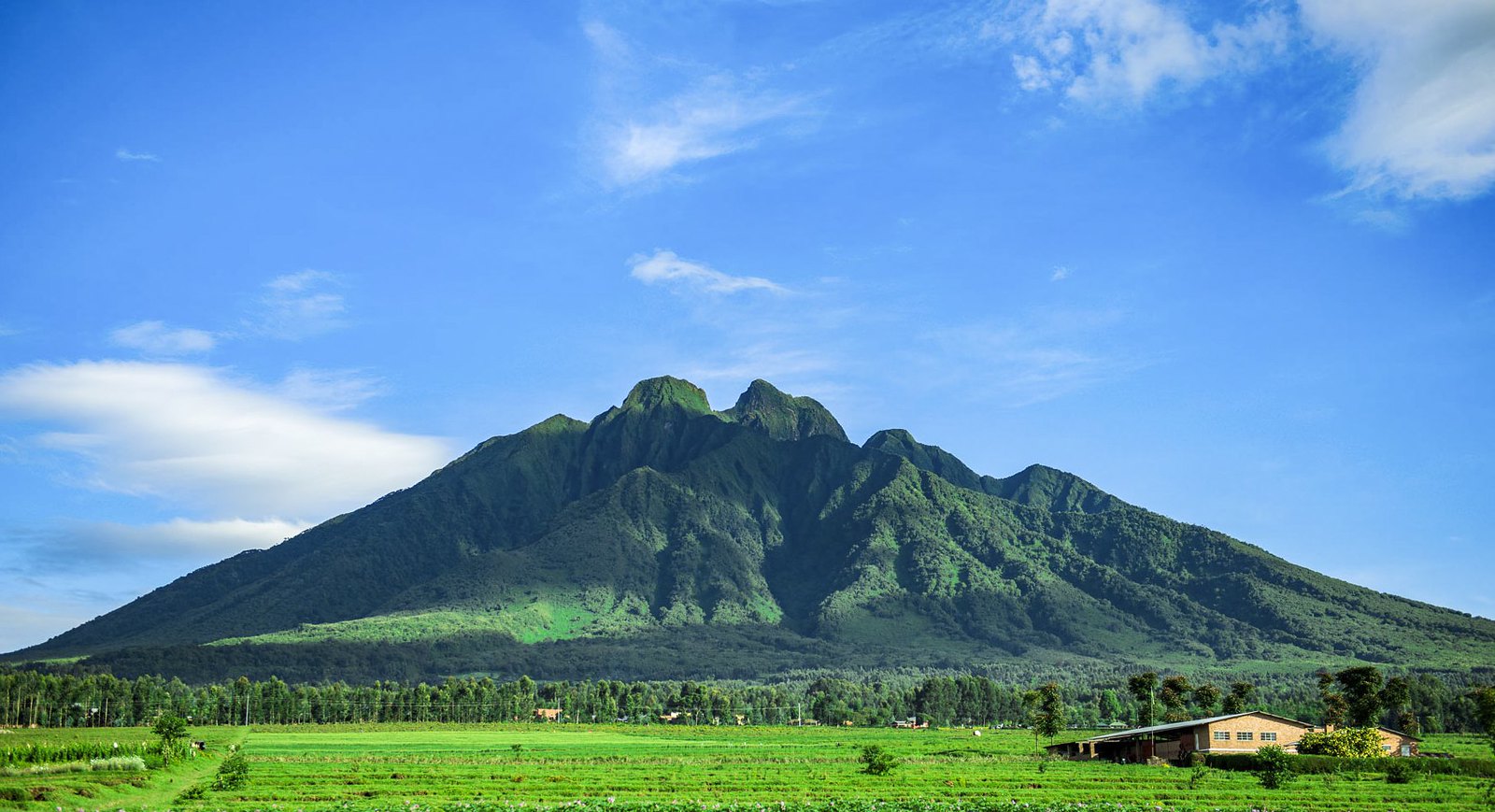
Gorilla trekking during the rainy season in Rwanda covers the wetter months of March to May and October to November, when the trails in Volcanoes National Park are muddier but the crowds are thinner, the forest is greener, and a $1,050 low-season permit replaces the usual $1,500 fee. Gorillas are seen year-round, so the rains affect comfort and cost rather than whether you find a family. Volcanoes National Park lies in northern Rwanda near Musanze along the Virunga Mountains.
This guide explains which months are wet, what trekking in the rain is really like, and the genuine advantages of going off-peak, alongside the harder walking you should plan for. For the right visitor, the rainy season is the smartest-value way to see the gorillas.
Which Months Are the Rainy Season in Rwanda
Rwanda has two wet seasons. The long rains fall from March to May, the heavier of the two, with April usually the wettest month of the year. The short rains run roughly October to November, sometimes stretching into mid-December, and bring showers rather than sustained downpours.
Both periods sit between the dry seasons and vary year to year, since the park‘s high-altitude climate is not perfectly predictable. The long rains are the wetter and more challenging window, while the short rains are a gentler shoulder period that many visitors find a comfortable compromise. Exact start and end dates shift from one year to the next, so treat these months as a guide rather than a fixed calendar and check recent conditions close to your travel dates.
What Trekking in the Rain Is Really Like
The defining challenge is mud. Wet trails are slippery and slower, and the steeper families on Bisoke, Karisimbi, and Muhabura become noticeably harder to reach. The climb takes more effort and more care, and a walking pole and good boots move from useful to important.
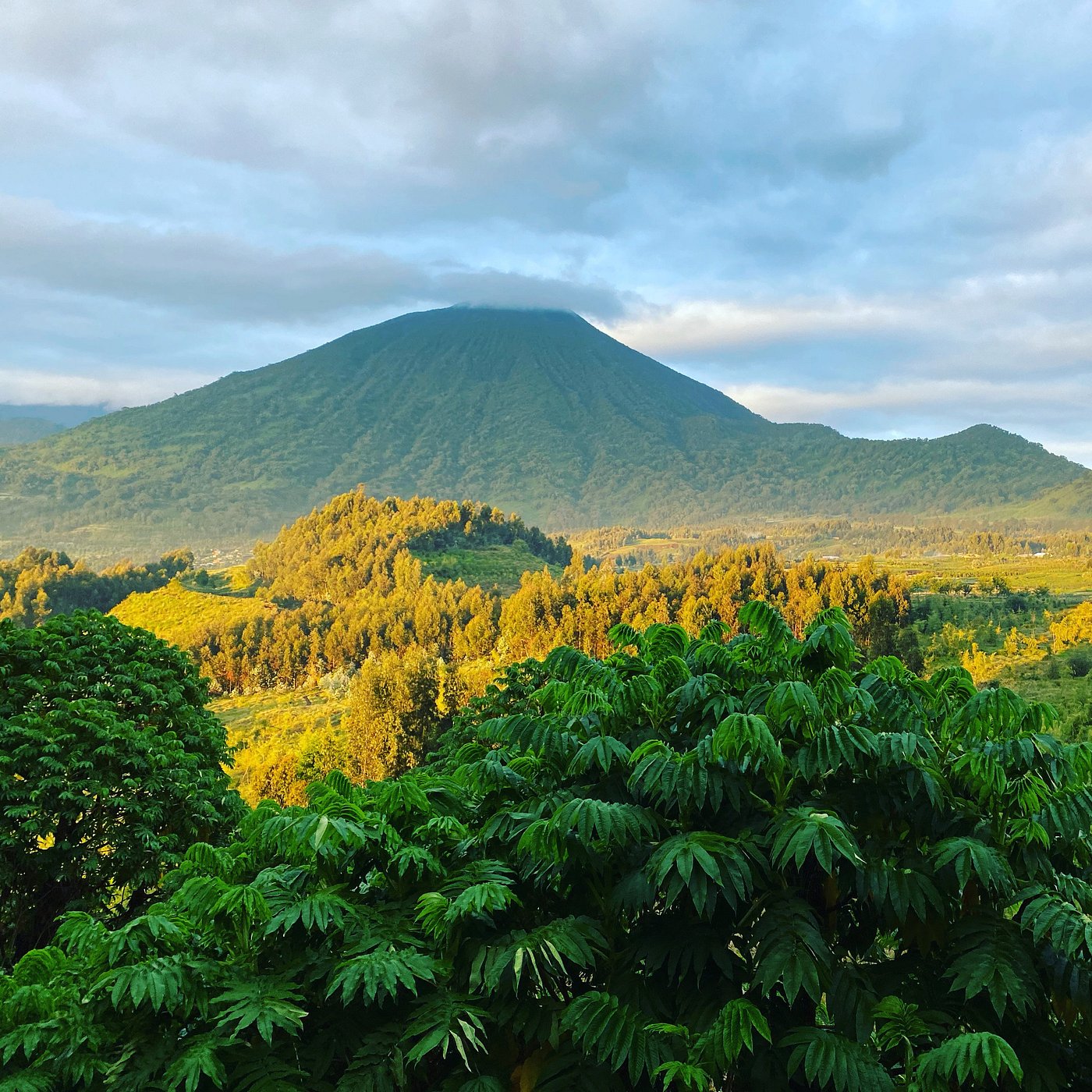
It is not all harder, though. The gorillas often range lower during the rains, which can shorten some treks, and the forest is at its most striking, deep green and wreathed in mist. Showers also tend to come and go rather than fall all day, so a wet-season trek is rarely a constant downpour from start to finish.
The Advantages of Trekking in the Rainy Season
The clearest advantage is value. The low-season permit cuts the fee from $1,500 to $1,050 per person from November to May, when paired with a qualifying two-night stay in Akagera or Nyungwe National Park, and lodge rates drop as demand falls. For a group, the permit saving alone can be substantial.
Beyond cost, the rains bring solitude and scenery. Permits are easier to get on shorter notice, the trails are far quieter, and the forest is at its most photogenic. Visitors who value space and atmosphere over dry footing often prefer the wet season for exactly these reasons. There is also a subtler benefit: with fewer trekking groups out, trackers and guides are under less pressure, and the pace of the day can feel calmer from the briefing through to the hour with the gorillas.
The wildlife around the trek can be richer too. The wet season is when the forest is most active with birds and when other primates, including the golden monkeys of the bamboo zone, are easy to pair with a gorilla trek. For a visitor building a few days around the park, the rains can make the supporting activities as rewarding as the main event.
The Downsides to Plan For
The harder walking is the main downside. Mud makes the climb slower and more tiring, especially for the steeper families, and heavy rain can make a long trek genuinely demanding. Gear gets wet, cameras need protection, and the day asks more of your fitness than a dry-season equivalent.
The long rains of March to May, and April in particular, are the most challenging stretch, so visitors set on the rainy season but wary of the heaviest mud often choose the gentler short rains or the edges of the wet windows instead. Realistic expectations matter more here than in any other season. It is also worth allowing a little slack in your schedule, since a heavy downpour can make the drive on unpaved approach roads slower and a long, muddy trek can push your return to the lodge later than planned.
Permit Cost in the Rainy Season
The rainy season is when the low-season discount applies, making it the cheapest time to trek. The reduced rate covers the same entry, guides, trackers, and one-hour visit as the full-price permit, and still excludes lodging, transport, and tips.
$1,050 per person from November to May, a 30 percent saving on the standard rate.
The discount requires a qualifying two-night stay in Akagera or Nyungwe National Park.
Off-peak demand brings accommodation prices down compared with the dry season.
About $500 for foreign residents and rest-of-Africa visitors, and roughly $200 for East African citizens.
Stacked together, the permit discount and lower lodge prices make the rainy season the strongest-value window of the year, provided you are willing to trade dry footing for the saving.
What to Pack for a Wet-Season Trek
Waterproofing is the priority. A proper rain jacket, waterproof trousers, boots with strong grip and ankle support, and gaiters to keep mud out all earn their place, along with dry bags or zip bags to protect your camera and phone. Gloves help with wet, slippery vegetation.
A walking pole makes a real difference on muddy descents, and a change of dry clothes waiting back at the lodge is worth packing. Hiring a porter is especially valuable in the rains, both to carry your pack and to steady you on slick ground, while supporting local income.
Is the Rainy Season Worth It?
For budget-minded visitors, photographers, and anyone who would rather have the forest to themselves, the rainy season is well worth it. The permit saving and lower lodge rates can take real money off the total cost of a trip, and the quiet trails and misty scenery give the kind of experience the crowded peak months cannot. Confident hikers who do not mind mud often come away preferring it.
It is less suited to visitors anxious about the physical side of trekking, those with limited mobility, or anyone for whom a wet, muddy day would spoil a once-planned trip. The honest answer is that the rainy season rewards preparation and a flexible attitude, and punishes the opposite. If that sounds like you, the savings and solitude make it the smarter choice.
Can you trek gorillas in the rainy season in Rwanda?
Yes. Gorillas are seen year-round and success rates stay high in the rains. The trails are muddier and the climb harder from March to May and in October to November, but the gorillas are just as findable as in the dry season.
What are the advantages of trekking in the rainy season?
The main advantages are value and solitude: a $1,050 low-season permit instead of $1,500, lower lodge rates, easier permit availability, far fewer crowds, and a green, photogenic forest. The gorillas also often range lower, which can shorten some treks.
How much can you save trekking in the low season?
The low-season permit saves $450 per person, dropping the fee from $1,500 to $1,050 from November to May with a qualifying two-night stay in Akagera or Nyungwe. Lodge prices are also typically lower off-peak.
Which month is the wettest for gorilla trekking?
April is usually the wettest month, during the long rains of March to May. Visitors who want the rainy-season value but less mud often choose the gentler short rains of October to November instead.
What should I pack for trekking in the rain?
Prioritise waterproofing: a rain jacket, waterproof trousers, boots with strong grip, gaiters, and dry bags for electronics. A walking pole helps on muddy descents, and a porter is especially worth hiring in wet conditions.