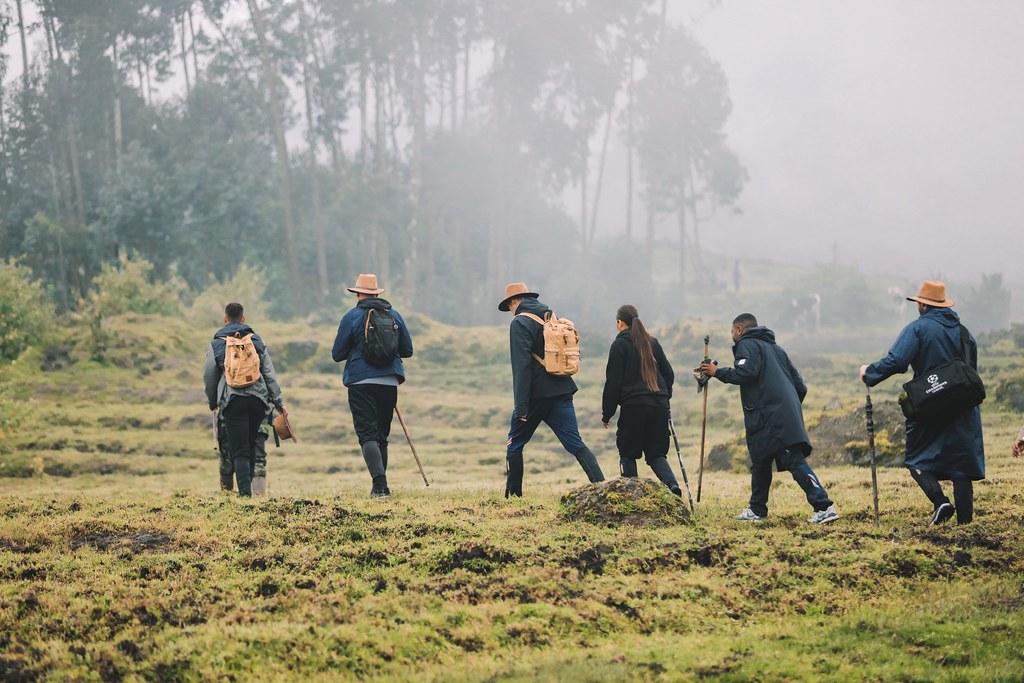
You book a Rwanda gorilla permit either directly with the Rwanda Development Board through its online system or through a licensed tour operator, paying USD 1,500 in full to confirm your date. Both routes secure the same permit for Volcanoes National Park. Booking opens far ahead, and for the dry season you should reserve three to six months in advance to be sure of a place.
The process is straightforward once you know the steps, but the details matter: your passport name must match exactly, payment is upfront, and the most popular dates fill early. Here is how to go from deciding to trek to holding a confirmed permit.
Who Issues the Permit
All Rwanda gorilla permits come from the Rwanda Development Board, the government body that manages tourism and conservation. No one else creates permits. Tour operators who sell them are simply buying from the board on your behalf, so wherever you book, the permit itself originates in the same place.
This matters because it sets the rules everyone follows: one price by visitor type, a fixed daily limit, passport verification, and a strict cancellation policy. Knowing the board is the source helps you spot legitimate sellers and avoid anyone promising permits outside the official system.
Booking Directly With the Rwanda Development Board
You can book yourself through the board’s official online platform. You provide your full name as it appears on your passport, your passport number, nationality, and your preferred trekking date, then pay the full USD 1,500 upfront to hold the spot. Once payment clears, your permit is reserved for that date.
Booking direct suits independent travellers who are comfortable arranging their own transport, lodging near Musanze, and logistics. It can save the margin an operator adds, but it puts the planning entirely on you, including getting to Kinigi headquarters by 7:00 a.m. on the day.
Booking Through a Licensed Tour Operator
Most international visitors book through a licensed operator, often as part of a wider safari. The operator buys the permit from the board, bundles it with transport, accommodation, and guiding, and handles the paperwork. You pay the operator, who passes the permit fee to the board.
The advantage is convenience and flexibility. A good operator manages your whole trip, advises on family assignment by fitness, and can sometimes reschedule a date with the board on your behalf given enough notice. The trade off is a service cost on top of the permit, which many travellers find worthwhile for a smooth, coordinated trip.
The Booking Process Step by Step
The timeline below maps the path from first decision to trek day, with the typical timing for a dry season trip in 2026.
What You Need to Book
Have your details ready before you start. You need your passport with a name and number that will match on trek day, your nationality and residency status to select the right price tier, a firm trekking date, and a payment method for the full fee. Couples and groups each need their own permit and their own passport details.
If your passport is due to expire or you are renewing it, sort that first, because a mismatch between your permit and your passport at Kinigi can cost you the trek. Booking the correct tier also matters, since claiming a resident rate without the documents to prove it will not hold up at verification.
Permit Cost and Payment in 2026
Payment is upfront and in full, whichever route you choose. These are the 2026 figures.
USD 1,500 per person, paid in full to confirm the booking.
USD 500 for African citizens and foreign residents of African countries, with proof required.
USD 200 for citizens of Rwanda and other East African Community states.
The same permit fee plus the operator’s service cost when bundled with transport and lodging.
Avoiding Booking Mistakes
A few errors trip up first time bookers. The most common is leaving it too late for peak dates, which simply sell out. Another is a passport name mismatch, since permits are non transferable and checked against your document. A third is choosing the wrong price tier without the residency proof to back it.
It also pays to only buy through the board or a verifiably licensed operator. Permits cannot be resold between individuals, so any offer to transfer someone else’s permit to your name is not valid. Booking early, entering details carefully, and using a legitimate seller removes nearly all the risk.
Booking for Groups and Families
Booking for more than one person adds a layer to plan around. Each trekker needs an individual permit tied to their own passport, and there is no family or group discount on the fee itself. The challenge is securing several permits for the same date, since the daily pool is limited and a popular day may not have enough places left for a whole party.
The fix is to book as a block and as early as possible, ideally six months ahead for peak dates. An operator is especially useful here, because they can hold or coordinate multiple permits and align them with one vehicle and lodging. If your group spans different fitness levels, mention this so families can be assigned sensibly, with stronger walkers placed on tougher routes and others on gentler ones.
Common Booking Questions Before You Pay
Before committing, settle a few practical points. Decide whether you want the trek as a standalone day or as part of a longer itinerary taking in other parks, since that affects whether a package suits you better than a bare permit. Check that your passport will still be valid and unchanged by trek day, because the name and number on it must match the permit exactly.
Confirm your nationality and residency status so you select the correct price tier, and gather proof if you are claiming a resident rate. Think too about the days around the trek: you must reach Kinigi by 7:00 a.m., so an overnight near Musanze the evening before is the sensible choice rather than a pre dawn drive from Kigali. Sorting these details before payment turns booking into a quick, confident step rather than a source of doubt.
After You Book, Getting Trek Ready
Confirmation is the start of a short preparation phase rather than the finish line. Once your permit is held, lock in lodging near Musanze for the night before, since the 7:00 a.m. report time at Kinigi makes a same morning drive from Kigali impractical. Arrange your transport next, whether a private transfer, an operator vehicle, or a hired car, and build in a buffer so traffic or weather cannot make you late.
Turn then to gear and health. Sturdy waterproof boots, gloves for gripping vegetation, gaiters, a rain layer, and a daypack with water are the basics, and a porter at around USD 20 eases the climb. Avoid travelling if you fall ill, because rangers may turn back anyone who could pass an illness to the gorillas. Keep your passport, permit reference, and payment confirmation together, ready to present on the day. A little organisation in the weeks after booking is what turns a confirmed permit into a smooth, unhurried trek.
Frequently Asked Questions About Booking a Rwanda Gorilla Permit
Can I book a Rwanda gorilla permit myself?
Yes. You can book directly through the Rwanda Development Board’s official online system with your passport details and full payment, or use a licensed tour operator.
How far in advance should I book?
For the dry season peaks of June to September and December to February, book three to six months ahead. Quieter months allow shorter notice.
What information do I need to book?
Your exact passport name and number, your nationality and residency status for the correct price tier, a trekking date, and full payment.
Is payment required upfront?
Yes. The full permit fee is paid at the time of booking to confirm and hold your date.
Can someone else use my permit?
No. Permits are non transferable and your passport is checked against the permit at Kinigi before you trek.
Ready to go? Start planning your trip with our Rwanda gorilla safaris.