A Rwanda gorilla permit includes park entry, a guide, the armed ranger escort, the trackers, one hour with a habituated family, and a certificate, but not transport, lodging, meals, a porter, or tips. The USD 1,500 fee for foreign non residents buys access to the trek in Volcanoes National Park, not a full trip. Knowing the line between included and extra keeps your budget honest.
Many first time buyers assume such a high price must cover everything. It does not, and the surprises tend to come from the extras. This article spells out exactly what the permit pays for and what you still need to budget separately.
What the Permit Pays For
The permit is your entitlement to the trekking experience itself. It covers entry to the park, so there is no separate gate fee for trekkers. It assigns you a professional guide and a team of trackers who locate your family before dawn, and it provides the armed ranger escort who walks with your group throughout.
The fee also grants the strictly limited one hour with the gorillas once you reach them, in a group capped at eight. At the end, you receive a printed certificate recording your trek. Everything inside the forest, from finding the family to the guided hour, is part of the fee.
What the Permit Does Not Cover
The extras are where budgets slip. The permit excludes transport from Kigali to the park, your accommodation near Musanze, all meals, and the optional but highly recommended porter at around USD 20. Tips for rangers, trackers, porters, and drivers are customary and also separate.
Gear is on you as well: sturdy boots, gloves, gaiters, and a rain layer are not provided. None of these are hidden charges, but they add up, and travellers who plan only for the permit can be caught out by how much sits outside it.
Included Against Not Included
The grid below draws the line clearly between what your permit fee buys and what you arrange and pay for separately, based on 2026 conditions.
Why Park Entry Is Bundled In
One point that confuses buyers is the park entrance fee. For gorilla trekkers, there is no separate admission charge stacked on top of the permit, because entry is built into the permit itself. Other park activities, such as hiking a volcano or tracking golden monkeys, carry their own activity fees that likewise include entry for that activity.
So you will not be asked to pay a gate fee at Kinigi on trek day beyond holding a valid permit. This is different from some parks elsewhere that charge admission plus activity fees, and it makes the permit’s all in nature, for the trek at least, simpler to understand.
Budgeting for the Extras
To avoid surprises, build a simple add on budget alongside the permit. Allow for return transport from Kigali, a night or two of lodging near the park, meals, the porter, and a cushion for tips. Even modestly, these can add a few hundred dollars per person to a self arranged trip.
The porter deserves a special mention. At around USD 20, hiring one eases the climb, often supports a former poacher now earning from conservation, and is among the best value spends of the day. Treat it as a near must rather than optional when planning your costs.
Permit Fee and Common Extras in 2026
These are the included rates and the main costs that sit outside them.
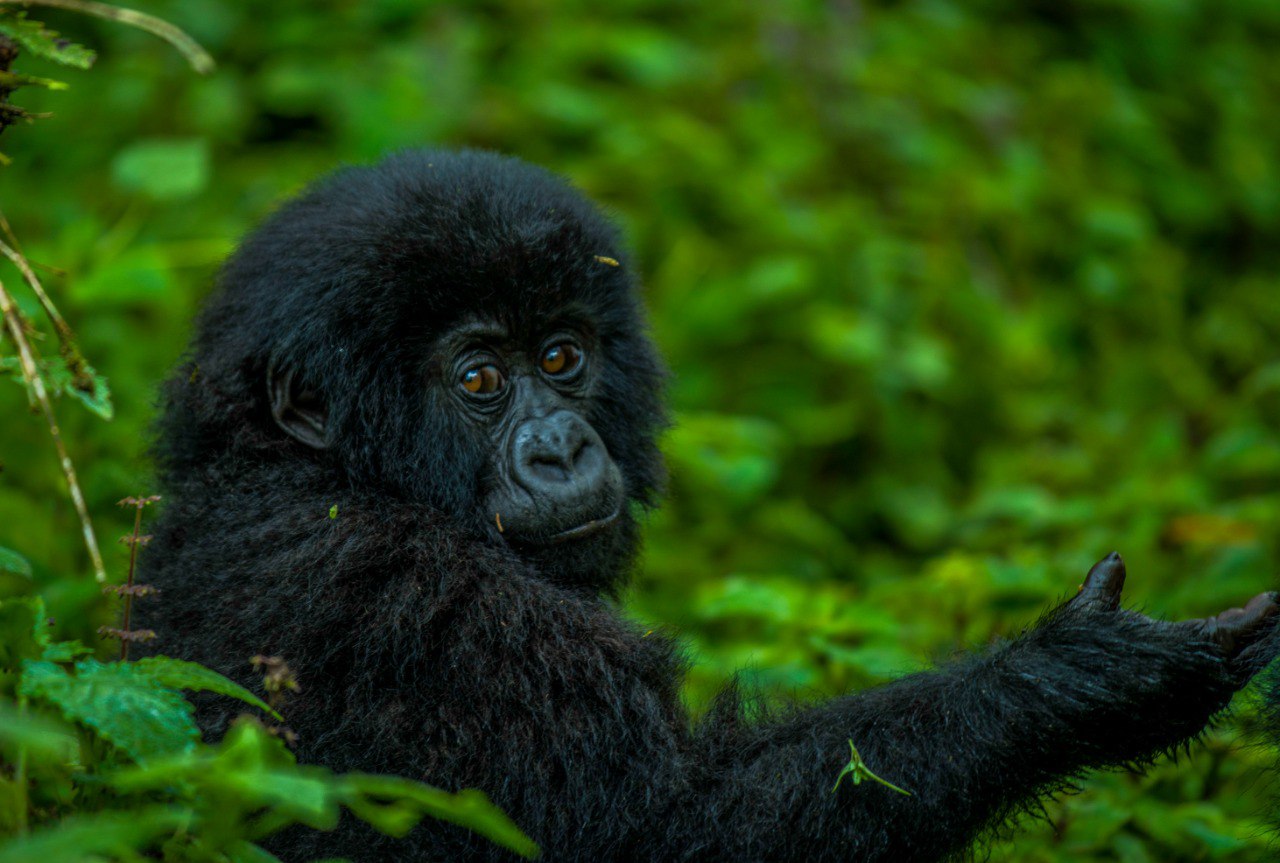
USD 1,500 per person, covering entry, guiding, rangers, trackers, the hour, and a certificate.
USD 500, with East African citizens at USD 200, on the same inclusions.
About USD 20, not in the permit but strongly recommended.
Transport, lodging, meals, tips, and gear, all arranged and paid separately.
Comparing Inclusions With Other Activities
The permit’s inclusions look generous once you compare them with the park’s other paid activities. Golden monkey tracking, the Dian Fossey tomb hike, and the volcano climbs each carry their own fee and each includes entry for that specific activity, just as the gorilla permit includes entry for trekking. None of them bundle transport or lodging either, so the pattern is consistent across the park: the fee buys the guided activity and its access, nothing more.
What makes the gorilla permit distinct is the depth of support packed into one outing. The trackers who find your family work from before dawn, the rangers escort you throughout, and the guiding continues for the full hour with the animals. Few single activities anywhere come with that level of staffing, which is part of what the price reflects and why the inclusions feel substantial even with the long list of extras.
Reading Your Permit and Operator Quote
When you receive a permit or an operator’s quote, read it against this included and excluded split so nothing catches you out. A bare permit confirmation will show the trekking entitlement and little else, which is correct, since transport and lodging were never part of it. An operator’s quote, by contrast, should itemise which extras it adds, and you can check each against the not included list to see what remains your responsibility.
If a quote is vague, ask directly whether it covers transfers from Kigali, the nights near the park, all meals, the porter, and tips. Clarifying these in advance prevents the awkward moment of discovering a gap on trek day. The permit is fixed and predictable; it is the wrapper around it that varies, so that is where your questions should focus.
Getting Full Value From What Is Included
Since the guiding and tracking are already paid for, make the most of them. Your guide and rangers carry deep knowledge of the families, their histories, and their behaviour, and the hour is richer when you ask questions rather than only taking photographs. The trackers’ dawn work is what makes a sighting near certain, so a sincere word of thanks, alongside a tip, recognises a service the permit funded but cannot fully convey.
The certificate at the end is a small but genuine part of the package, recording the family you visited and the date. Keep it, since it is the one tangible item the fee produces. Used well, the included elements turn a single expensive hour into something layered and informed, which is the return the permit is really designed to deliver.
The People Your Fee Supports
Behind the inclusions stands a team whose work the permit funds. Trackers set out before dawn to locate your family, often walking far ahead so your group can be guided straight to them. Rangers escort you for safety and read the forest for signs of the gorillas and other wildlife. Guides interpret behaviour, manage the strict distance rules, and keep the visit calm for both people and animals.
A porter, though paid separately at around USD 20, is part of this human network too, carrying your bag, steadying you on slopes, and often earning a living that draws communities away from poaching. Tipping these workers is customary and sits outside the permit, so budget a little extra to recognise them. Seeing the fee as support for skilled people, not just access to animals, reframes the cost. The permit pays for protection that runs every day of the year, and your single hour is the visible tip of a far larger, year round effort.
Frequently Asked Questions About What the Permit Includes
What does a Rwanda gorilla permit include?
Park entry, a guide, the ranger escort, trackers, one hour with a habituated family, and a trekking certificate.

Is transport included in the permit?
No. Getting from Kigali to the park is arranged and paid for separately, either yourself or through an operator.
Do I pay a park entrance fee on top?
No. For trekkers, park entry is built into the permit, so there is no separate gate fee on trek day.
Is a porter included?
No. A porter costs around USD 20 and is hired separately, though it is strongly recommended for the climb.
What else should I budget for?
Lodging, meals, tips for rangers, trackers, porters, and drivers, plus proper gear such as boots, gloves, and a rain layer.
How much should I budget for tips?
Tips are personal, but setting aside a modest amount for your guide, rangers, trackers, porter, and driver is customary and recognises work the permit funds but does not cover.
Is photography included in the permit?
Yes, personal photography during your hour is allowed without flash, though commercial filming carries separate, much higher fees set by the board.
Ready to go? Start planning your trip with our Rwanda gorilla safaris.