You should buy a Rwanda gorilla permit three to six months ahead for the dry season and at least one to three months ahead for quieter months. The permit costs USD 1,500 for foreign non residents in 2026 and is for Volcanoes National Park. Because only a limited number are sold each day, the busiest dates sell out well before you arrive, so timing your purchase is as important as the trek itself.
The right moment to buy depends on when you want to trek, how fixed your travel dates are, and your appetite for risk. This guide matches each scenario to a sensible booking window so you neither overpay for early certainty you do not need nor miss out by waiting too long.
Why Timing Your Purchase Matters
Rwanda deliberately caps the number of trekkers each day to protect the gorillas, with around twelve habituated families and a maximum of eight visitors each. That leaves a small daily pool of permits. When international demand concentrates on the dry months, those permits disappear months ahead, and no amount of willingness to pay creates more on a sold out day.
Buying at the right time is about availability, not price, since the standard fee does not rise as a date fills. The earlier you commit for a popular date, the more certain your place. For flexible travellers in quiet months, waiting carries little risk and keeps your plans open.
Booking for the Dry Season Peaks
The dry seasons, roughly June to mid September and December to February, are the most popular times to trek because the trails are firmer and the rain lighter. They are also when permits vanish first. For these months, reserve three to six months in advance, and longer still if your dates are locked by flights or a group.
If your heart is set on a specific peak date, treat early booking as the default. Holidays and the weeks around the annual Kwita Izina naming ceremony draw extra demand. Securing the permit first, then building flights and lodging around it, is the safest order for dry season trips.
Booking for the Quieter Months
The wetter months, broadly March to May and parts of October and November, see lower demand. Permits are easier to find closer to your dates, and you may trek alongside fewer people. Booking one to three months ahead is usually comfortable, and last minute places appear more often.
The trade off is mud. Rain makes the steep terrain slipperier and the walk harder, though the forest is greener and gorillas do not hide from a little rain. Low season can also unlock promotional pricing, which makes these months attractive for flexible, budget aware travellers who do not mind wet boots.
Matching Your Trip to a Booking Window
The grid below pairs common trip types with how far ahead to buy and the sell out risk involved. Use the buttons to focus on peak or quiet season plans. Figures reflect 2026 demand patterns.
Buy the Permit Before the Flights
A common planning error is booking flights first, then hunting for a permit on those fixed dates. For peak season this is risky, because if the permit is gone you are left rearranging non refundable travel. The safer order is permit first, then flights and lodging around the confirmed trekking day.
This is especially true for groups, where you may need several permits on the same date. Lock the permits as a block, then build the rest of the itinerary. Operators are useful here, since they can hold dates and coordinate the pieces so your whole party treks together.
Permit Cost When You Buy in 2026
The price does not change with how early you buy, only your certainty of a place does. These are the 2026 rates.
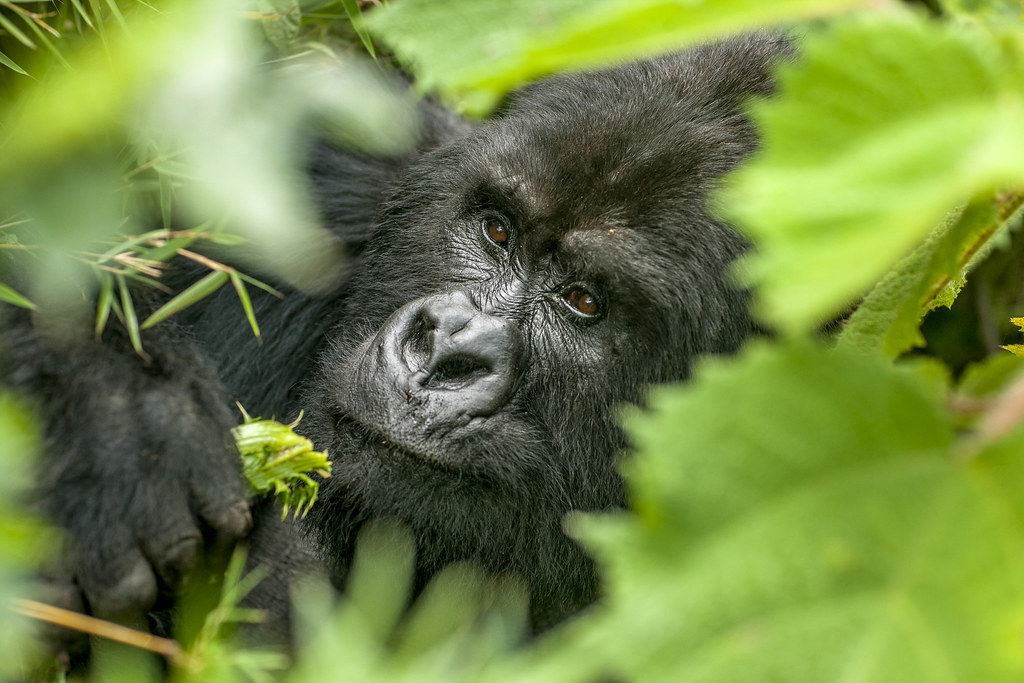
USD 1,500 per person, the same whether booked six months or one month ahead.
USD 500 for African citizens and foreign residents of African countries.
USD 200 for citizens of Rwanda and other East African Community states.
Promotional pricing can apply in quieter months under set conditions, rewarding flexible dates.
How Travel Style Changes the Timing
Your timing should bend to how you travel. Independent travellers arranging their own transport and lodging have more moving parts to line up, so locking the permit early gives the rest of the plan a fixed point to build on. Those booking a full package can lean on an operator to coordinate dates, but the underlying permit scarcity still applies, and operators also prefer plenty of notice for peak periods.
Solo trekkers have the easiest time finding a single late place, since one open spot is more common than several together. Couples and groups face longer odds at short notice and should buy earlier. Photographers or anyone wanting a specific family, such as the high dwelling Susa group on Karisimbi, should also book ahead, because family assignment is easier to influence when the day is not already crowded.
Reading Demand Signals Before You Commit
A little research sharpens your timing. Major holidays in source markets, school break periods, and the weeks around the annual Kwita Izina gorilla naming ceremony all concentrate demand and shorten how late you can safely book. If your dates overlap any of these, shift your assumption toward booking earlier rather than later.
Watch the weather pattern too, since it drives demand. As the dry season draws near and forecasts firm up, bookings accelerate and the window for a comfortable reservation narrows. Conversely, when the rains are in full swing, you can often wait and still secure a place, and may pick up a low season saving. Matching your purchase to these rhythms is how you avoid both panic booking and missing out.
Locking the Date Then Building the Trip
The cleanest way to plan is to treat the permit purchase as the moment your trip becomes real. Until the permit is paid and held, every other booking is provisional, because a sold out trekking day can unravel flights and lodging chosen around it. Buying first gives the rest of the itinerary a fixed centre to grow from, which is why experienced travellers resist the urge to arrange flights before the permit is secure.
Once the date is locked, the sequence falls into place: book refundable or flexible flights where possible, reserve a lodge near the park, then add any extra activities such as golden monkey tracking or a volcano hike. For groups, agree the trekking day before anyone buys anything, so the whole party books the same date as a block. This order, permit first and details second, is the single habit that prevents the most common and most expensive planning mistakes.
Frequently Asked Questions About When to Buy a Gorilla Permit
How early should I buy a gorilla permit in Rwanda?
Three to six months ahead for the dry season peaks, and one to three months ahead for quieter months when demand is lower.
Does buying early make the permit cheaper?
No. The standard fee is the same regardless of how far ahead you book. Early buying only improves your chance of getting a place.
Which months sell out fastest?
The dry seasons of June to mid September and December to February, plus holidays and the period around the Kwita Izina ceremony.
Should I book my permit or my flights first?
Book the permit first, then arrange flights and lodging around the confirmed date, especially for peak season and groups.
Can I buy a permit at short notice?
In quiet months, yes, often one to two months ahead or even within days through an operator. In peak season, short notice is risky.

Can I hold a date without paying in full?
No. The full fee confirms and holds the date, so a place is only truly yours once payment is complete, which is why early decisive booking matters in peak season.
Is it worth booking a year ahead?
For fixed peak dates or large groups, a year of notice does no harm and adds certainty, though four to six months is usually enough for most dry season trips.
What if my plans are still uncertain?
If your dates are not yet firm, avoid committing in peak season until they are, since the fee is hard to recover, but in quiet months you can safely wait until plans settle.
Ready to go? Start planning your trip with our Rwanda gorilla tours.