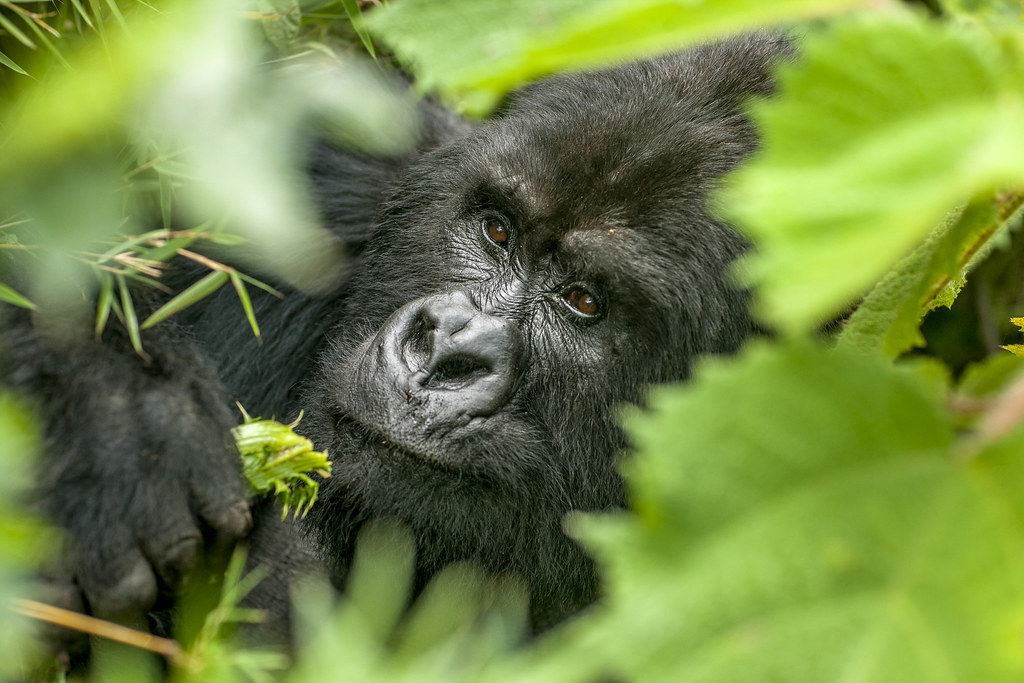
Gorilla trekking in Rwanda is very safe, with no serious tourist security incident recorded at Volcanoes National Park in more than twenty years. Permits cost USD 1,500 for foreign non residents in 2026 and include armed ranger escorts who walk with every group. The activity runs only inside Volcanoes National Park in northwest Rwanda, one of the most stable and tightly protected wildlife areas in Africa.
Most worries people carry into a trek are about the wrong things. The gorillas are gentle, and the country is calm. The genuine risks are physical, such as slippery slopes, altitude, and stinging plants, and they are manageable with sensible preparation. This guide separates the real concerns from the imagined ones so you can book with a clear head.
How Safe Gorilla Trekking in Rwanda Really Is
Rwanda ranks among the safest countries in Africa for visitors, with low crime in tourist areas and a strong, visible commitment to order. Volcanoes National Park sits at the centre of this, protected by the Rwanda Development Board and patrolled daily by rangers and trackers who know the forest intimately. Tourists have trekked here in large numbers every year for over two decades without a serious safety failure.
The structure of the activity adds further protection. Groups are capped at eight visitors per gorilla family, every group is led by an experienced guide, and armed rangers accompany the walk from start to finish. You are never alone in the forest, and decisions about route, pace, and turning back rest with people who do this work every day.
Are the Gorillas Themselves Dangerous?
This is the fear that turns out to be the least founded. Mountain gorillas are habituated, meaning the families you visit are calm and used to short, quiet human visits. They have no interest in harming people, and the safety record around them is excellent. A silverback weighing 200 kilograms looks formidable, yet he is a protective family head, not an aggressor toward respectful visitors.
On the rare occasion a silverback mock charges, it is a display rather than an attack. Your guide briefs you on exactly how to respond: stay low, look away, stay quiet, and do not run. Following these cues calmly almost always settles the situation within seconds. The animals set the terms, and trekkers who respect the 7 metre distance and the guide’s signals have very little to be concerned about.
The Real Risk: Terrain and Altitude
The honest hazard of a gorilla trek is the ground beneath your feet. Volcanoes National Park is steep, the soil is often wet, and the vegetation can be thick. Slips, twisted ankles, and scratches from stinging nettles are the most common mishaps, far more than anything involving wildlife. Good boots, gaiters, and a pair of gloves take most of the sting out of this.

Altitude is the second physical factor. Trailheads sit around 2,500 metres and some families live considerably higher, so the air is thinner than many visitors expect. Walking slowly, drinking water, and hiring a porter to carry your bag all reduce the strain. Anyone with heart or breathing concerns should speak to a doctor before booking, but for reasonably fit travellers the terrain is a challenge, not a danger.
Disease Safety, for You and the Gorillas
Because mountain gorillas share roughly 98 percent of human DNA, the main disease risk runs from people to gorillas rather than the reverse. A human cold or flu can be serious for an endangered population, so trekkers must wear a face mask during the visit, keep their distance, and stay back if they are unwell. Rangers may turn away a visibly sick visitor at the morning briefing.
For your own health, the altitude at Volcanoes National Park keeps malaria risk low, though health authorities still advise antimalarial precautions for Rwanda as a whole. Routine travel vaccinations, hand hygiene, and the same mask that protects the gorillas all work in your favour. The disease rules can feel strict, yet they are part of why both visitors and gorillas stay healthy.
Armed Rangers and the Park’s Security Record
Every trekking group is escorted by armed rangers, a practice that can surprise first time visitors but signals how seriously protection is taken. The rifles are chiefly a precaution against forest wildlife such as buffalo and against any threat to the gorillas, and they are very rarely needed. Their main daily work is anti poaching patrol and quiet guardianship of the families.
This protective presence grew out of hard history. After the instability of the 1990s, Rwanda rebuilt the park’s security from the ground up, and trekking resumed at the end of that decade. Since then the record has been clean, supported by ranger patrols, community scouts, and the Dian Fossey Gorilla Fund trackers who monitor families daily. Few wilderness experiences anywhere are watched over this closely.
Is the DRC Border a Concern?
Volcanoes National Park lies near the borders with the Democratic Republic of Congo and Uganda, and news of instability across the Congolese frontier understandably raises questions. The gorilla trekking areas used by tourists in Rwanda are not affected by that conflict. Trekking operates normally, and the families visited live well within Rwanda’s protected, patrolled zone.
Rwanda’s own side of the Virunga region has remained stable and open to visitors throughout. Operators monitor conditions continuously and follow official guidance, and rangers control access to the forest. If you are trekking gorillas in Rwanda, you are in Rwanda’s territory under Rwandan protection, not crossing into contested ground.
Ranking the Real Risks of a Rwanda Gorilla Trek
The grid below sorts the factors people ask about by how likely they are to affect you, alongside how each one is managed. Use the buttons to focus on the most likely issues or the ones with the highest impact. The figures reflect 2026 conditions at Volcanoes National Park.
Health Precautions Before You Travel
A little preparation removes most of the small risks. Build some hill fitness in the weeks before your trek, since stamina matters more than speed on the slopes. Pack sturdy waterproof boots, gloves for gripping vegetation, a rain layer, and plenty of water. A porter, hired for around USD 20, carries your bag and steadies you on tricky ground, and the role often supports former poachers.
On the medical side, consult a travel clinic about routine vaccinations and antimalarial advice for Rwanda, and bring any personal medication you rely on. Trekkers must be at least 15 years old, and anyone with a cough, cold, or fever should postpone rather than risk the gorillas’ health. None of this is onerous, and it turns an already safe activity into a comfortable one.
Cost of a Safe, Guided Gorilla Visit in 2026
The price of the permit funds the very protection that makes trekking safe, from ranger salaries to community programmes. These are the 2026 rates.
USD 1,500 per person, including the armed ranger escort, guide, and one hour with a habituated family.
USD 500 for African citizens and foreign residents of African countries.
USD 200 for citizens of Rwanda and other East African Community states.
About USD 20 for a porter, with optional tips for rangers and guides, all of which support local livelihoods and safety work.
Trekking With Confidence
Put together, the picture is reassuring. The gorillas are calm, the country is stable, the park is patrolled around the clock, and the only meaningful risks are the ordinary ones of hiking steep, wet ground at altitude. Sensible gear, a reasonable level of fitness, and respect for the guide’s instructions cover almost everything that could go wrong.
Tens of thousands of visitors complete this trek safely, and Rwanda has built its reputation on protecting both them and the gorillas. If you prepare for the terrain and follow the rules in the forest, gorilla trekking in Rwanda is one of the more controlled and well guarded wildlife activities you can choose.
Frequently Asked Questions About Gorilla Trekking Safety in Rwanda
Is gorilla trekking in Rwanda dangerous?
No. It is considered very safe, with no serious tourist security incident at Volcanoes National Park in over twenty years. The main risks are physical, such as slips and altitude, rather than wildlife or crime.
Will the gorillas attack me?
Habituated gorillas are calm around respectful visitors and have an excellent safety record. A silverback may mock charge as a display, in which case you stay low, look away, and never run, as your guide explains.
Why do rangers carry guns?
The armed escort is mainly a precaution against forest wildlife such as buffalo and a protection against threats to the gorillas. It is rarely used, and rangers spend most of their time on patrol and monitoring.
Is the conflict near the Congo border a problem?
No. The gorilla trekking areas in Rwanda are not affected by instability across the DRC border. Trekking takes place inside Rwanda’s patrolled zone and operates normally.
Do I need malaria precautions?
Malaria risk is low at the park’s altitude, but health authorities still advise antimalarial precautions for Rwanda. Speak to a travel clinic about prophylaxis and routine vaccinations before you travel.
How fit do I need to be?
You need moderate fitness to handle steep, wet terrain at altitude. Some preparation in the weeks beforehand helps, and hiring a porter eases the climb considerably.