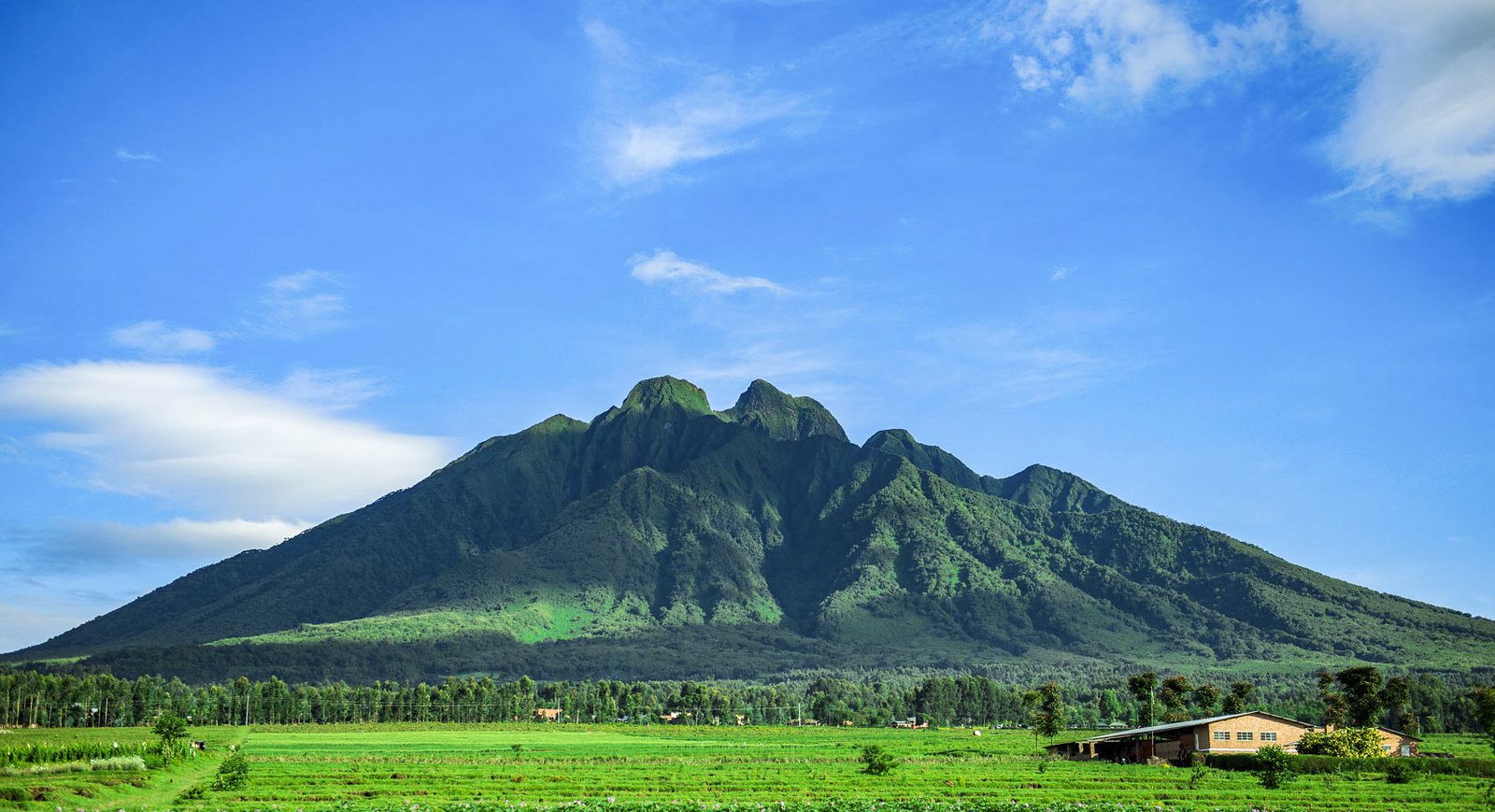
The key items to pack for gorilla trekking in Rwanda are sturdy waterproof hiking boots, long trousers and long sleeves, a rain jacket, gardening-style gloves, a daypack with water, and a camera without a flash. Because Volcanoes National Park is high-altitude rainforest, you should pack for rain and cool, muddy conditions in any season. The gorilla permit itself is $1,500 in 2026. Volcanoes National Park lies in northern Rwanda near Musanze along the Virunga Mountains.
This guide works through what to wear, what to carry, and the health and photography items that make the day easier, plus the few rules that shape your kit. The aim is a pack that keeps you dry, protected from stinging plants, and comfortable on a steep, wet climb without weighing you down.
Why Packing Right Matters for a Gorilla Trek
A gorilla trek is a hike through dense, often muddy mountain forest, not a gentle stroll, and the right kit is the difference between an enjoyable day and a miserable one. The terrain is steep in places, the vegetation includes stinging nettles and thorns, and rain can arrive without warning even in the dry season.
Good gear also protects the gorillas. Covering up reduces the risk of passing on human germs, and the rules around distance and behaviour shape some of what you carry, such as a flash-free camera. Pack for the conditions and the rules together, and the trek becomes far more comfortable for you and safer for the animals.

What to Wear on the Trek
Start with the feet, since wet, slippery ground is the main hazard. The most important item is a pair of sturdy, waterproof hiking boots with good ankle support and grip, ideally already broken in. Pair them with thick socks, and some trekkers tuck their trousers into their socks to keep insects and seeds out.
For clothing, wear long trousers and a long-sleeved top regardless of the heat, to guard against nettles, thorns, and insects. Neutral colours suit the forest, and layers handle the cool altitude that warms as you climb. A light fleece or jumper takes the edge off the early chill, and a brimmed hat helps in both sun and rain.
What to Carry in Your Daypack
Bring a small daypack for the trek, since you will be out for several hours. Inside, carry at least one to two litres of water, some energy snacks, and a packed lunch if your operator provides one. Sunscreen, lip balm, and a small first-aid kit with blister plasters round out the basics.
A pair of gardening-style gloves is one of the most useful items, letting you grab branches and vegetation on the climb without scratches or stings. A walking pole, often available to borrow at the trailhead, helps on both the ascent and the muddy descent. Keep the pack light, and consider hiring a porter to carry it. A small dry change of socks for after the trek is a quiet luxury that many regret leaving behind, and a fully charged phone in a waterproof bag doubles as a backup camera if your main one fails in the damp.
Rain Gear for Any Season
Because the park is rainforest, rain gear belongs in every pack, whatever the season. A proper rain jacket and waterproof trousers handle a downpour, and gaiters keep mud and water out of your boots on the wettest trails. A rain cover for your daypack protects everything inside.
Just as important, pack dry bags or zip-lock bags to shield your camera, phone, and spare layers from moisture. Even on a dry-season trek a passing shower is common, so treating waterproofing as standard rather than optional saves a wet, uncomfortable day.
Health and Personal Items
Carry any personal medication you need, along with insect repellent, hand sanitiser, and tissues. A face mask is commonly required near the gorillas to protect them from human illness, so pack one even if you are unsure whether it will be needed on the day.
A basic blister kit is worth its space on a long climb, and altitude can affect some visitors, so take it steadily and stay hydrated. If you take regular medication, keep it in your daypack rather than your main luggage, since you will not return to the lodge until the trek is done.
Photography Gear and the Rules Around It
A camera with the flash turned off is the key photography item, since flash is not allowed near the gorillas. Bring a spare battery, because the cold and altitude drain them faster than you expect, and a lens cloth for wiping away mist and rain. A waterproof case or bag protects the kit between shots.
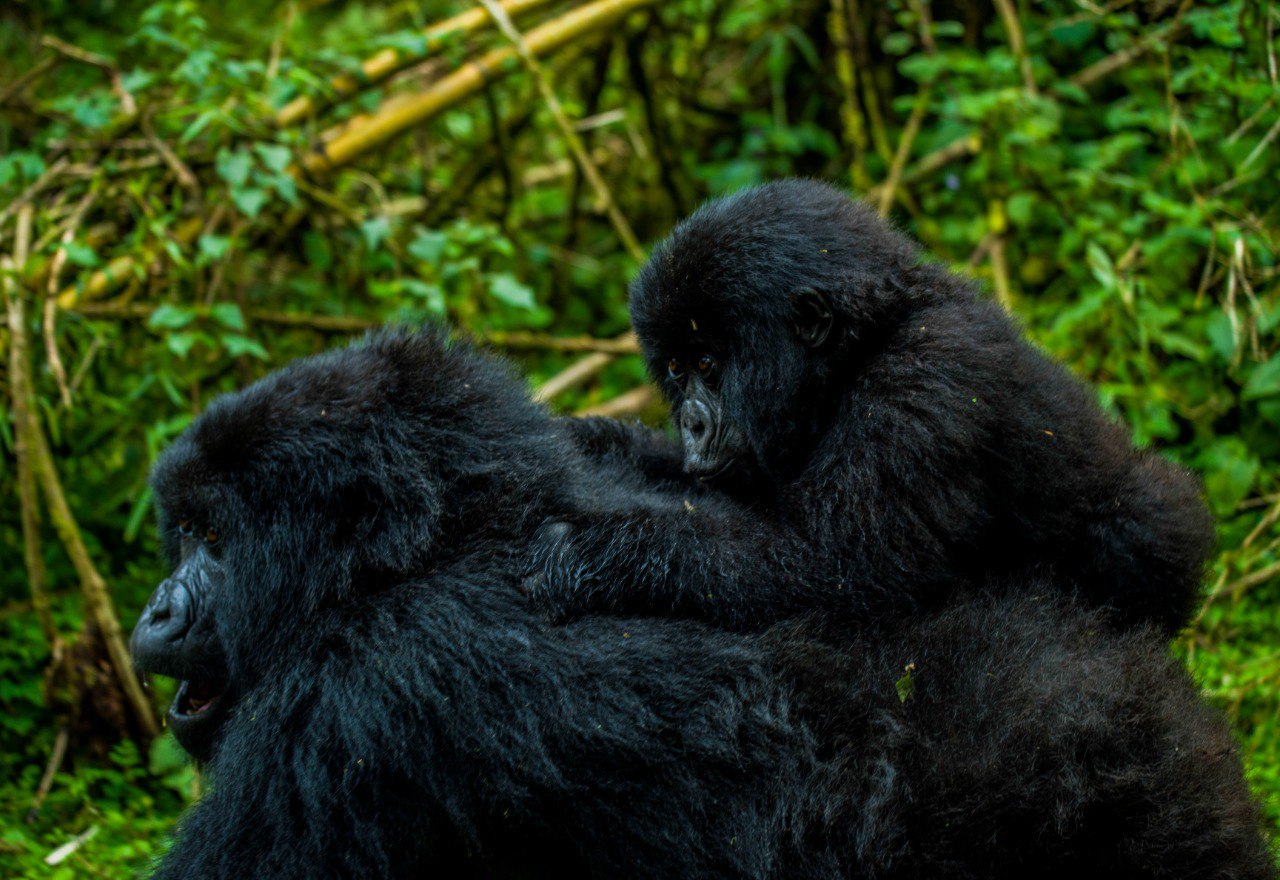
Leave selfie sticks and tripods behind, since they are impractical and not permitted close to the animals during your hour. The aim is to capture the moment quietly without equipment that disturbs the gorillas or slows the group, so keep your setup simple and ready to shoot.
Permit and the Cost of Your Trek
Your gear is a modest cost next to the permit, which is the main expense of the trek at $1,500 per person in 2026. It is worth investing in good boots and a reliable rain jacket so that the conditions do not undermine a once-planned, expensive day.
$1,500 per person in 2026, the main cost of the trek, covering entry, guides, trackers, and one hour with the gorillas.
Around $15 to $20 at the trailhead to carry your daypack and steady you on slippery ground, while supporting local income.
Boots and a rain jacket are the items worth spending on, since they most affect comfort on a wet, steep climb.
Walking poles and sometimes gaiters can often be borrowed at the trailhead, saving you packing them.
Spend where it counts, on footwear and waterproofing, and keep the rest simple. Most of the comfort on a gorilla trek comes from staying dry and sure-footed rather than from carrying more equipment.
What should I wear for gorilla trekking?
Wear sturdy waterproof hiking boots with ankle support, long trousers, and a long-sleeved top to guard against nettles and insects, with a light fleece for the cool start and a brimmed hat. Neutral colours and broken-in boots make the day more comfortable.
Do I need rain gear in the dry season?
Yes. Volcanoes National Park is high-altitude rainforest, so showers can arrive in any month. A rain jacket, waterproof trousers, and dry bags for electronics belong in every pack regardless of the season you trek in.
Why do I need gardening gloves?
Gardening-style gloves let you grab branches, vines, and vegetation on the steep, muddy climb without scratches or stings from nettles and thorns. They are one of the most useful and easily overlooked items for a gorilla trek.
Can I use a camera flash near the gorillas?
No. Flash photography is not allowed near the gorillas, so set your camera to no flash before the trek. Bring a spare battery, since cold and altitude drain them quickly, and leave selfie sticks and tripods behind.
Should I hire a porter?
Hiring a porter for around $15 to $20 is well worth it. A porter carries your daypack, helps steady you on slippery ground, and supports local income, which in turn strengthens community support for gorilla conservation.