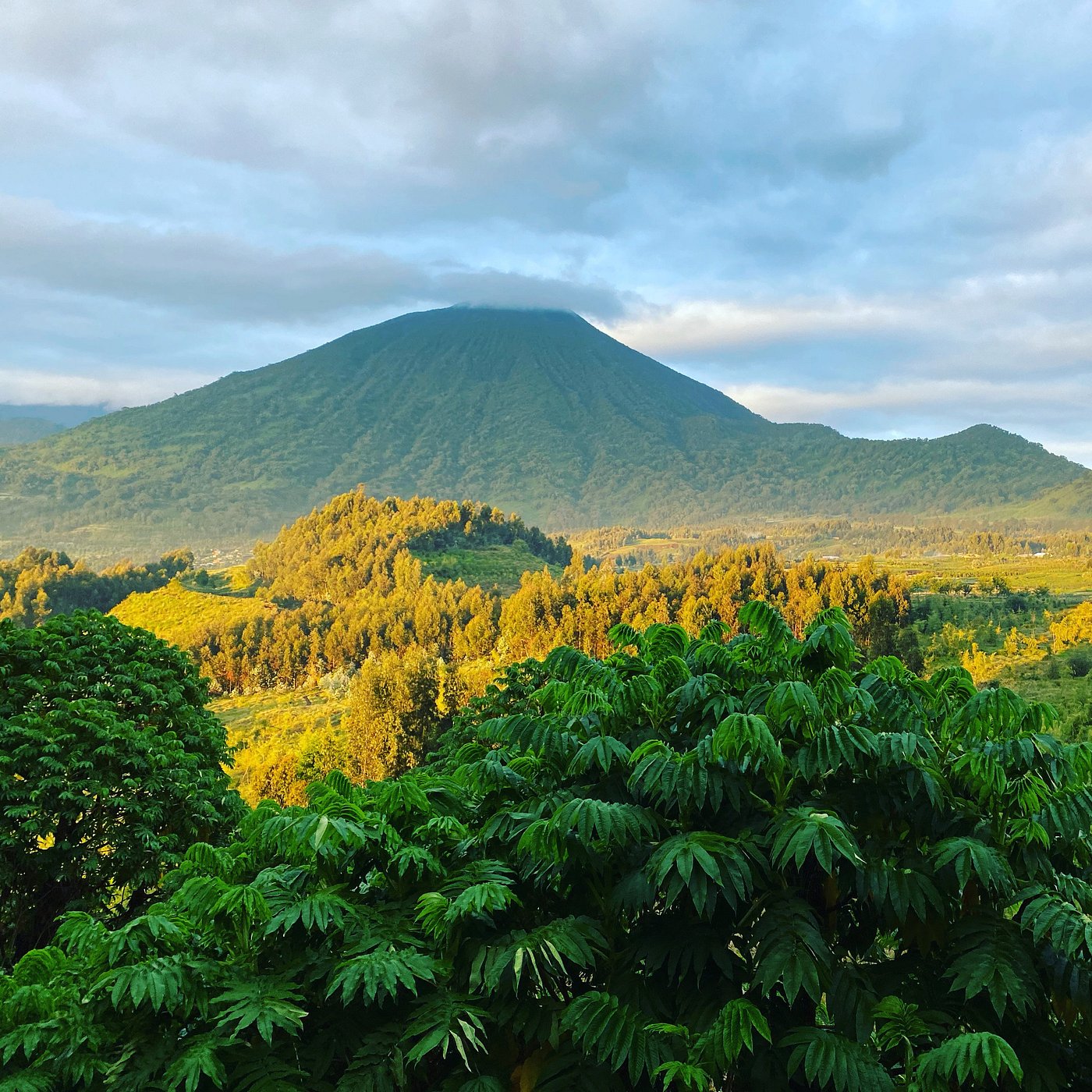
Rwanda gorilla trekking is expensive by most measures, with a $1,500 permit that is the highest of the gorilla-trekking countries and a full trip often running thousands of dollars per person. But the price is deliberate: it funds conservation, limits visitor numbers, and reflects a once-in-a-lifetime experience seeing one of around 1,000 wild mountain gorillas. Whether it is worth it depends on what you value. The trek is in Volcanoes National Park in northern Rwanda near Musanze along the Virunga Mountains.
This guide looks honestly at the cost, why the permit is priced as it is, how Rwanda compares with Uganda, and whether the expense is justified. The short answer is that it is genuinely costly, and also genuinely funds the survival of the species.
Cost is the first thing most people raise about Rwanda’s gorillas, and it deserves a clear, unflinching answer rather than reassurance. The price is real, it is among the highest for any wildlife experience, and for most travellers it represents serious, deliberate saving rather than a casual booking. At the same time, the question of whether something is expensive is not the same as whether it is overpriced, and the two are worth separating. The sections below take the cost at face value and then examine what that money actually does.
Yes, It Is Genuinely Expensive
There is no pretending otherwise: at $1,500 for the permit alone, and a typical trip totalling several thousand dollars per person before international flights, gorilla trekking is among the more expensive wildlife experiences in the world. For many travellers it is a significant, carefully saved-for trip rather than a casual outing.
The permit is also non-refundable if you cancel, which raises the stakes of the spend. So the honest framing is that this is a premium experience with a premium price, and it is reasonable to weigh whether it fits your budget and priorities before committing.
Why the Permit Costs So Much
The high price is a deliberate conservation and management tool. By pricing permits high and capping numbers, Rwanda keeps visitor pressure on the gorillas low while raising substantial funds for their protection. The fee pays for rangers, trackers, veterinary care, and daily monitoring of each family.
A share of the revenue, around 10 percent, also goes to surrounding communities, giving local people a stake in conservation. So the price is not arbitrary: it reflects the real cost of protecting a tiny, vulnerable population and the choice to keep tourism exclusive rather than high-volume.
How Rwanda Compares with Uganda
Rwanda’s permit is the highest of the gorilla countries, with Uganda’s at $800 and the Democratic Republic of Congo’s lower again. On permit price alone, Rwanda is the costliest choice, which leads some budget-focused travellers to Uganda.
Rwanda earns its premium through accessibility: the park is a few hours from Kigali on good roads, the experience is highly polished, and the trek can be done on a short trip. Uganda offers cheaper permits but a longer journey and denser terrain. The right choice depends on whether you value cost or convenience more.
What You Get for the Money
For the price, you get one hour with a wild mountain gorilla family, one of only around 1,000 of these animals on Earth, plus expert guides and trackers, ranger protection, and the knowledge that your fee funds their survival. Many visitors describe it as among the most powerful wildlife experiences of their lives.

You are also paying for scarcity and exclusivity: only a small number of people see the gorillas each day, and the visit is intimate and uncrowded. Seen this way, the cost buys not just an hour but a rare, protected, and deeply personal experience.
Is It Worth It?
Whether the expense is worth it is personal. Travellers who have done it overwhelmingly say yes, describing the hour as memorable and the cost as justified by both the experience and its conservation impact. For a once-in-a-lifetime trip, many find the price reasonable in hindsight.
Others may prefer to direct the money elsewhere, or to choose Uganda for a lower permit. There is no wrong view, but it helps to weigh the cost against the rarity of the experience and the fact that the fee directly supports keeping these animals alive.
The Value Beyond the Price Tag
Part of judging the cost fairly is recognising what the high price prevents as well as what it funds. By keeping permits scarce and expensive, Rwanda avoids the overcrowding that degrades wildlife experiences elsewhere, so you are paying partly for the absence of crowds and the quality of an uncrowded, well-managed hour with the gorillas.
There is also a longer-term value that does not appear on the receipt. The revenue model has helped the mountain gorilla population grow rather than decline, which is a rare outcome for an endangered species. Travellers who weigh the price against that result often conclude that few tourism dollars anywhere are spent to such measurable effect.
Permit and Ways to Soften the Cost
While the permit is fixed at $1,500, there are ways to reduce the total. The low-season rate of $1,050, budget lodging, and public transport all help, and residents and East Africans pay far less.
$1,500 per person in 2026, the highest of the gorilla countries, or $1,050 in the low season with qualifying parks.
Uganda’s permit is $800, cheaper but with a longer journey and denser forest.
Rangers, trackers, veterinary care, and around 10 percent to communities.
Around $500 for residents and rest of Africa, about $200 for East Africans.
So gorilla trekking in Rwanda is expensive, and the expense is real and unavoidable at the core. But it is also purposeful, funding the conservation that has helped the species recover, which for many travellers makes a high price feel like a contribution rather than just a cost.
One more way to frame the cost is to compare it not with other holidays but with other ways of supporting endangered species. A donation of the same size to a conservation charity would do real good but would give you nothing in return; the permit funds comparable work and also buys you an hour beside the animals it protects. That dual nature, part fee and part contribution, is unusual, and it is part of why so many travellers who can afford it conclude that the money is well spent even though the figure is undeniably large.
Whatever you conclude about the price, booking early matters more than agonising over it, since permits for popular dates sell out months ahead regardless of what you are willing to pay.
Is gorilla trekking in Rwanda expensive?
Yes. At $1,500 for the permit alone and a full trip often totalling thousands of dollars per person, it is among the more expensive wildlife experiences in the world. The price is deliberate, funding conservation and keeping visitor numbers low.
Why does the Rwanda permit cost $1,500?
It is a conservation and management tool. The high price caps visitor numbers while funding rangers, trackers, veterinary care, and daily monitoring, with around 10 percent going to communities. It reflects the real cost of protecting a tiny, vulnerable population.
Is Rwanda more expensive than Uganda for gorilla trekking?
Yes. Rwanda’s permit is $1,500 against Uganda’s $800. Rwanda earns the premium through accessibility, with the park a few hours from Kigali and a highly polished experience, while Uganda is cheaper with a longer journey.
Is the cost worth it?
Most travellers who have done it say yes, describing the hour as memorable and the cost justified by both the experience and its conservation impact. It is a personal decision, best weighed against the rarity of the experience and what the fee supports.
How can I make it less expensive?
Use the low-season permit of $1,050, choose budget lodging and public transport, or consider Uganda’s cheaper permit. Residents and East African citizens also pay far less, at around $500 and $200 respectively.