Budgeting for a Rwanda gorilla safari starts with the fixed $1,500 permit, then adds lodging, transport, tips, and any extra activities, giving a realistic per-person total of roughly $2,000 to $2,500 on a budget, $3,000 to $4,000 mid-range, and $6,000 upward for luxury, before flights. Planning each line in advance prevents surprises on an expensive trip. The trek is in Volcanoes National Park in northern Rwanda near Musanze along the Virunga Mountains.
This guide builds a gorilla safari budget from the ground up, line by line, and shows what a trip looks like at each tier. The aim is a realistic total you can plan around, with the levers you control clearly separated from the costs that are fixed.
Start with the Fixed Permit
Every budget begins with the permit, at $1,500 per person in 2026, since it is non-negotiable and non-refundable if you cancel. Treat it as the anchor of your budget and the first thing you secure, because dates sell out and the rest of the trip is built around the day you hold.
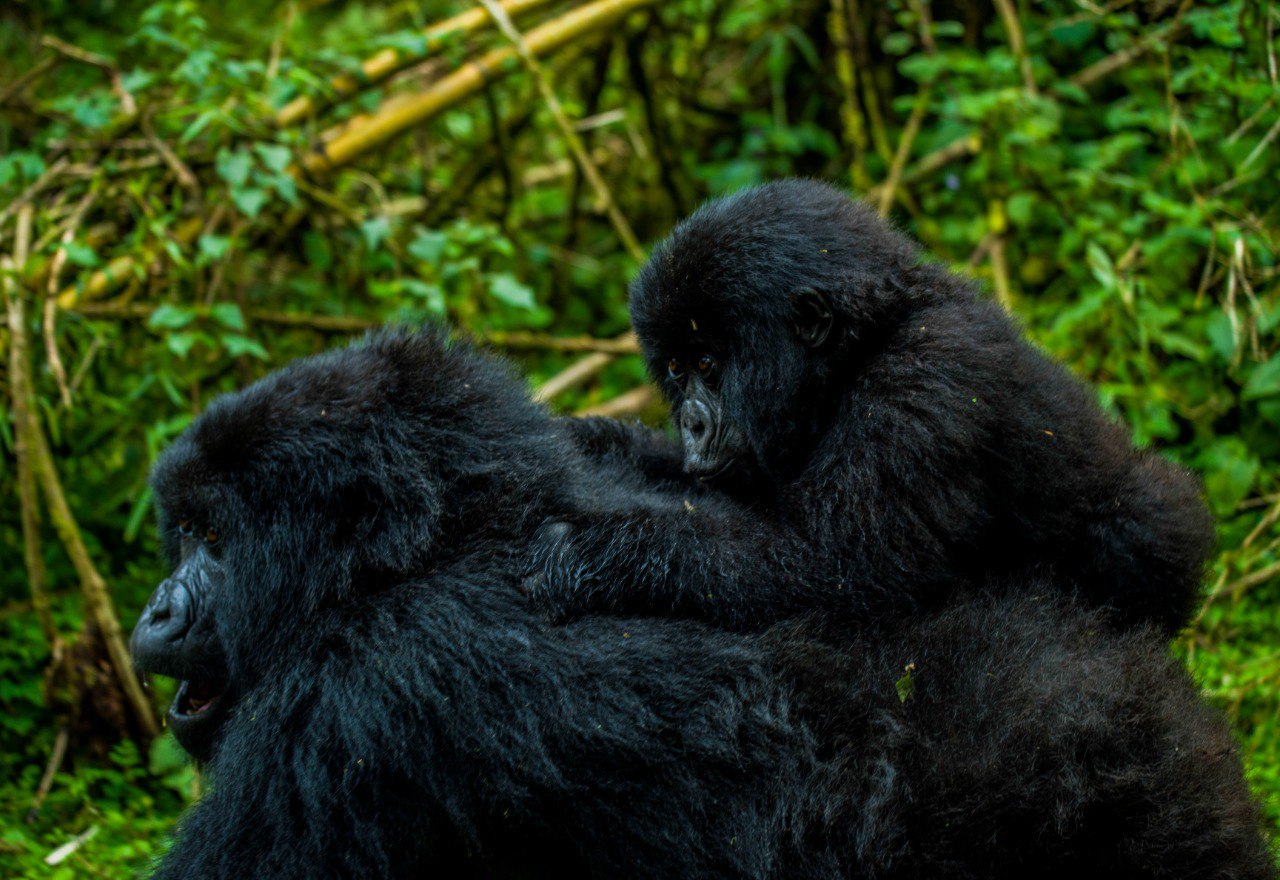
If your dates are flexible, the low-season permit of $1,050 from November to May, available when genuinely combining Akagera and Nyungwe, is the single biggest saving on the whole budget. For residents and East African citizens, the reduced rates of around $500 and $200 change the picture entirely. Whatever rate applies to you, secure the permit before booking flights, since a permit tied to a specific date that you cannot move is the fixed point the rest of the budget and itinerary must accommodate.
Budget the Accommodation Realistically
Lodging is the line you most control. A budget guesthouse over three nights might total a few hundred dollars, a mid-range lodge around a thousand, and a luxury lodge several thousand per person. Decide your tier early, since it drives the overall total more than any other choice.
Remember to budget for the night before the trek, which is effectively required given the early briefing, and for any extra nights if you are doing a second trek or other activities. Confirm whether rates include meals, since at a remote lodge that can be a significant hidden line if you assume wrongly. A useful rule is to count nights rather than days when budgeting lodging, since a three-night stay around a single trek is the realistic minimum, and each added activity or second trek tends to add another night to the total.
Factor in Transport
Transport from Kigali ranges from a few dollars on a public bus to a mid-range private transfer to thousands for a helicopter. For most visitors a private transfer, often bundled into a tour, is the practical middle, and self-drivers should budget vehicle hire and fuel with a four-wheel drive in mind.
Within the region, add the cost of the final leg from Musanze to Kinigi if using public transport, and any transfers between activities or parks. Transport is a smaller line than lodging for most trips, but it is easy to underestimate if you only budget the headline Kigali-to-park leg.
Don’t Forget Tips and Extras
Set aside a few hundred dollars for tips and incidentals. A porter is around $15 to $20, tips for guides and trackers are customary, and meals outside your lodge rate, drinks, souvenirs, and a Rwandan visa for many nationalities all add up. These small lines are routinely left out of first drafts of a budget.
Carry enough small US dollar bills for porters, tips, and purchases, since cards are not accepted everywhere near the park. Building a sensible buffer for extras prevents the common experience of a budget that covers the big items but runs short on the day-to-day costs. As a rough guide, many visitors find that tips and incidentals across a short trip come to somewhere between $100 and $300 per person depending on how many porters and guides they use and how generously they tip, so setting that aside from the start keeps the trip comfortable.
Price In Any Add-On Activities
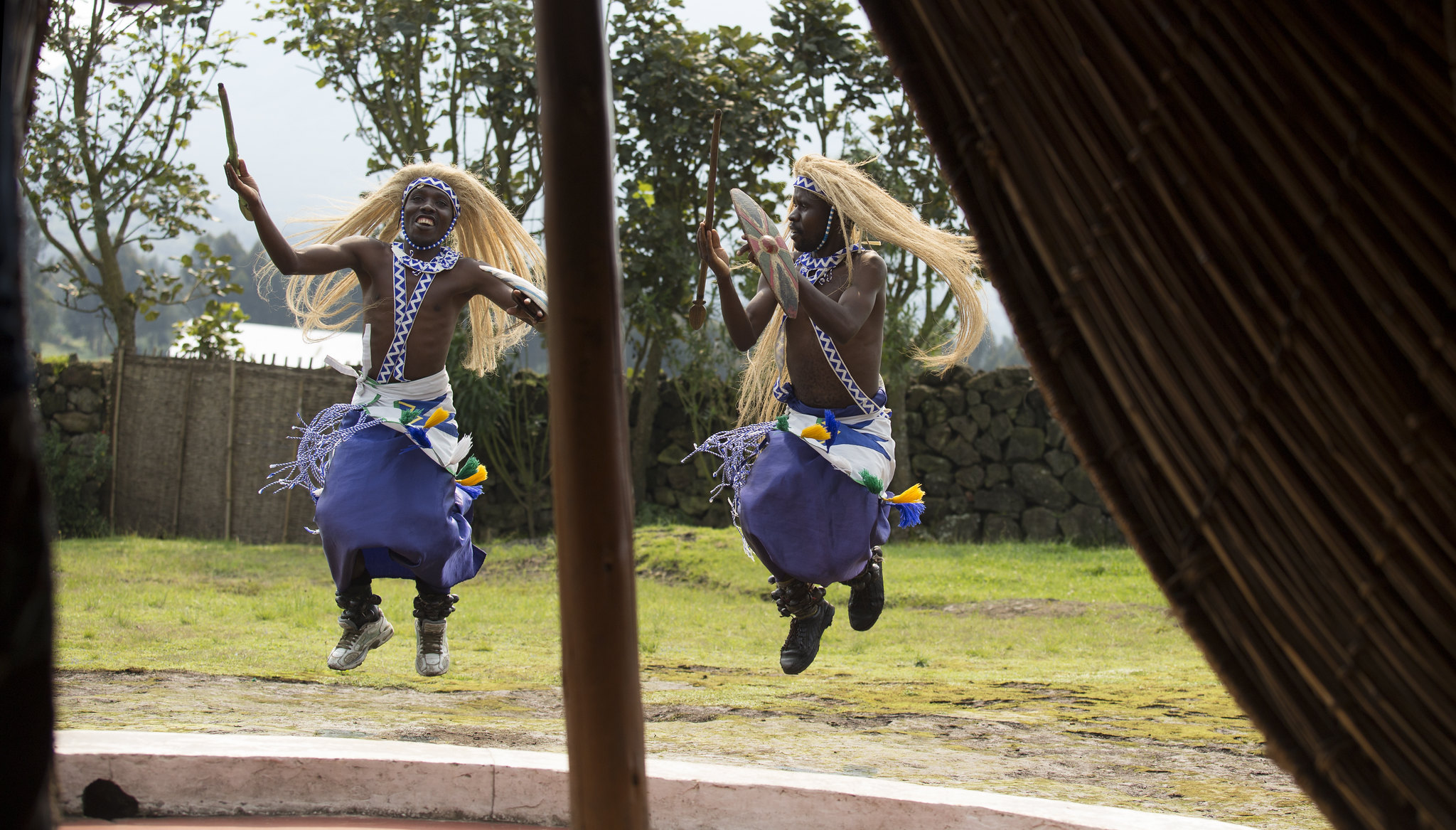
If your trip includes more than one activity, price each separately. Golden monkey tracking is about $100, the Dian Fossey hike and Bisoke climb around $75 each, the Karisimbi climb about $400, and a cultural village roughly $30 to $40. A second gorilla trek is another full $1,500 permit.
These choices shape both the cost and the richness of the trip. Decide which add-ons matter to you and build them into the budget from the start, rather than discovering them as unplanned spending once you arrive and see what is on offer. The golden monkey trek in particular is a popular, low-cost addition that many budget travellers slot in alongside the gorillas for a fuller two-activity trip.

Sample Budgets at Each Tier
As a rough per-person guide for a short one-trek trip before flights: a budget trip lands around $2,000 to $2,500, a mid-range trip around $3,000 to $4,000, and a luxury trip from roughly $6,000 upward. The permit is constant across all three; the spread comes from lodging, transport, and extras.
Longer trips, second treks, and combining other parks raise these figures but can also unlock the low-season permit discount. Adjust the sample budgets to your own choices, and remember that international flights to Kigali sit on top and vary widely by where you start. A realistic planning approach is to set your tier first, build the fixed and variable lines around it, then add a contingency of perhaps ten percent for the incidentals and small upgrades that almost every trip accumulates once you are on the ground.
Permit and Pulling the Budget Together
The permit is the fixed centre of any gorilla safari budget, and a clear plan around it turns an intimidating total into a series of manageable decisions. Budget the permit first, choose your lodge tier, then layer in transport, tips, and activities.
$1,500 per person in 2026, the fixed anchor; $1,050 in the low season with qualifying parks.
From a few hundred dollars budget to several thousand luxury over three nights, the main variable.
Transfers, porter, tips, meals, and a visa, often a few hundred dollars combined.
Golden monkeys about $100, other hikes $75, a second trek another $1,500.
With each line planned, you will know your realistic total before you commit, and you can flex the lodge tier and add-ons to fit your budget. The gorillas are the same for everyone; the budget simply decides the comfort and breadth of the trip around them.
How much should I budget for a Rwanda gorilla safari?
As a rough per-person guide before flights: around $2,000 to $2,500 on a budget, $3,000 to $4,000 mid-range, and $6,000 upward for luxury. The $1,500 permit is fixed; lodging, transport, tips, and add-ons make up the rest.
What is the biggest cost in a gorilla safari budget?
After the fixed $1,500 permit, accommodation is the largest and most variable cost, ranging from a few hundred dollars over three nights at a budget guesthouse to several thousand at a luxury lodge. It drives the total more than any other line.
How can I reduce my gorilla safari budget?
Choose a budget or mid-range lodge, use public transport with a lodge transfer, and if your dates are flexible, claim the $1,050 low-season permit by genuinely combining Akagera and Nyungwe in the November to May window. Lodging and the permit discount offer the biggest savings.
What costs do people forget to budget for?
Tips and incidentals: the porter at $15 to $20, gratuities for guides and trackers, meals outside the lodge rate, drinks, souvenirs, and a visa for many nationalities. These small lines add up to a few hundred dollars and are often left out of first budgets.
Do I need cash for a gorilla safari?
Yes. Carry enough small US dollar bills for porters, tips, and purchases near the park, since cards are not accepted everywhere. A buffer of a few hundred dollars in cash prevents the common problem of a budget that covers big items but runs short on daily costs.