A gorilla permit is just the USD 1,500 ticket to trek, while a safari package bundles that permit with transport, lodging, meals, and guiding into one priced trip. Both get you to the gorillas in Volcanoes National Park, but they suit different travellers. The permit alone leaves you to arrange everything else, whereas a package hands the logistics to an operator for a higher total price.
Choosing between them comes down to how much you want to organise yourself versus pay someone to handle. This article lays out what each option includes, what it costs, and who each one fits best.
What the Permit Alone Covers
Buying only the permit gets you the core trekking entitlement: park entry, a guide, the ranger escort, the trackers, one hour with a habituated family, and a certificate. At USD 1,500 for foreign non residents, it is the indispensable item, the one thing you cannot trek without.
What it does not cover is everything around the trek. Getting from Kigali to Musanze, somewhere to sleep, meals, a porter, and tips are all on you to arrange and pay separately. The permit is the centre of the trip, not the whole of it.
What a Safari Package Covers
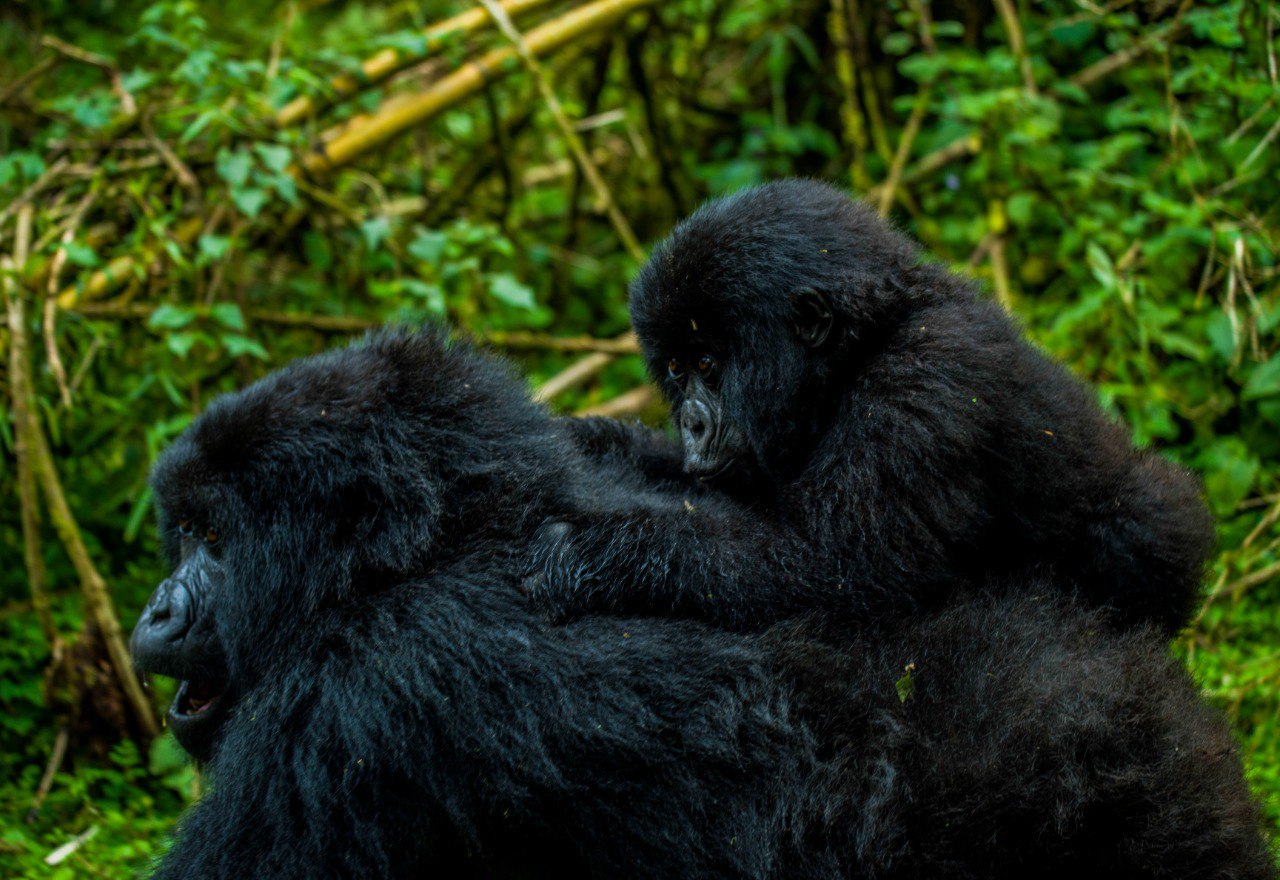
A safari package wraps the permit inside a managed trip. A typical package includes the permit, return transport from Kigali in a private vehicle, lodging near the park, meals, a driver guide, and often the trek day logistics handled end to end. Some extend to extra activities such as golden monkey tracking or a visit to other parks.
The appeal is simplicity. You pay one price and the operator coordinates the moving parts, from your 7:00 a.m. arrival at Kinigi to where you sleep the night before. For visitors short on time or planning energy, that coordination is the whole point.
Permit Only vs Package Compared
The grid below sets the two options side by side across the things that matter most. Figures reflect 2026 pricing.
Comparing the True Cost
The sticker prices can mislead. A permit at USD 1,500 looks far cheaper than a package, but once you add private transport, a night or two of lodging, meals, and a guide, the gap narrows. The honest comparison is permit plus all your self arranged extras against the package’s single figure.
Packages can sometimes match or beat a do it yourself trip on value, because operators negotiate vehicle and lodge rates you cannot. Budget travellers using public transport and simple guesthouses will still spend less alone, while those wanting comfort often find the package competitive once everything is counted.
Which Option Fits You
Pick the permit alone if you enjoy planning, want full control over where you stay and how you travel, and are comfortable handling an early start and rural logistics. It rewards independent travellers and those keeping costs down, especially anyone already moving around Rwanda on their own terms.
Choose a package if your time or energy is limited, this is your first trip to the region, or you simply want the trek to run without you managing it. The premium buys peace of mind, coordination, and a single point of contact if anything needs adjusting.
Permit and Package Costs in 2026
These figures anchor either choice. The permit fee is fixed; the package adds services around it.
USD 1,500 per person, the same whether bought alone or inside a package.
USD 500, with East African citizens at USD 200.
Transport, lodging, meals, a porter near USD 20, and tips, all added on top when going permit only.
The permit plus bundled services, ranging widely with comfort level and trip length.
What a Typical Package Itinerary Looks Like
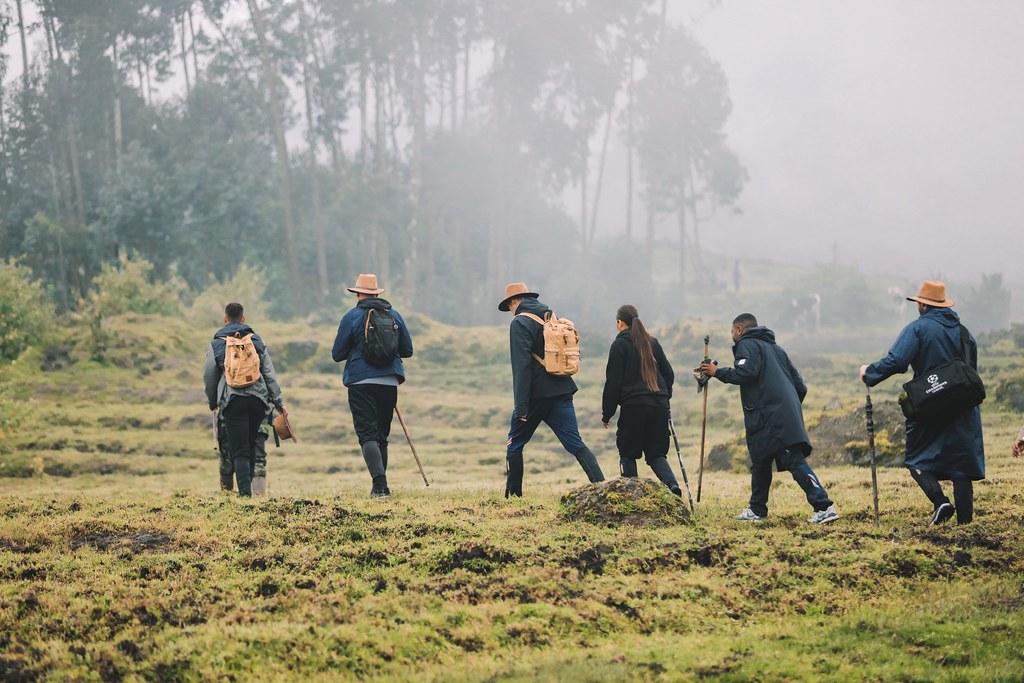
To picture the package option, consider a short, common itinerary. You are collected in Kigali and driven two to three hours to a lodge near Musanze, arriving in time to settle before an early night. The next morning the package covers your transfer to Kinigi for the 7:00 a.m. briefing, the trek, and the return to your lodge, with meals included throughout.
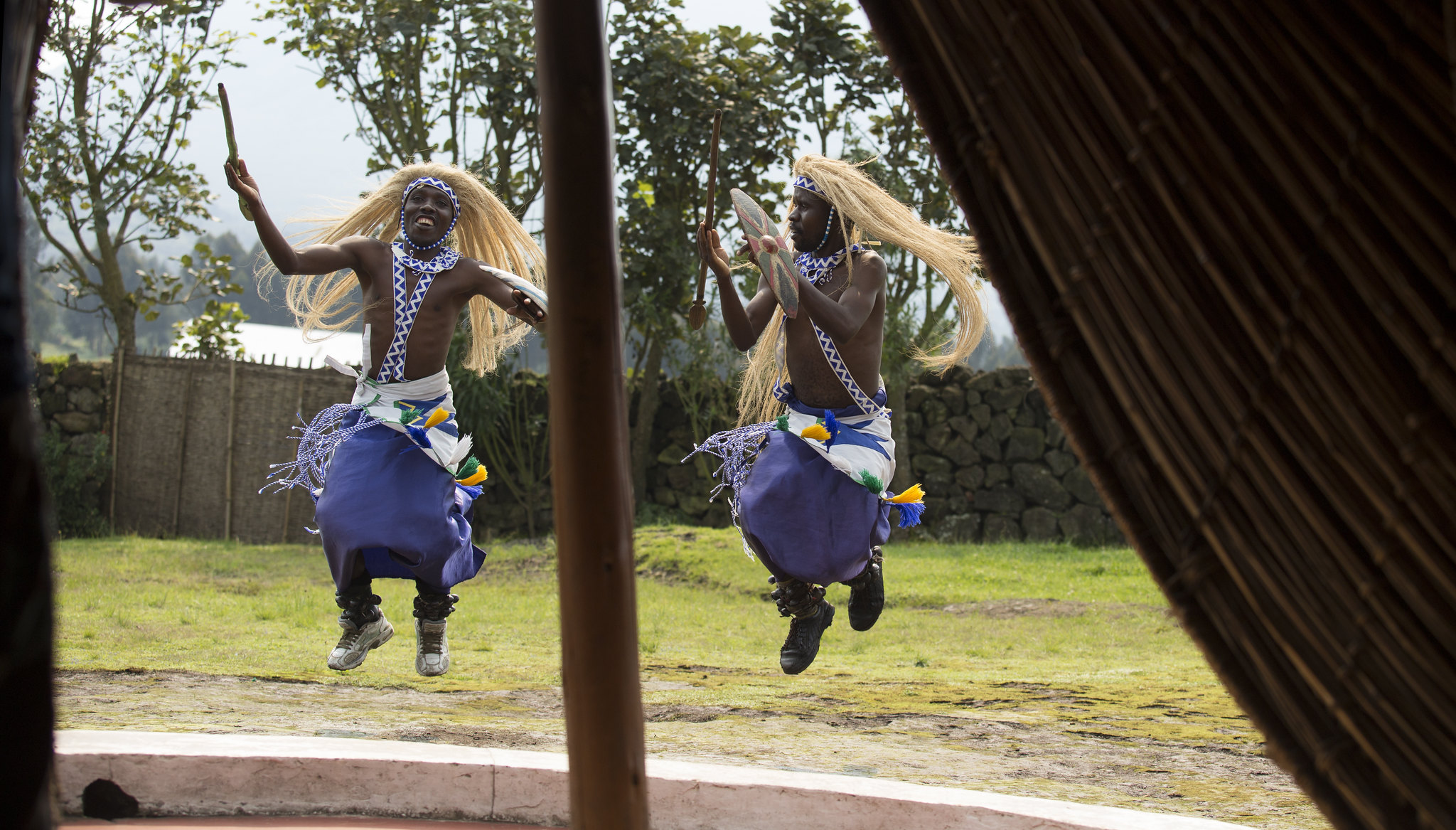
Longer packages stretch this into several days, adding golden monkey tracking, a volcano hike, a cultural visit, or time at another park such as Akagera or Nyungwe. The permit sits at the centre while the operator threads everything else around it. This is the version of a gorilla trip most first time visitors recognise, and it is built for people who want to arrive, trek, and leave without managing the pieces.
Hidden Costs to Watch in Both Options
Whichever route you choose, a few costs hide in the gaps. With a permit only trip, the easy ones to forget are the porter at around USD 20, tips for rangers, trackers, and drivers, bottled water and snacks, and the fuel or fare for the round trip from Kigali. Individually small, together they reshape a budget built around the permit alone.
With a package, the trap is assuming everything is covered. Read the inclusions carefully, because items like international flights, visas, travel insurance, premium drinks, tips, and optional extra activities are often excluded. A package labelled all inclusive may still leave gratuities and personal spending to you. In both cases, the fix is the same: list every likely cost before you commit, so the final figure holds no surprises.
Making the Decision With Confidence
A simple test settles most choices. Add up a realistic permit only trip, including transport, a night or two of lodging, meals, the porter, and tips, then compare it against a package quote with matching comfort. If the numbers are close, the package usually wins on convenience. If you can travel more simply and enjoy organising, the independent route saves money.
Consider your time and appetite for logistics as much as the money. A traveller with a tight schedule, a first visit to the region, or no wish to coordinate rural transport will value a package highly. A confident, budget aware traveller already exploring Rwanda will often prefer the freedom of buying the permit and building the day themselves. Neither is wrong; the right answer is the one that matches how you like to travel.
Questions to Put to an Operator
If you lean toward a package, a few direct questions reveal its true value. Ask exactly what the permit costs within the quoted price, so you can separate the permit from the service margin. Ask which meals, transfers, and activities are covered, and which common items, such as tips, drinks, travel insurance, and international flights, are left out. The gap between a vague quote and a clear one often reflects how the trip itself will be run.
Probe the practical details too. Confirm the standard of vehicle and lodging, whether the trek day transfer to Kinigi is included, and how the operator handles a sold out date or a request to reschedule. Check that they are properly licensed and that permits are tied to your passport. A confident, specific set of answers is a good sign, while evasiveness on price breakdown or licensing is a reason to look elsewhere. These questions cost nothing and protect both your budget and your trip.
Frequently Asked Questions About Permit vs Package
Is the gorilla permit included in a safari package?
Yes. A package bundles the USD 1,500 permit with transport, lodging, meals, and guiding into one price.
Is it cheaper to buy the permit alone?
On paper yes, but once you add your own transport, lodging, and meals, the gap to a package narrows. Budget travellers still spend less alone.
What does the permit alone not cover?
Transport to the park, accommodation, meals, a porter, and tips, all of which you arrange and pay separately.
Who should choose a package?
Time poor or first time visitors who want the logistics handled and a single point of contact for the trip.
Can I add other activities to a package?
Yes. Many packages include extras like golden monkey tracking or visits to other Rwandan parks alongside the gorilla trek.
Can I add a permit to a package I am already booking?
Yes. Operators routinely fold the permit into a wider Rwanda itinerary, handling the booking with the board as part of the overall trip.
Which option is better for a solo traveller?
A solo traveller comfortable with logistics can save by buying the permit alone, while those wanting company and ease often prefer a small group package.