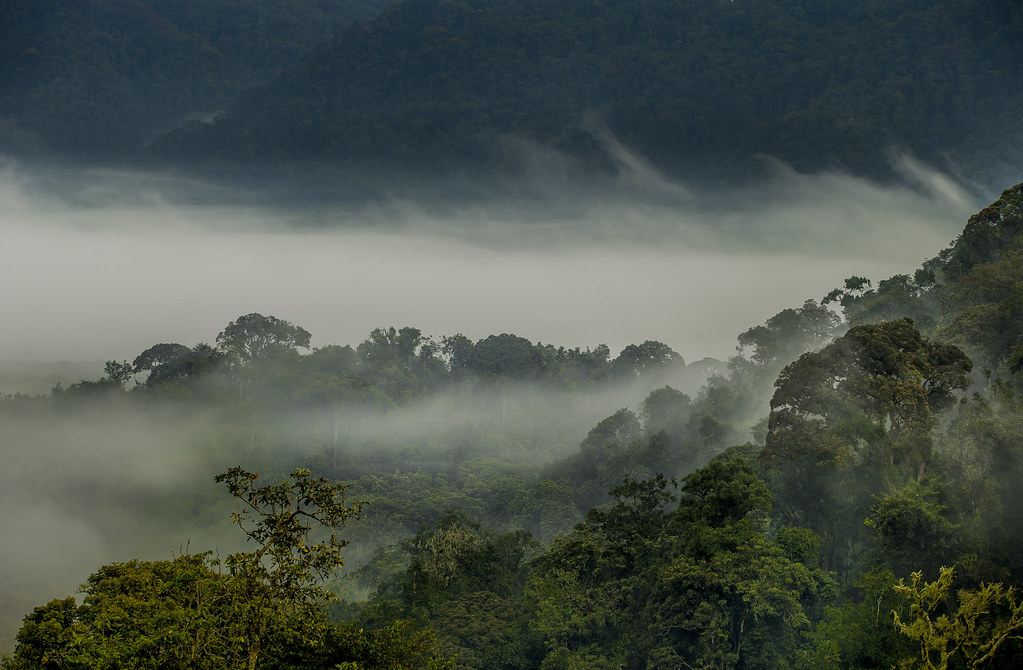
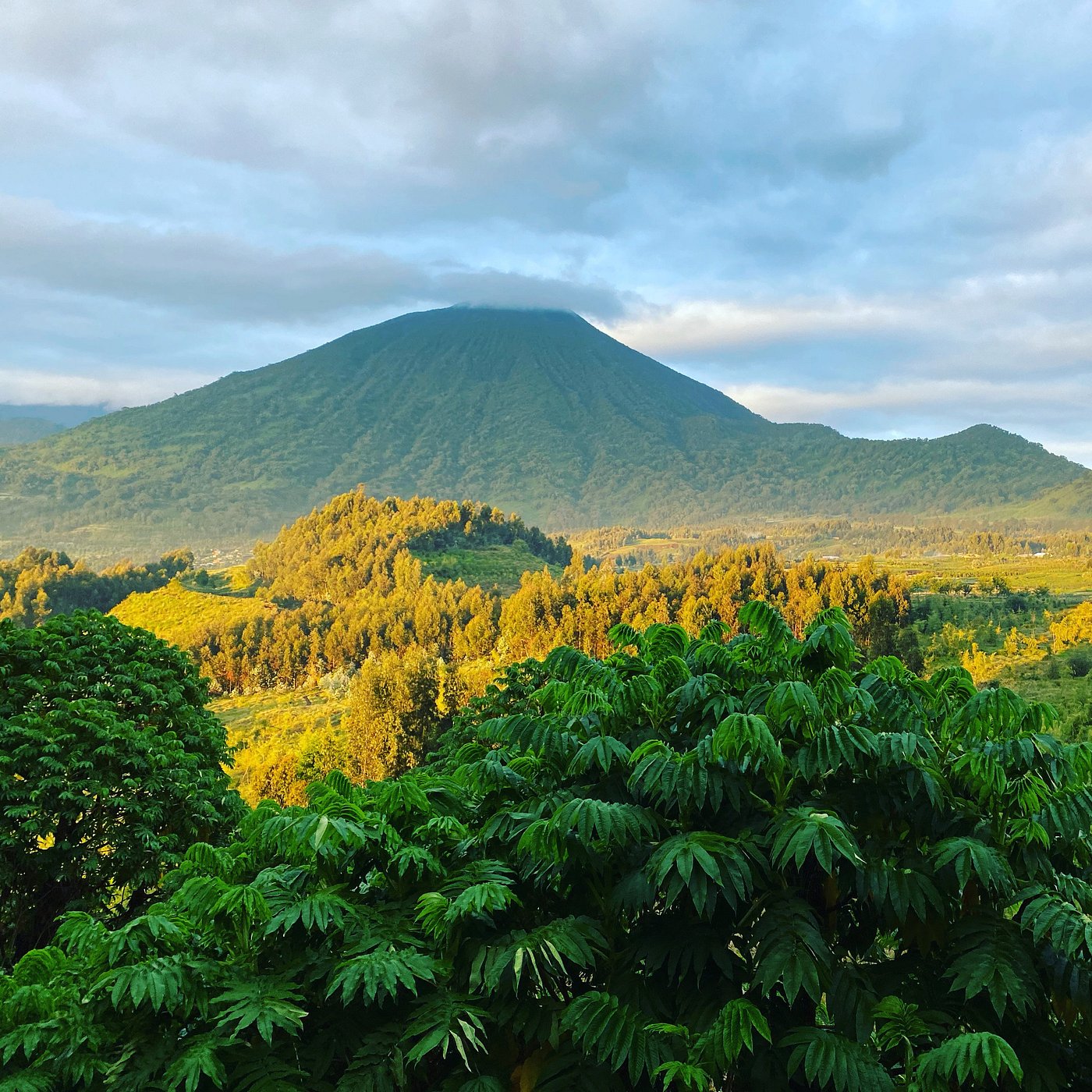
Gorilla trekking during the dry season in Rwanda means the two driest stretches of the year, June to September and December to February, when the trails in Volcanoes National Park are firmest and the climb is easiest. These are the most popular and most comfortable months to trek, with the trade-off of higher demand and permits that sell out far ahead. The permit is $1,500 in 2026. Volcanoes National Park lies in northern Rwanda near Musanze along the Virunga Mountains.
This guide covers which months count as dry season, what the conditions are like, the real advantages, and the downsides of crowds, cost, and booking pressure, so you can decide whether the dry season fits your trip. Gorillas are seen year-round, so this is about comfort and logistics rather than success rates.
Which Months Are the Dry Season in Rwanda
Rwanda has two dry seasons. The long dry season runs from June to September and is the longer, more reliable of the two, widely treated as the peak trekking period. The short dry season covers December to February, a shorter window of settled weather between the two rainy spells.
Because Volcanoes National Park is high-altitude rainforest, dry season does not mean no rain. Light showers can still arrive in any month, so the term describes lower rainfall and firmer trails rather than guaranteed sunshine. Even so, the difference in trail conditions between these months and the wet season is substantial.
What Conditions Are Like in the Dry Season
The defining feature is the firmer ground. With less rain, the steep forest trails are far less muddy and slippery, which makes the climb to the higher-ranging families noticeably more manageable. The undergrowth also thins slightly, improving visibility on the approach and the chance of clearer views.
Temperatures stay mild, cooler at altitude, and the more stable weather makes the whole day run more predictably, from the drive up to the trek itself. For visitors worried about the physical side of trekking, the dry season removes the single biggest variable that makes a hike harder. Trackers still set out at dawn to locate each family, and the gorillas move as they always do, but the firmer ground means the walk to reach them is rarely as punishing as a wet-season equivalent on the same slopes. That predictability is a large part of why operators steer first-time and less experienced trekkers toward these months.
It is worth keeping expectations realistic even so. Dry season is a matter of degree, not a guarantee, and a passing storm can churn a trail to mud within an hour at this altitude. The advantage is that the ground dries again far faster than it does in the wet months, so a brief shower rarely defines the whole day.

The Advantages of Trekking in the Dry Season
The biggest advantage is the easier hike. Firmer trails reduce the effort and the risk of slips, which matters most for the steeper families on Bisoke, Karisimbi, and Muhabura. For older visitors or anyone unsure about fitness, the dry season widens the range of families they can comfortably attempt.
Beyond the trail, the stable weather makes logistics smoother and photography clearer, and the lively park atmosphere appeals to visitors who enjoy a sense of shared occasion. If your priority is comfort and predictability, these months deliver both.
The Downsides of the Dry Season
The dry season is the busiest and most expensive time to visit. Permits are capped at eight visitors per family per day, and in July and August they sell out many months and sometimes nearly a year ahead. Lodges fill too, and prices for accommodation tend to be at their highest.
You will also share the experience with more people, both on the trails and at the briefing, and you miss the low-season permit discount available in the wetter months. For budget-focused or solitude-seeking visitors, these are real costs that can outweigh the easier walking.
Permit Cost in the Dry Season
The permit price is the same year-round at $1,500 per person in 2026, but the dry season is the one stretch where the low-season discount does not apply. The fee covers entry, guides, trackers, and the one-hour visit, and excludes lodging, transport, and tips.
$1,500 per person, the rate in effect through the dry-season months for international visitors.
The $1,050 rate applies only November to May, so dry-season treks pay the full fee.
Peak demand pushes accommodation prices up, especially in July and August.
Secure permits and lodges several months to a year ahead to avoid missing out.
In effect, the dry season costs more not through the permit but through full-price lodging and the lost discount. Budget for the season you choose, since the gap between peak and off-peak can be significant across a whole trip.
What to Pack for a Dry-Season Trek
Even in the dry months, pack as if rain is possible, because the rainforest can deliver a shower at any time. Sturdy boots with ankle support and good grip, a light rain jacket, and layers for the cool altitude cover the basics, along with gardening-style gloves for grabbing vegetation and long sleeves against stinging plants.
The firmer ground means you are less likely to need the heaviest waterproofing, but a daypack with water, sunscreen for the clearer skies, and a hat still earns its place. A porter at the trailhead carries your pack and supports local income whatever the season.
Is the Dry Season Worth It?
For most first-time visitors who can book ahead, yes. The easier trails and reliable weather remove much of the uncertainty from a once-planned trip, and the higher cost and crowds are a fair trade for that comfort. If a smooth, predictable experience matters most, the dry season is the safe choice.
If you are working to a budget, value quiet trails, or are confident on muddy ground, the wet season may suit you better, with its discount and solitude. The right answer depends on your priorities, since the gorillas themselves are there to be seen in either season. As a rough rule, the dry season favours comfort and certainty while the wet season favours cost and quiet, and neither is wrong.
Think too about the families you hope to reach. If you are drawn to the high, demanding groups on Karisimbi or Susa, the dry season’s firmer ground makes a hard trek meaningfully safer and more achievable, which tips the balance toward the peak months for that goal specifically.
When is the dry season for gorilla trekking in Rwanda?
There are two dry seasons: the long dry season from June to September and the short dry season from December to February. The June to September window is the longer and more reliable of the two and is treated as the peak trekking period.
Is the dry season the best time to trek gorillas?
It is the most comfortable, with firmer trails and the most stable weather, which makes the climb easier. Whether it is best for you depends on priorities, since it is also the busiest and most expensive time and misses the low-season permit discount.
Does it still rain during the dry season?
Yes, light showers can occur in any month because the park is high-altitude rainforest. Dry season means lower rainfall and firmer trails rather than guaranteed sunshine, so rain gear is still worth packing.
Is the permit more expensive in the dry season?
The permit is the same $1,500 year-round, but the dry season does not qualify for the $1,050 low-season rate available November to May. Lodge prices also tend to be highest in the peak dry months.
How far ahead should I book a dry-season trek?
Book several months to as much as a year ahead, especially for July and August. Permits are capped at eight visitors per family per day and sell out early, so securing them is the first planning step.