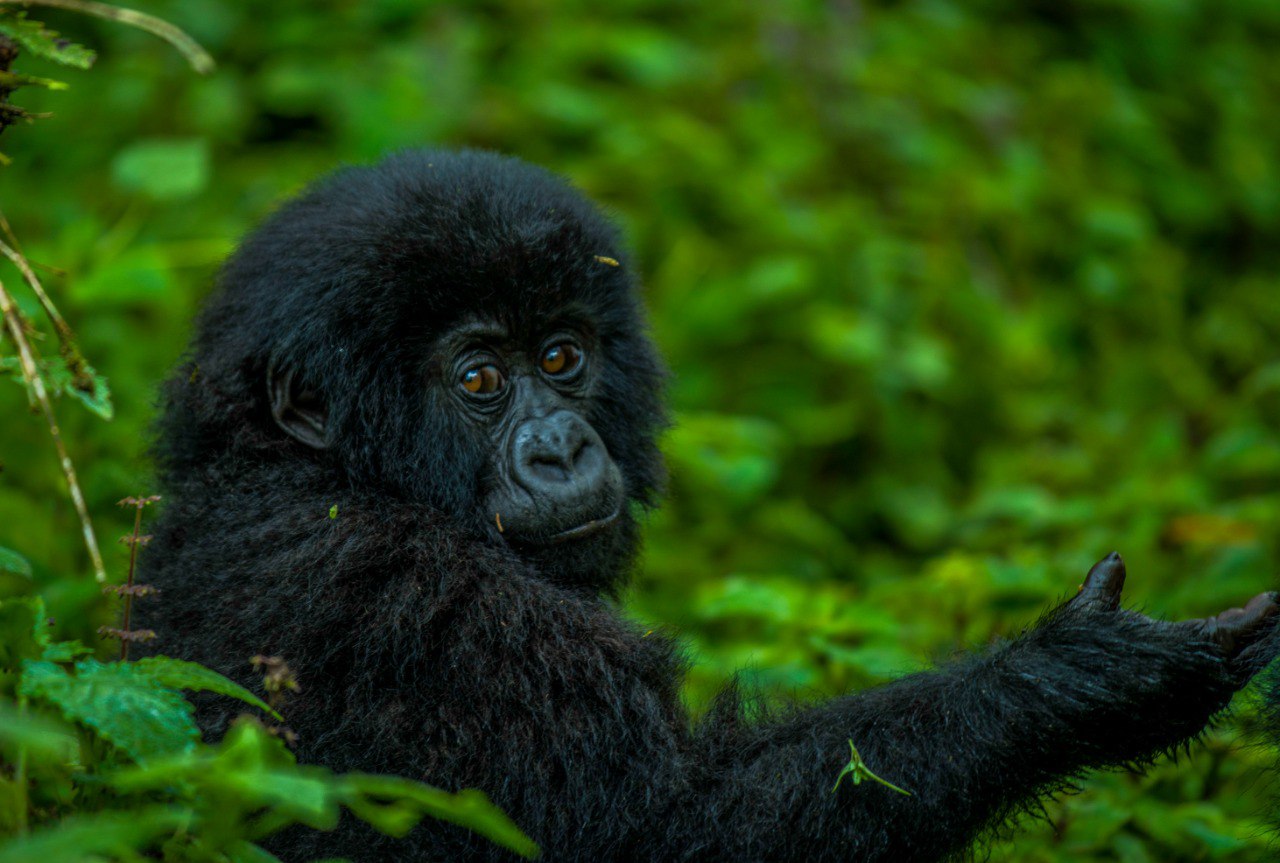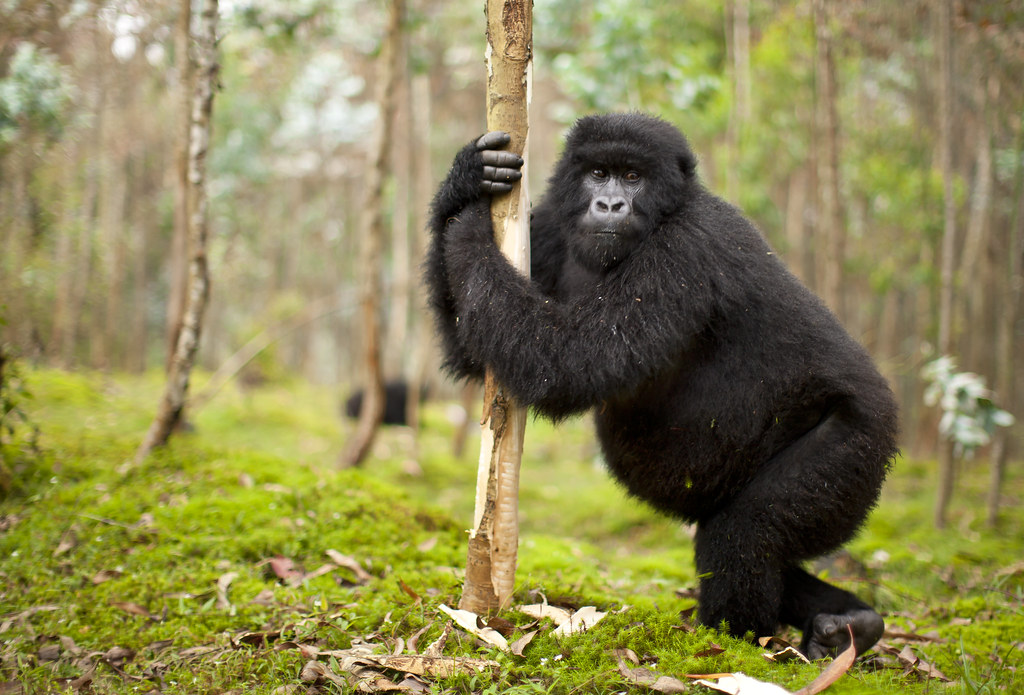
Rwanda is famous for gorilla trekking because it offers the most accessible mountain gorilla viewing in the world, a short two to three hour drive from Kigali to Volcanoes National Park, paired with a long conservation legacy that began with Dian Fossey. The country protects roughly a third of the planet’s mountain gorillas across about 12 habituated families, and its premium 2026 permit price of USD 1,500 reflects a deliberate low-volume model. This reputation rests on access, conservation success, and the polished way the experience is run.
Mountain gorillas live in only two places on Earth, and Rwanda holds one of them. The fame is not marketing. It is built on a measurable population recovery, the easiest logistics on the continent, and a research history that put these animals on the global map.
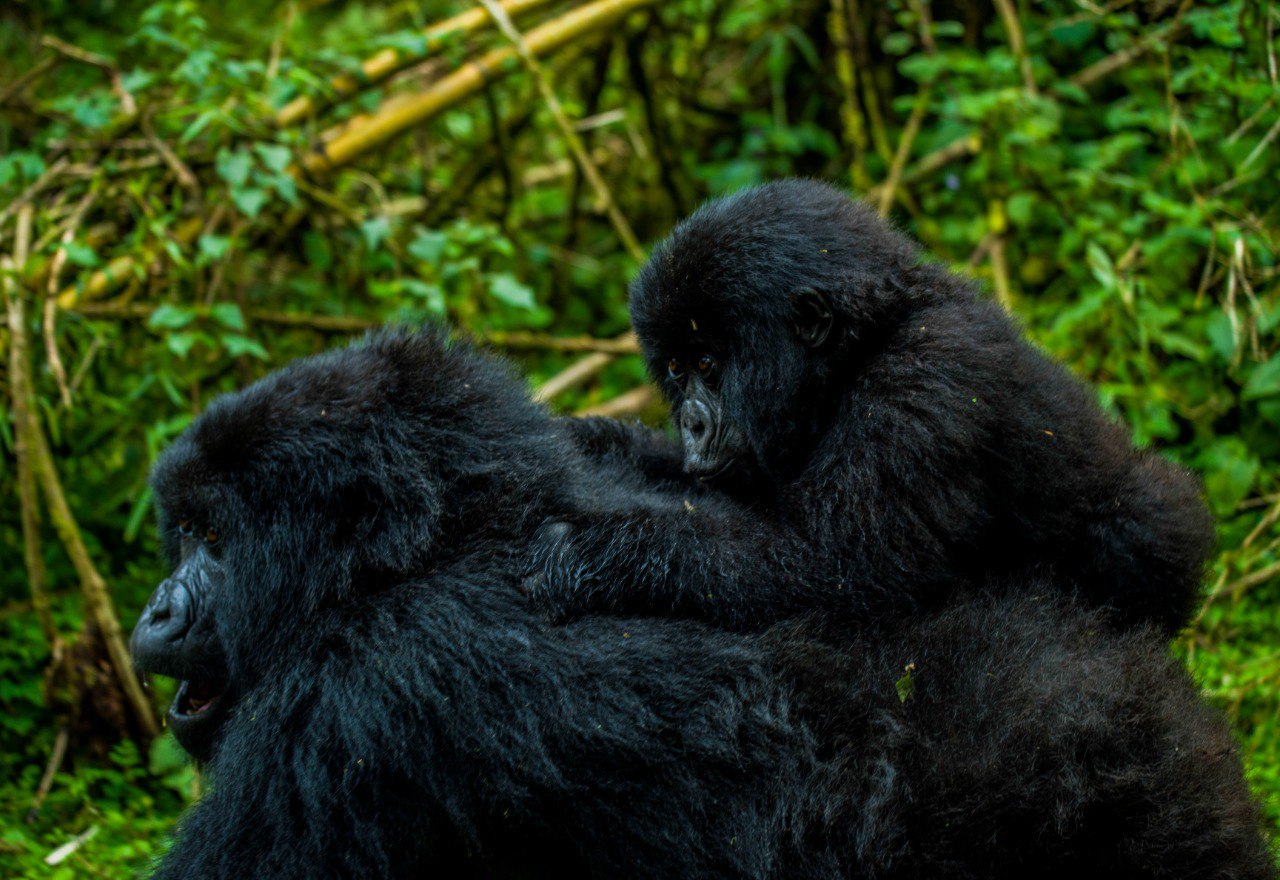
Rwanda Offers the Most Accessible Gorilla Trekking in Africa
The single clearest reason for Rwanda’s fame is access. Volcanoes National Park sits two to three hours by sealed road from Kigali International Airport, so a visitor can land, transfer the same day, and trek the next morning. No other mountain gorilla destination is reached so quickly. In neighbouring Uganda, Bwindi Impenetrable National Park usually means an eight to ten hour drive from the capital or an additional domestic flight.
That short transfer makes Rwanda the practical choice for travellers on a tight schedule or those combining gorillas with a wider East African trip. It also suits older or less mobile visitors who would struggle with long overland days. The trekking terrain itself tends to be more open, with bamboo and shorter vegetation that often makes the gorillas easier to photograph than in denser forests.
The Dian Fossey Legacy Built Rwanda’s Gorilla Fame
Rwanda’s gorillas were introduced to the world largely through one person. In 1967 the American primatologist Dian Fossey founded the Karisoke Research Center between Mount Karisimbi and Mount Bisoke, and she lived among the gorillas for 18 years. Her observations of their social bonds, vocalisations, and behaviour reshaped how science understood great apes.
Her book Gorillas in the Mist and the film that followed turned Volcanoes National Park into a recognised name far beyond Africa. Fossey was murdered at Karisoke in December 1985, and she was buried beside her favourite silverback, Digit. The research and anti-poaching work she started continues today under the Dian Fossey Gorilla Fund, whose trackers monitor roughly half of Rwanda’s gorilla families every day. That continuous, decades-long study is a large part of why Rwanda is associated with gorillas at all.
A Conservation Success Story That Drew Global Attention
Rwanda’s fame is tied to one of conservation’s clearest recoveries. In the early 1980s the mountain gorilla population in the Virunga mountains had fallen to around 242 individuals, and the species was widely expected to disappear. Through sustained protection, the most recent full census put the global mountain gorilla total at about 1,063 individuals, with roughly 604 living across the Virunga Massif shared by Rwanda, Uganda, and the Democratic Republic of Congo.
Mountain gorillas are the only great ape whose numbers have risen in recent decades. They cannot survive in captivity, so every individual lives in the wild, which makes the recovery entirely a product of habitat protection and anti-poaching work. Rwanda’s slice of that success, anchored at Volcanoes National Park, gives the country a conservation story that travellers and media return to repeatedly.
The Kwita Izina Naming Ceremony Keeps Rwanda in the Spotlight
Since 2005 Rwanda has held Kwita Izina, an annual ceremony that names the gorilla infants born in Volcanoes National Park over the previous year. Modelled loosely on the Rwandan tradition of naming a newborn child, the event draws conservationists, officials, and visitors, and it doubles as a public record of how many gorillas have been added to the population.
The ceremony has become a fixture of Rwanda’s tourism calendar and a recurring international news item. It frames gorilla conservation as a national point of pride rather than a niche scientific concern, and it reinforces the link between Rwanda’s identity and its gorillas. Few wildlife destinations have a comparable annual event built specifically around population growth.
Why Rwanda Stands Out Among Gorilla Destinations
Rwanda is one of four places where mountain gorillas can be visited, alongside Uganda’s Bwindi and Mgahinga parks and the DRC’s Virunga National Park. The grid below sets out what distinguishes the Rwanda experience. Use the buttons to highlight a single destination.
The Premium Permit Price Reinforces Rwanda’s Reputation
Rwanda’s USD 1,500 permit is the highest of any gorilla destination, and that is intentional. The country follows a high-value, low-volume strategy: charge more, admit fewer people, and direct the revenue into protection and surrounding communities. Around 10 percent of permit income funds local schools, health centres, and infrastructure, and additional money compensates farmers for crop damage near the park.
For 2026 the rate holds at USD 1,500 for foreign non-residents, with reduced rates of USD 500 for African residents and USD 200 for East African citizens. The premium positioning has given Rwanda a name as the exclusive, polished end of the gorilla market, which in turn attracts high-end lodges and reinforces the destination’s fame. The price funds the very monitoring that keeps the experience reliable.
Cost of a Rwanda Gorilla Trip in 2026
The permit is one line of a larger budget. These cards show the main components for planning.
USD 1,500 per foreign non-resident in 2026. Reduced rates apply to African and East African residents.
Budget guesthouses through to luxury lodges. Two or more nights are typical for a single trek.
Two to three hours each way by road, usually arranged through a tour operator or private driver.
Porter at about USD 20, plus tips for rangers, porters, and driver-guides.
How to Reach Volcanoes National Park
The park is in Rwanda’s far northwest, near the borders with Uganda and the DRC, close to Musanze town. The route from Kigali is a straightforward drive of two to three hours on tarmac, with the gateway village of Kinigi at the park headquarters. The short distance is precisely what underpins Rwanda’s fame, since a complete gorilla trip can be done in as few as three days.
Beyond the gorillas, the same region offers golden monkey tracking, the hike to Dian Fossey’s grave at the old Karisoke site, and volcano climbs on Bisoke and Karisimbi. Rwanda’s other parks, Akagera for general wildlife and Nyungwe for chimpanzees, are within a longer drive and round out a wider itinerary.
Frequently Asked Questions About Rwanda Gorilla Trekking Fame
Why is Rwanda better known for gorillas than Uganda?
Rwanda’s fame comes mainly from access and the Dian Fossey legacy. The short drive from Kigali, the long research history at Karisoke, and the polished tourism model gave Rwanda an international profile, even though Uganda holds more gorillas overall.
How many mountain gorillas does Rwanda have?
Volcanoes National Park protects roughly a third of the world’s mountain gorillas, with about 12 families habituated for trekking and others reserved for research. The global total stands near 1,063 from the most recent census.
Did Dian Fossey work in Rwanda?
Yes. She founded the Karisoke Research Center in Volcanoes National Park in 1967 and studied the gorillas there for 18 years until her death in 1985. Her work is central to Rwanda’s gorilla reputation.
Is Rwanda the only country with mountain gorillas?
No. Mountain gorillas live only in Rwanda, Uganda, and the DRC. Rwanda is the most accessible of the three and protects a large share of the population in the Virunga Massif.
What is Kwita Izina?
It is Rwanda’s annual gorilla naming ceremony, held since 2005, which names the infants born in Volcanoes National Park each year. The event has become a recognised symbol of the country’s conservation record.