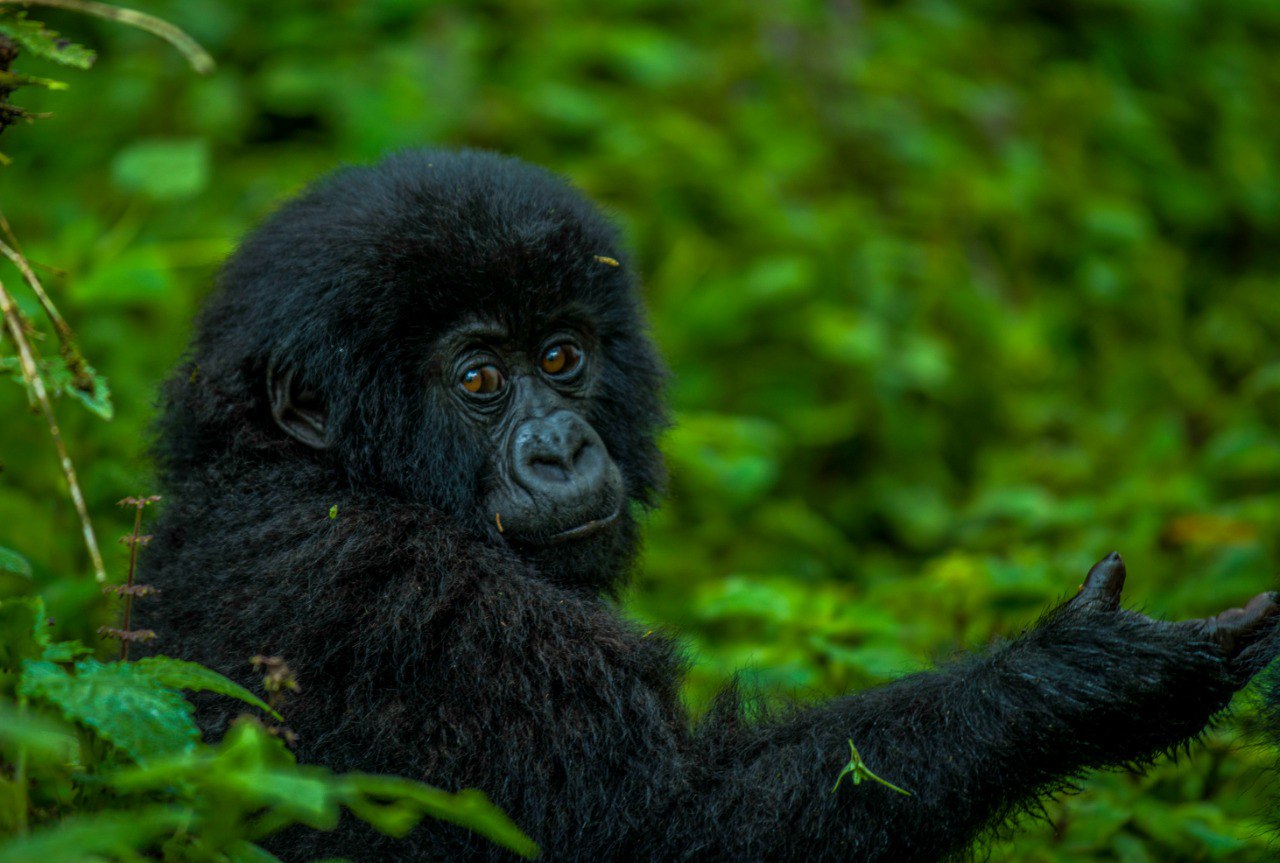
Rwanda offers a 30 percent low season discount on gorilla permits, bringing the foreign non resident price from USD 1,500 to about USD 1,050, for visitors who trek between November and May and add nights in other national parks. The discount is set by the Rwanda Development Board and applies in Volcanoes National Park. It is the main way to pay less without changing the experience, and it rewards flexible travel dates.
Discounts on a premium permit are limited and come with conditions, so it helps to know exactly which ones exist and who qualifies. This article explains the low season offer, other reductions, and how to work out your discounted price.
The Low Season Discount
The headline saving is the low season discount, usually available from November through May. Foreign non residents can receive 30 percent off the standard fee, reducing USD 1,500 to roughly USD 1,050 per permit. The aim is to spread visitors more evenly through the year and fill the quieter, wetter months.
The discount is conditional rather than automatic. It typically requires you to combine your gorilla trek with additional nights in Rwanda’s other parks, such as Akagera or Nyungwe, encouraging a longer stay across the country. Exact terms can shift year to year, so confirm the current conditions with the board or your operator before counting on the saving.
Who Qualifies for the Discount
Qualification rests on timing and itinerary. You need to trek within the eligible low season window and meet the linked stay requirement, usually a minimum number of nights in other Rwandan parks booked alongside the trek. The discount applies to the foreign non resident rate, where the saving is largest in absolute terms.

Resident and East African rates are already lower, so the low season promotion is framed mainly around the international price. If you are a flexible traveller willing to visit in the greener months and explore beyond the gorillas, you are the visitor this discount is built for.
Calculate Your Discounted Permit Price
Use the calculator below to estimate your permit cost. Choose your visitor type and whether you meet the low season conditions, and the tool shows the price per permit for 2026.
Other Possible Reductions
Beyond the low season offer, a few situations can lower the effective cost. Rwanda has at times extended reduced rates to conference and event delegates visiting around major meetings, encouraging business travellers to add a trek. These promotions come and go and are announced by the board.
Group and operator arrangements can also shape value, though not the permit fee itself. An operator buying in volume may package permits with transport and lodging at a competitive overall price, so the saving shows up across the trip rather than on the permit line. Always separate a true permit discount from a bundled package deal when comparing offers.
What Is Not Discounted
It is worth being clear about the limits. The standard foreign rate of USD 1,500 does not drop in the peak dry months, and there is no general early bird or loyalty discount on the permit price. The fee is fixed by visitor type, with the low season promotion as the main exception.
Be cautious of any seller advertising steep, unconditional discounts on Rwandan permits, since the permit originates with the board at set prices. A deal that sounds far below the official structure is a reason to check the seller's legitimacy rather than to celebrate.
Discounted and Standard Prices in 2026
These are the rates and the main saving to plan around.
USD 1,500 per person at the regular rate, including peak dry season months.
About USD 1,050 with the 30 percent discount, for eligible November to May trips with added park nights.
USD 500 for African citizens and foreign residents of African countries.
USD 200 for citizens of Rwanda and other East African Community states.
How the Low Season Discount Pays Off
The 30 percent saving is most attractive when you look at the whole trip rather than the permit alone. Reducing a permit from USD 1,500 to about USD 1,050 frees up roughly USD 450 per person, which can offset the cost of the extra park nights the discount requires. In effect, the offer nudges you toward a richer itinerary while softening the headline permit price.
There is a practical bonus too. The low season months that unlock the discount are also when permits are easiest to secure and crowds are thinnest, so the same dates that save money also tend to deliver a quieter trek. For a flexible traveller, the discount and the experience pull in the same direction rather than forcing a trade off.
Mistakes That Cost You the Discount
The most common error is assuming the discount is automatic. It is conditional, so booking a low season date without meeting the linked stay requirement may leave you paying full price. Confirm the exact conditions, including the minimum nights in other parks, before you build your plan around the lower figure.
Another pitfall is mixing up a genuine permit discount with an operator's package deal. A bundled price may look discounted because services are combined, not because the permit itself is reduced. When comparing offers, ask exactly what the permit costs within the package, and verify that any advertised reduction reflects the board's official low season terms rather than marketing. Keeping the permit line separate in your budget makes these comparisons honest.
Planning a Low Season Trip Around the Saving
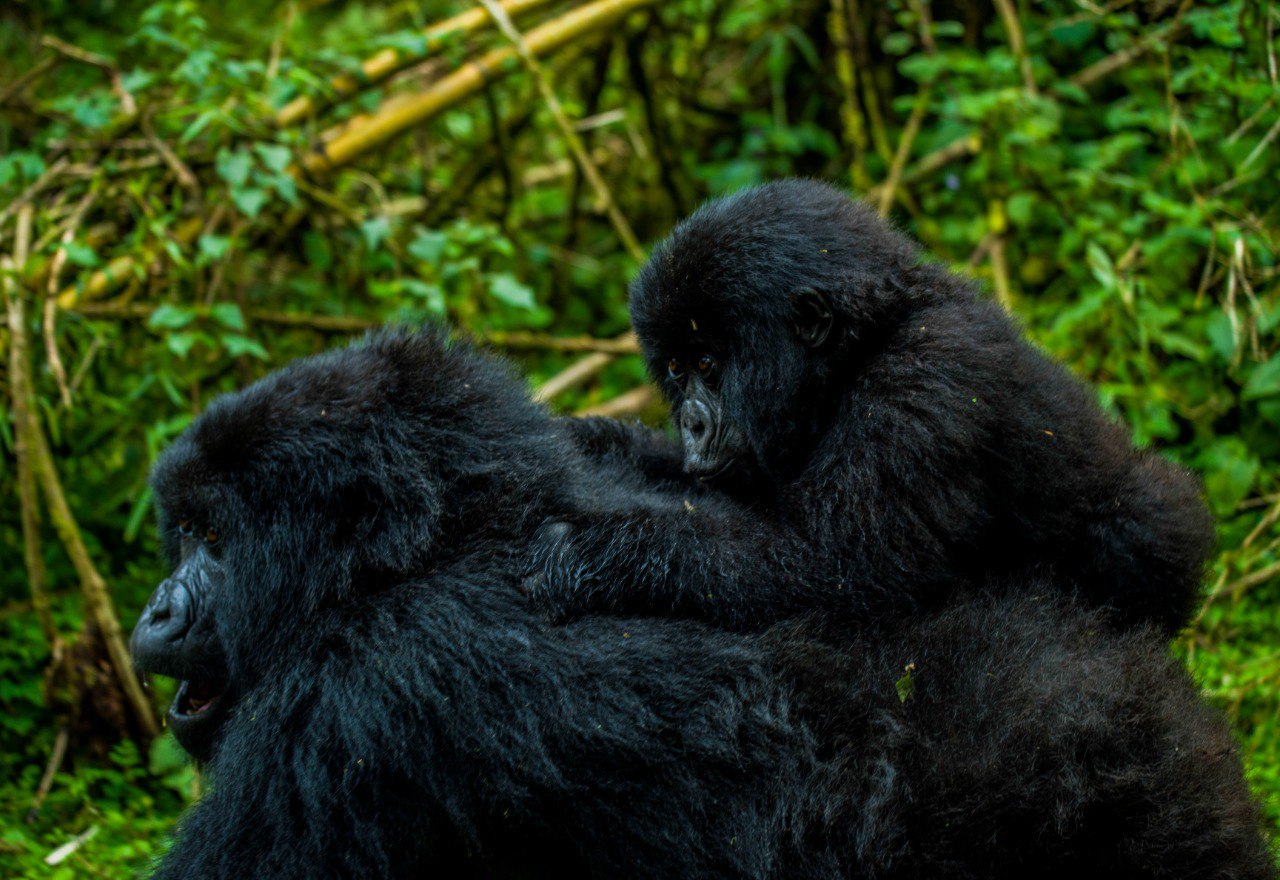
Because the main discount rewards visiting in the wetter months and adding nights in other parks, the smartest way to capture it is to design the whole trip around those terms from the start. Pencil in trekking dates between November and May, then plan a few nights in Akagera for savanna wildlife or Nyungwe for chimpanzees and forest canopy, which can satisfy the linked stay requirement while broadening the trip.
This turns a single gorilla day into a fuller tour of Rwanda, often for a lower permit price than a peak season trek alone. The wetter months also bring quieter trails and greener scenery, so the trade off for muddier walking is a calmer, more varied experience. Pack proper waterproofs and accept that conditions underfoot will be tougher, and the low season can deliver both the saving and a richer itinerary at once.
Confirm the current conditions before committing, since the exact qualifying parks, minimum nights, and eligible dates can shift between years. Your operator or the board can state the terms in force for your travel window, and getting that confirmation in writing protects the saving you are planning around.
Frequently Asked Questions About Rwanda Gorilla Permit Discounts
Is there a discount on Rwanda gorilla permits?
Yes. A 30 percent low season discount can apply from November through May for eligible foreign non residents, reducing USD 1,500 to about USD 1,050.
What conditions does the discount require?
It typically requires trekking in the low season window and adding nights in other Rwandan parks such as Akagera or Nyungwe. Confirm current terms before booking.
Do peak season permits ever go on sale?
No. The standard rate holds through the busy dry months. The low season offer is the main exception to fixed pricing.
Are there discounts for residents?
Resident and East African rates are already lower at USD 500 and USD 200. The low season promotion is framed mainly around the foreign rate.
Should I trust very cheap permit offers?
Be cautious. Permits come from the Rwanda Development Board at set prices, so deals far below the official structure warrant checking the seller's legitimacy.
Does the discount apply to one permit or the whole group?
Where the low season terms are met, the reduced rate applies per eligible permit, so a qualifying group can each receive the saving on their own permit.
Can I combine the discount with an operator package?
Often yes, since the operator builds the qualifying park nights into the itinerary, but confirm the permit line reflects the official low season rate rather than a vague bundled figure.
Are the discount conditions the same every year?
Not always. Qualifying parks, minimum nights, and eligible dates can shift, so confirm the terms in force for your travel window before planning around the saving.
Is the standard rate ever negotiable?
No. The permit fee is set by the board and is not open to bargaining, so any genuine saving comes through the official low season terms rather than negotiation.