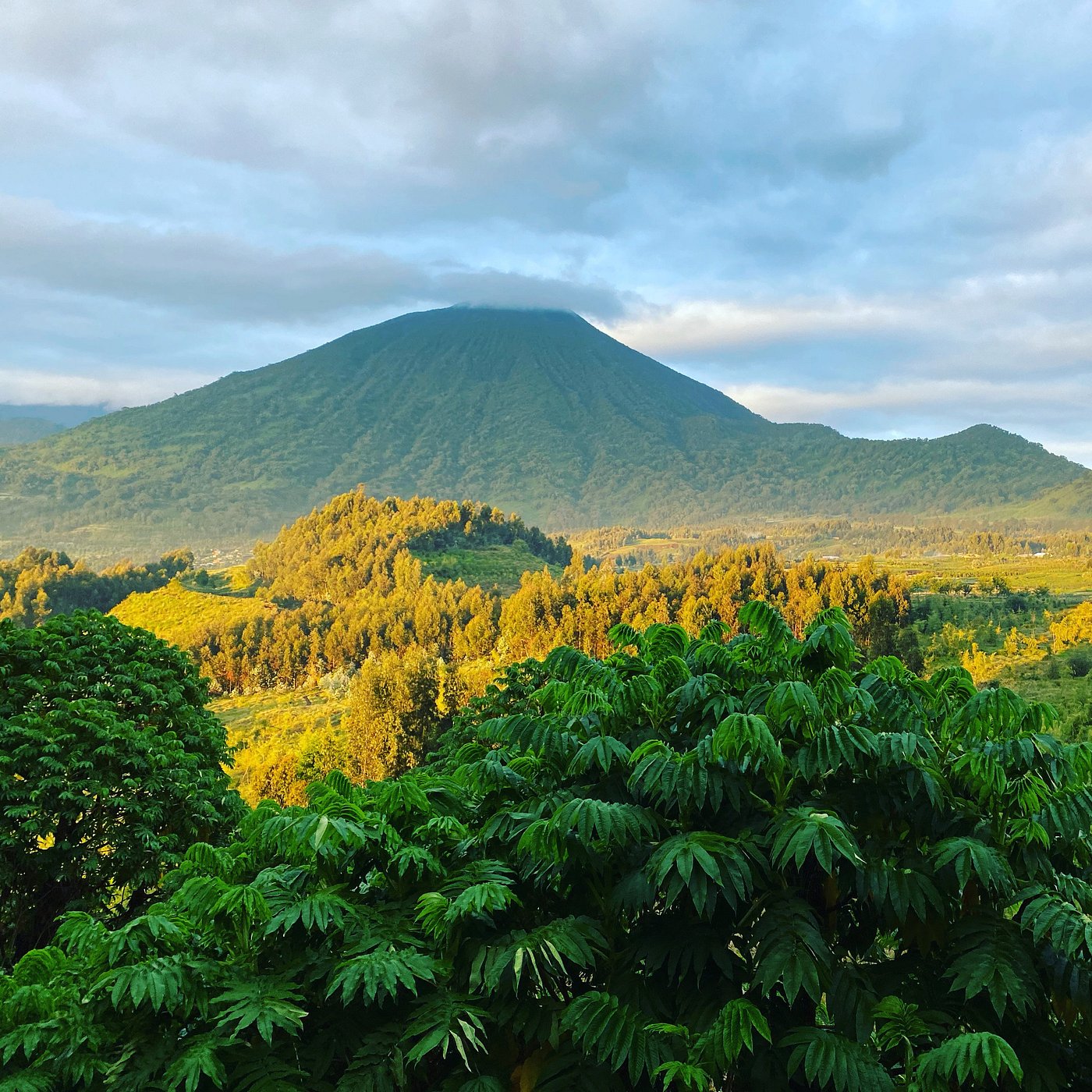
The best time for gorilla trekking in Rwanda is during the two dry seasons, June to September and December to February, when the trails in Volcanoes National Park are firmer and the climb is easier. Gorillas are seen year-round, so no month is a wasted trip, and the rainy months bring fewer crowds plus a reduced $1,050 low-season permit. The standard permit is $1,500 in 2026. Volcanoes National Park lies in northern Rwanda near Musanze along the Virunga Mountains, holding part of the world’s only wild mountain gorilla population.
Planning
Best Time for Gorilla Trekking in Rwanda
Plan the perfect Rwanda gorilla trek - the best months to go, how many days you need, what to pack, and how to get fit for the climb.
The Complete Guide
Everything in this guide9 in-depth articles
Explore every part of Rwanda gorilla trekking in planning your gorilla trek - written by our local East African guides.
01
Common Gorilla Trekking Mistakes to Avoid
The most common gorilla trekking mistakes in Rwanda are booking flights before securing the $1,500 permit,…
Read guide →
02
Gorilla Trekking Checklist
A complete gorilla trekking checklist for Rwanda covers four stages: booking your $1,500 permit and lodge,…
Read guide →
03
Gorilla Trekking During the Dry Season
Gorilla trekking during the dry season in Rwanda means the two driest stretches of the year,…
Read guide →
04
Gorilla Trekking During the Rainy Season
Gorilla trekking during the rainy season in Rwanda covers the wetter months of March to May…
Read guide →
05
Gorilla Trekking Itinerary Ideas
Gorilla trekking itineraries in Rwanda range from a tight three-day trip built around a single trek…
Read guide →
06
How Fit Do You Need to Be for Gorilla Trekking?
You do not need to be an athlete for gorilla trekking in Rwanda, but a moderate…
Read guide →
07
How Many Days Do You Need for Gorilla Trekking?
You need a minimum of three days for gorilla trekking in Rwanda: one to travel to…
Read guide →
08
Kigali to Volcanoes National Park Travel Guide
Volcanoes National Park is about a two to three hour drive from Kigali, roughly 116 kilometres…
Read guide →
09
What to Pack for Gorilla Trekking
The key items to pack for gorilla trekking in Rwanda are sturdy waterproof hiking boots, long…
Read guide →

This guide breaks the year into its dry and wet seasons, explains why sightings stay reliable in every month, and weighs the trade-offs of crowds, cost, and conditions so you can match the timing to what you want. The aim is to help you pick a month with clear eyes rather than chase a single perfect window.
The Short Answer: Aim for the Dry Seasons
If you have full flexibility, target the dry seasons. The long dry season from June to September is the prime window, with minimal rain, thinner undergrowth, and the firmest trails. The short dry season from December to February is the other strong choice, with settled weather and fewer visitors than the mid-year peak.
The reason comes down to the climb. Volcanoes National Park sits in high-altitude rainforest, and the difference between a dry trail and a muddy one can turn a manageable hike into a hard slog. Drier ground makes the steeper families far more approachable, which is why these months are the default recommendation.
Rwanda’s Two Dry Seasons
The long dry season runs from June to September and is widely regarded as the best period for trekking. Rainfall is at its lowest, visibility is good, and the logistics run smoothly. It is also the busiest stretch of the year, so permits and lodges fill far ahead.
The short dry season covers December to February, with mild temperatures and more predictable weather after the short rains ease. January in particular tends to bring dry trails and thinner post-holiday crowds. Because Volcanoes National Park is montane rainforest, light showers can still arrive in any month, so even a dry-season trek can meet some rain.
Rwanda’s Two Rainy Seasons
The long rains fall from March to May, with April typically the wettest month. Trails turn muddy and slippery, and the climb is harder, though the gorillas often range lower during this period and the forest is at its greenest. This is the quietest, most affordable time to visit.
The short rains run roughly October to November, sometimes stretching toward mid-December. They are less intense than the long rains, bringing showers rather than constant downpours. Both wet seasons trade harder walking for thinner crowds, denser vegetation, and the low-season permit discount.
Why Gorillas Can Be Trekked Year-Round
Unlike savannah wildlife that migrates, mountain gorillas hold established territories within the park that ranger teams monitor every day. They do not leave for the seasons, so sightings stay consistent across the whole year. The success rate for reaching your assigned family is very high in every month.
What changes month to month is the experience, not the outcome. Rainfall sets how muddy the trails are, visitor numbers shape permit availability and lodge prices, and the light shifts from misty and dramatic in the wet to clear and bright in the dry. No month guarantees a better sighting than another.
Best Time for Fewer Crowds and Lower Cost
The dry-season strength is also its weakness: it is busy. In the peak months of July and August, permits, which are capped at eight visitors per family per day, sell out many months and sometimes close to a year in advance, and the forest can feel more trafficked. If you want solitude, the dry season is not it.
The wet months from March to May and again in November are the quietest, with thinner crowds on the trails and easier permit availability. They also unlock the low-season discount, cutting the permit from $1,500 to $1,050 when paired with a qualifying stay in Akagera or Nyungwe. For budget-minded or crowd-averse visitors, the rains are the better value.

Best Time for Photography
The two seasons offer different photographs. The dry months give clearer light, better visibility through thinner undergrowth, and a higher chance of open views across the volcanoes, which suits sharp, well-lit images. The trade-off is harsher midday light and more visitors in frame.
The wet season delivers moody, misty scenes and the deep green of a forest at its fullest, which can make for atmospheric images. The denser vegetation can crowd a shot and the light is flatter, but the gorillas often sit lower and closer, and you will rarely be jostling other trekkers for position.
Permit Cost and Booking by Season
The permit price itself does not rise in the busy months, but availability does the work that price normally would. The standard fee is $1,500 per person in 2026, with the low-season rate in the wetter months. Booking lead time is the real seasonal variable.
Standard permit
$1,500 per person year-round for international visitors, set by the Rwanda Development Board.
$1,500 per person year-round for international visitors, set by the Rwanda Development Board.
Low-season rate
$1,050 per person from November to May, with a qualifying two-night stay in Akagera or Nyungwe National Park.
$1,050 per person from November to May, with a qualifying two-night stay in Akagera or Nyungwe National Park.
Dry-season booking
For June to September, secure permits and lodges several months to a year ahead, since they sell out.
For June to September, secure permits and lodges several months to a year ahead, since they sell out.
Wet-season booking
March to May and November offer easier availability and shorter lead times, alongside the discount.
March to May and November offer easier availability and shorter lead times, alongside the discount.
Whatever the season, the permit covers entry, guides, trackers, and one hour with your family, and excludes lodging, transport, and tips. Plan the booking window around your chosen month rather than expecting last-minute space in peak periods.
How to Choose Your Month
Decide what you are optimising for. If you want the easiest possible hike and the most reliable weather, and you can book early, choose June to September or December to February. If you care more about cost, quiet trails, and green scenery, and you do not mind mud, the wet months reward you with lower prices and space to yourself.
Either way, pack for rain. Because the park is montane rainforest, a shower can arrive in any month, and the visitors who enjoy their trek most are the ones who came prepared for wet ground regardless of the season they picked. The choice between seasons is really a choice between two kinds of good trip rather than between a good one and a bad one, since the gorillas themselves are present and findable across the whole calendar.
One last practical point: let your booking lead time, not just your preferred weather, guide the decision. If you can only plan a few weeks out, the wet months will have space when the peak season is long gone, so flexibility on season can be the difference between trekking this year and waiting for the next.
If your dates are fixed by work or school holidays, do not agonise over the season. Gorillas are seen year-round, success rates are high in every month, and good boots plus a rain layer cover the difference. The month shapes your comfort and your crowds, not whether you meet a family.
What is the best month for gorilla trekking in Rwanda?
June to September is the prime window, with the driest trails and most stable weather, and December to February is the other strong period. These dry months make the climb easier, though they are also the busiest, so permits and lodges should be booked well ahead.
Can you trek gorillas in the rainy season?
Yes. Gorillas are seen year-round and success rates stay high in the rains. The trails are muddier and the climb harder from March to May and in November, but you get fewer crowds, greener scenery, and the low-season permit discount.
Does the time of year affect whether you see gorillas?
No. Mountain gorillas hold fixed territories monitored daily by rangers and do not migrate, so sightings are consistent in every month. The season affects trail conditions, crowds, and light, not the likelihood of reaching your family.
When is the cheapest time to trek gorillas in Rwanda?
The wetter months from November to May carry a low-season permit rate of $1,050, down from $1,500, when paired with a qualifying two-night stay in Akagera or Nyungwe. These months also bring lower lodge prices and fewer crowds.
What is the weather like in Volcanoes National Park?
The park is high-altitude rainforest, with mild temperatures and the chance of rain in any month. Daytime conditions are generally cool to warm, cooler at altitude, and even the dry seasons can bring light showers, so packing rain gear is wise year-round.
Watch
See it for yourself
 Speak to a local expert
Karibu
Ready to meet the gorillas?
Let Insight Safari Holidays, locally owned since 2000, handle your permits, lodges and logistics. Tailor-made Rwanda gorilla trekking, planned by people who call these forests home.