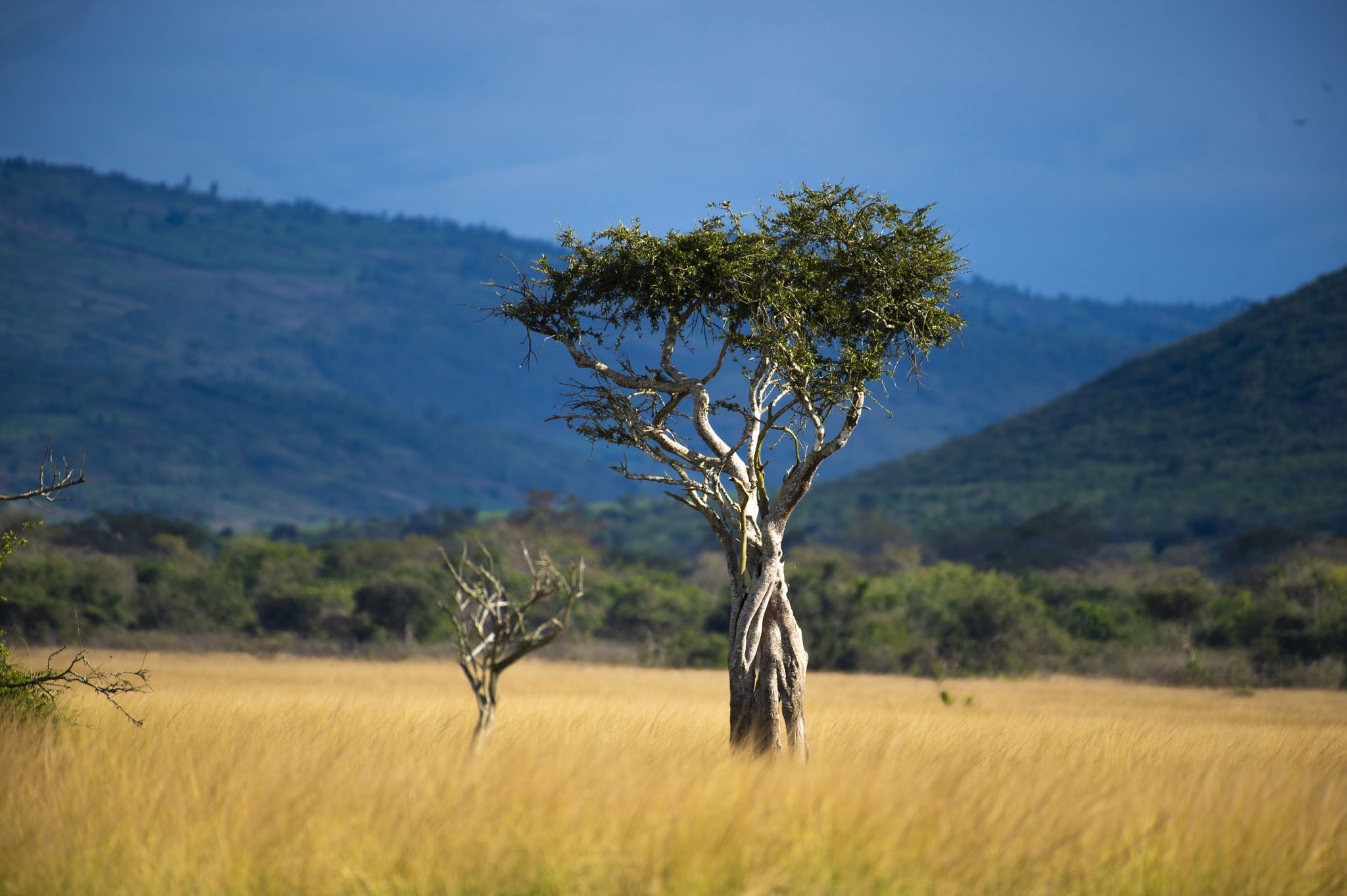
Wilderness Magashi Camp is a luxury tented safari camp on the shores of Lake Rwanyakazinga in Akagera National Park, Rwanda’s only savanna park, in the east of the country. Rates are reported from around $1,400 per person per night on a fully inclusive basis, covering meals, twice-daily activities, local drinks, and park transfers, with a conservation levy that may be charged separately. The camp has eight tented suites, is run by Wilderness within a private concession, and offers Big Five game viewing in a park transformed by conservation, making it a natural savanna safari to pair with gorilla trekking.
Akagera has been managed by African Parks since 2010, with lion reintroduced in 2015 and black rhino in 2017, restoring the Big Five. Magashi gives access to this in a small, well-managed park without the crowds of better-known safari destinations. This guide covers the tents, the game viewing and boat safaris, the dining and conservation model, what a stay costs, the best time to visit, and how to reach it.
The Tented Suites at Wilderness Magashi Camp
The camp has eight spacious tented suites set along the shore of Lake Rwanyakazinga, each with a large sitting area and lake views, combining canvas-and-timber safari design with full comfort. The common areas include comfortable lounges and a dining space facing the water, where guests often watch wildlife from camp, including hippos in the lake and elephants and plains game moving nearby.
The setting is the draw as much as the rooms. Guests describe falling asleep to hippo grunts and waking to pods of hippos in front of the tents, with elephants occasionally swimming past the lounge area. Returning from a drive, guests are met with a cool facecloth and a refreshment, part of the attentive service the camp is known for. The design keeps the camp intimate, with only eight suites sharing the lakeside concession.
Big Five Game Viewing and Boat Safaris at Wilderness Magashi Camp
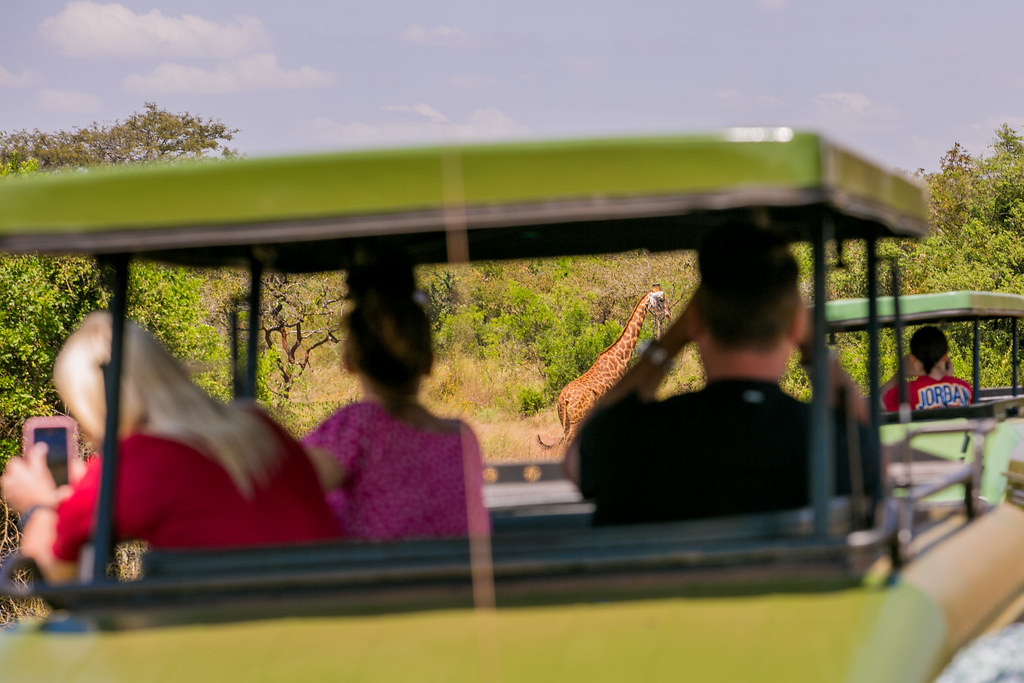
Game viewing is the core of a stay, and Akagera now holds the Big Five, with lion, leopard, elephant, buffalo, and both black and white rhino, alongside giraffe, zebra, topi, impala, hyena, crocodile, and the water-loving sitatunga antelope. Magashi’s private concession means game drives are quieter, and guests on multi-day stays report strong sightings, though wildlife is wild and nothing is guaranteed on any single drive.
A standout feature is the boat safari on Lake Rwanyakazinga, which holds one of Africa’s highest densities of hippo and excellent birding, with over 500 species in the park including the rare shoebill stork and African fish eagle. The camp also offers guided walks, night game drives in open vehicles, and catch-and-release fishing on the lake, a wider range of activities than a standard game-drive-only camp, made possible by the private concession.
Dining and Conservation at Wilderness Magashi Camp
Dining at Magashi leans on Rwandan ingredients and local dishes, with a signature Rolex breakfast wrap and a travelling Kugisha dinner served with traditional stories and songs around the fire. Meals are flexible around allergies and preferences, and the kitchen draws praise from guests, with the lakeside dining setting adding to the experience.
The camp is a flagship of Wilderness’s community conservation model, with a portion of every guest’s revenue supporting the Akagera Community Fund, which benefits communities around the park and builds economic incentives for protecting wildlife. Guests can take part in tracking and monitoring lion, leopard, and rhino through identikit work. Akagera’s wider recovery under African Parks, including the return of lion and rhino, is the backdrop to a stay here, and the conservation story is woven into the guiding.
Wilderness Magashi Camp Rates and What to Budget in 2026
Magashi rates are reported from around $1,400 per person per night on a fully inclusive basis, covering accommodation, all meals, twice-daily activities, local drinks, laundry, and transfers between the camp and the park’s North Gate. A conservation levy may be charged separately, so confirm whether it is included when you book. Rates move by season, rising in the busier dry months. Use the estimator to combine nights into a rough per-person total.
Reported from around $1,400 per person per night, fully inclusive of meals, drinks, and twice-daily activities.
Accommodation, all meals, game drives and boat safaris, local drinks excluding premium brands, laundry, and North Gate transfers.
May be added separately per person per day, supporting the Akagera Community Fund, so confirm at booking.
Akagera combines easily with gorilla trekking at Volcanoes National Park for a savanna-and-forest trip.
Best Time to Visit Wilderness Magashi Camp in Akagera
Akagera is open year-round, and the camp runs through all seasons, but conditions shift with the rains. The drier months generally bring easier game viewing, as animals concentrate near water and tracks are firmer, while the wetter months bring greener country, scattered wildlife, and strong birding. The calendar below sets out the broad pattern through the year. Sightings are never guaranteed in any month, since the wildlife is wild and free-ranging.
How to Reach Wilderness Magashi Camp
Akagera National Park is reached from Kigali by a drive of around two and a half to three hours to the east, the closest of Rwanda’s major parks to the capital. The camp arranges transfers between the park’s North Gate and the camp, which are included in the rate. Because the camp sits within its private lakeside concession deep in the park, the final stretch is part of the arrival, and a road or air transfer to the gate connects to it.
Akagera is well suited to a two or three night stay, enough for several game drives, a boat safari, and a walk or night drive, and it pairs naturally with the forest and volcano parks in the west for a full Rwanda trip. The park is considered safe and well managed under African Parks, with strong anti-poaching patrols. There is a sister property, Magashi Peninsula, that opened recently as a smaller and more exclusive option in the same area, for travellers wanting the highest level of privacy.
Who Wilderness Magashi Camp Suits Best
Magashi works best for travellers who want a genuine savanna safari to complement Rwanda’s primates, rather than as a standalone trip. The Big Five game viewing, the lakeside setting, and the boat safaris give a different rhythm from the forest and volcano parks in the west, and the combination of drives, walks, night drives, and water-based outings keeps a two or three night stay varied.
It suits couples and families alike, with children aged six and older welcome, which is younger than the trekking-focused lodges allow, and the exclusive-use Villa option at the wider Magashi properties gives groups more privacy. Guests who prioritise attentive service, a small camp, and a quiet park without crowds tend to come away most satisfied, while those expecting the dense predator action of larger East African reserves should keep in mind that Akagera is a recovering park where sightings build over a multi-day stay rather than a single drive.
How much does it cost to stay at Wilderness Magashi Camp?
Rates are reported from around $1,400 per person per night on a fully inclusive basis, covering accommodation, all meals, twice-daily activities, local drinks, laundry, and North Gate transfers. A conservation levy may be charged separately per person per day, so confirm whether it is included when booking.
What wildlife can I see at Wilderness Magashi Camp?
Akagera holds the Big Five, with lion, leopard, elephant, buffalo, and both black and white rhino, alongside giraffe, zebra, topi, impala, hyena, crocodile, and sitatunga. The lake holds one of Africa’s highest densities of hippo, and the park has over 500 bird species including the rare shoebill stork. Sightings are never guaranteed on any single outing.
How many tents does Wilderness Magashi Camp have?
The camp has eight spacious tented suites set along the shore of Lake Rwanyakazinga, each with a large sitting area and lake views. The small size keeps it intimate, and the camp sits within Akagera’s only exclusive-use concession, which allows guided walks and night drives not permitted in the general park.
What activities are available at Wilderness Magashi Camp?
Activities include game drives for the Big Five, boat safaris on Lake Rwanyakazinga for hippos and birding, guided walks, night game drives in open vehicles, and catch-and-release fishing. The private concession allows walks and night drives that are not available in the general park, giving a wider range than a drive-only camp.
How do I get to Wilderness Magashi Camp from Kigali?
Akagera National Park is about a two and a half to three hour drive east of Kigali, the closest major park to the capital. The camp arranges transfers between the park’s North Gate and the camp, which are included in the rate, with road or air transfer connecting to the gate.
Can I combine Wilderness Magashi Camp with gorilla trekking?
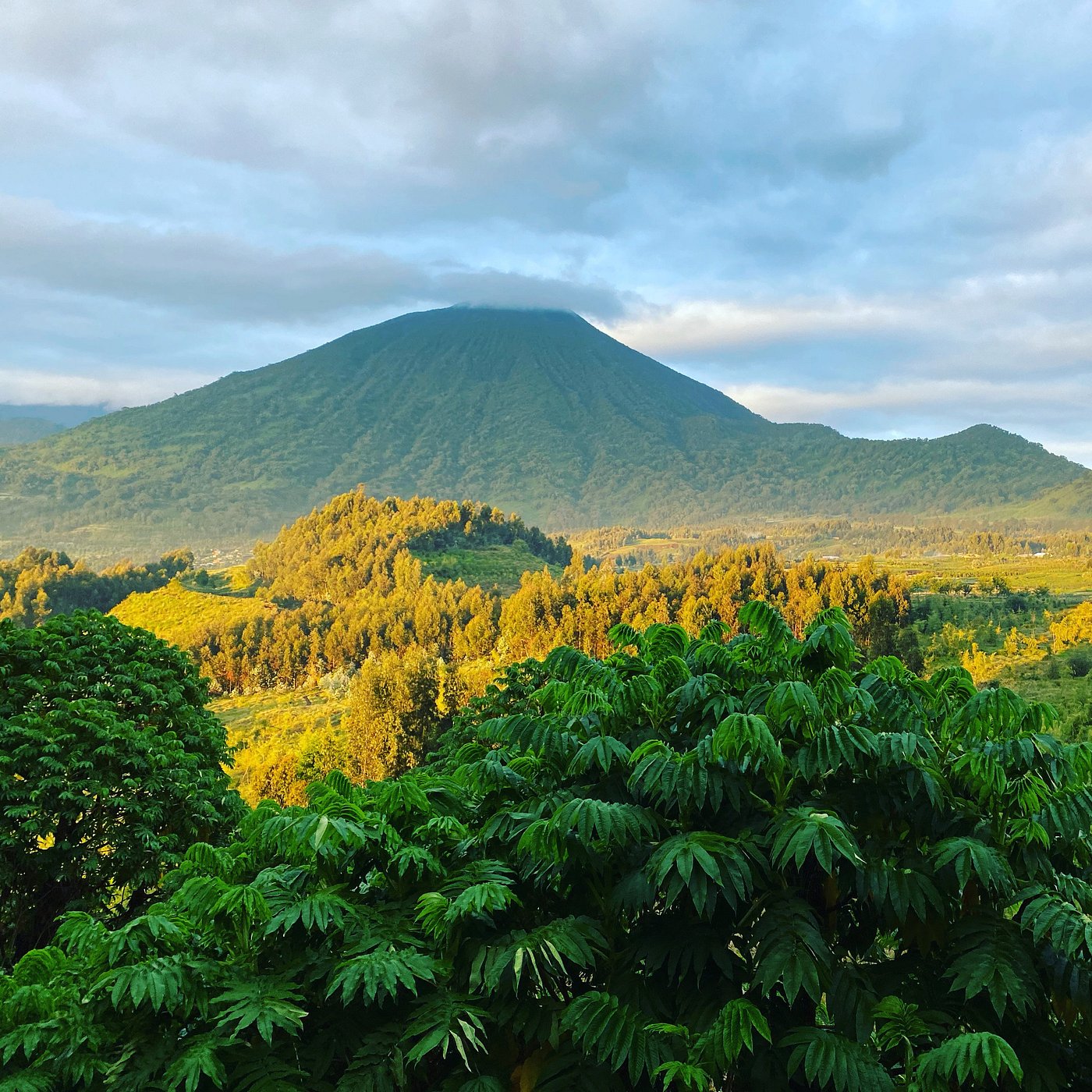
Yes. Akagera pairs naturally with gorilla trekking at Volcanoes National Park in the west, giving a savanna-and-forest trip that combines Big Five game viewing with mountain gorillas. A two or three night stay at Magashi covers several drives, a boat safari, and a walk or night drive.