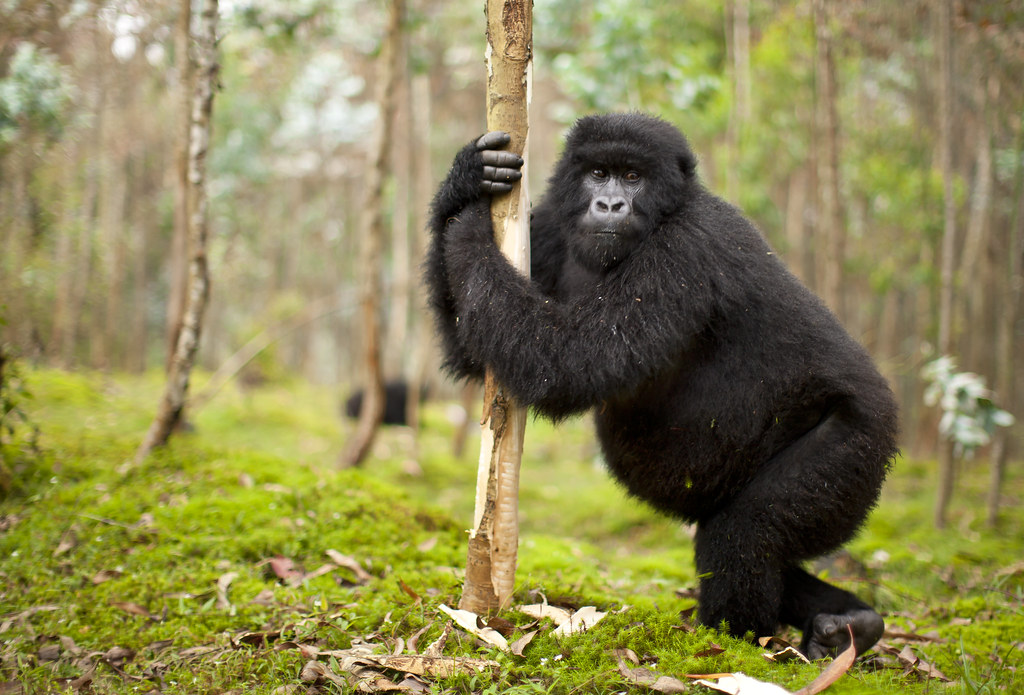
Gorilla trekking in Rwanda grew out of scientific research that began with Dian Fossey in 1967 and developed into organised tourism over the following decades, centred on Volcanoes National Park. The park itself was established in 1925, decades before any tourist set foot there, and trekking was halted entirely during Rwanda’s civil war before reopening around 1999. Today a 2026 permit costs USD 1,500, and the activity is one of the most controlled wildlife experiences in Africa.
The story is not one of a tourist product designed from scratch. It runs from colonial-era protection, through pioneering field research, into a structured tourism model that now funds the gorillas‘ survival. Tracing the milestones explains why the experience works the way it does today.
Africa’s Oldest National Park, Founded in 1925
The history begins long before trekking. In 1925 the Belgian colonial authorities established what is now Volcanoes National Park as part of the larger Albert National Park, named after King Albert I. This made it the first national park created anywhere on the African continent, and its founding purpose was to protect the mountain gorillas and their habitat from poaching.
For its first decades the park was a protected zone rather than a destination. There was no visitor system, no permits, and no guided treks. The gorillas were known to science only in outline, and the idea that travellers might one day walk in to watch a family for an hour did not yet exist. That foundation of legal protection, however, is what later made tourism possible.
Dian Fossey and the Karisoke Research Center, 1967
The turning point came in 1967, when the American primatologist Dian Fossey established the Karisoke Research Center between Mount Karisimbi and Mount Bisoke. She named the camp by combining the two mountains, and she set about the long, patient work of observing gorilla families closely enough to record their behaviour, social structure, and individual identities.
Fossey’s research achieved something essential for tourism: the careful habituation of gorilla families to human presence. By spending years near specific groups, she and her successors showed that gorillas could become calm around people who behaved correctly. This habituation, originally for science, is the exact mechanism that later treks would rely on. Her book Gorillas in the Mist also brought worldwide attention to the animals and the park.
From Research to the First Organised Treks
Through the late 1970s and into the 1980s, the groundwork for tourism took shape. As more families were habituated and the conservation case grew clearer, Rwanda began to allow limited, guided visits to gorilla groups. The model that emerged set small group sizes and strict rules, treating tourism as a tool to fund protection rather than a free-for-all.
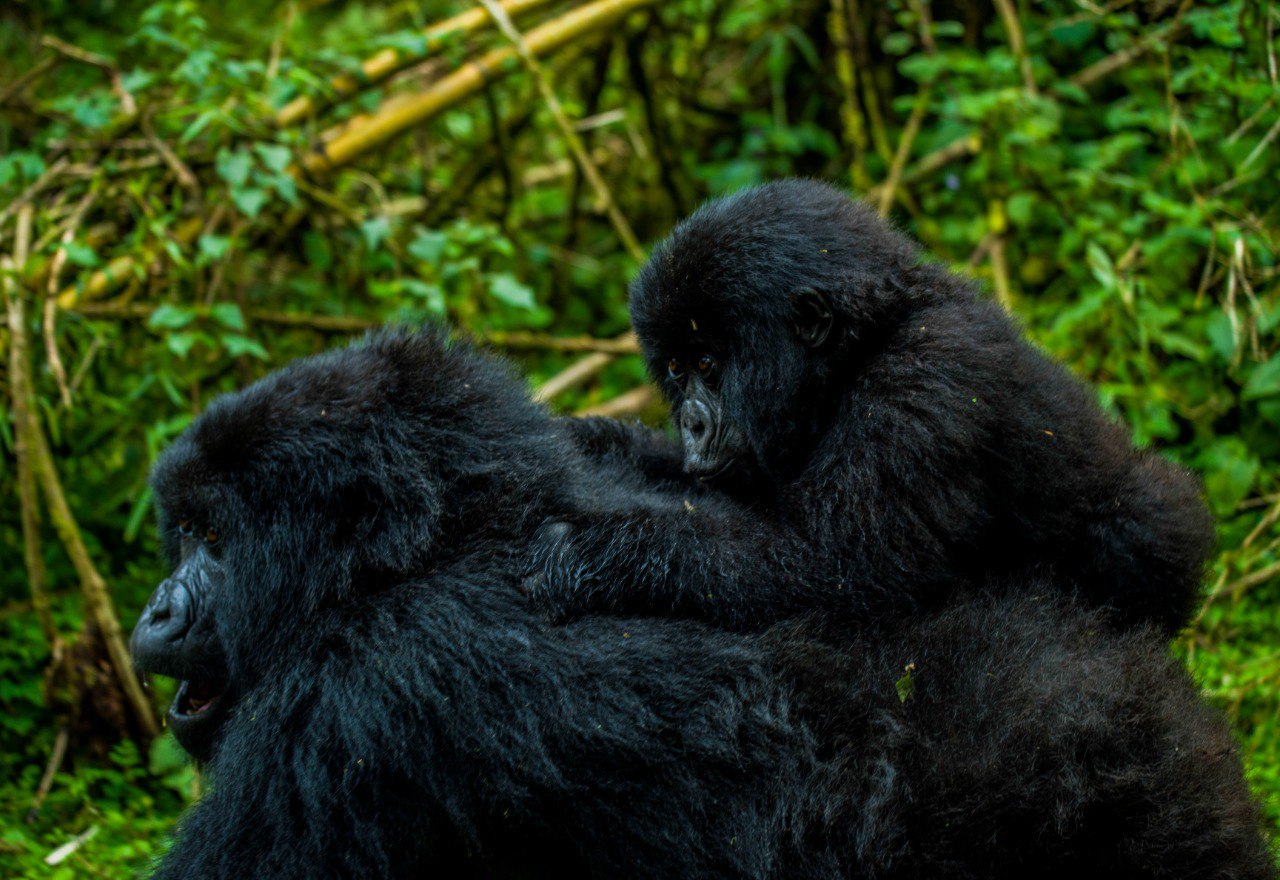
This period was not smooth. Poaching remained a threat, and Fossey’s anti-poaching campaigns made her enemies. She was murdered at Karisoke in December 1985, and the circumstances were never fully resolved. She was buried beside her favourite silverback, Digit. Despite the loss, the research and the early tourism framework she helped build continued, carried forward by the organisation that became the Dian Fossey Gorilla Fund.
Civil War and the Suspension of Trekking
The early 1990s brought Rwanda’s civil war, and Volcanoes National Park sat in a conflict zone. Gorilla trekking stopped entirely, and the Karisoke Research Center was damaged and relocated several times, with researchers at times working in hiding. Tourism in the park was effectively paralysed for much of the decade.
Remarkably, the gorillas largely survived this period, even as the country endured the 1994 genocide. Trackers and conservationists kept monitoring families where they could. By around 1999, with stability returning, trekking resumed, and Rwanda began rebuilding the activity into the polished, secure operation it is now. The recovery of both the country and its gorilla tourism over the following years is a central part of the story.
Timeline of Gorilla Trekking in Rwanda
The milestones below trace the path from the park’s founding to the present-day permit system. The figures are verified for 2026.
The Kwita Izina Ceremony and the Modern Era
In 2005 Rwanda launched Kwita Izina, an annual ceremony that names the gorilla infants born in Volcanoes National Park over the previous year. Drawing on the Rwandan tradition of naming a newborn, the event made conservation a public celebration and provided a yearly record of how many gorillas had been added to the population.
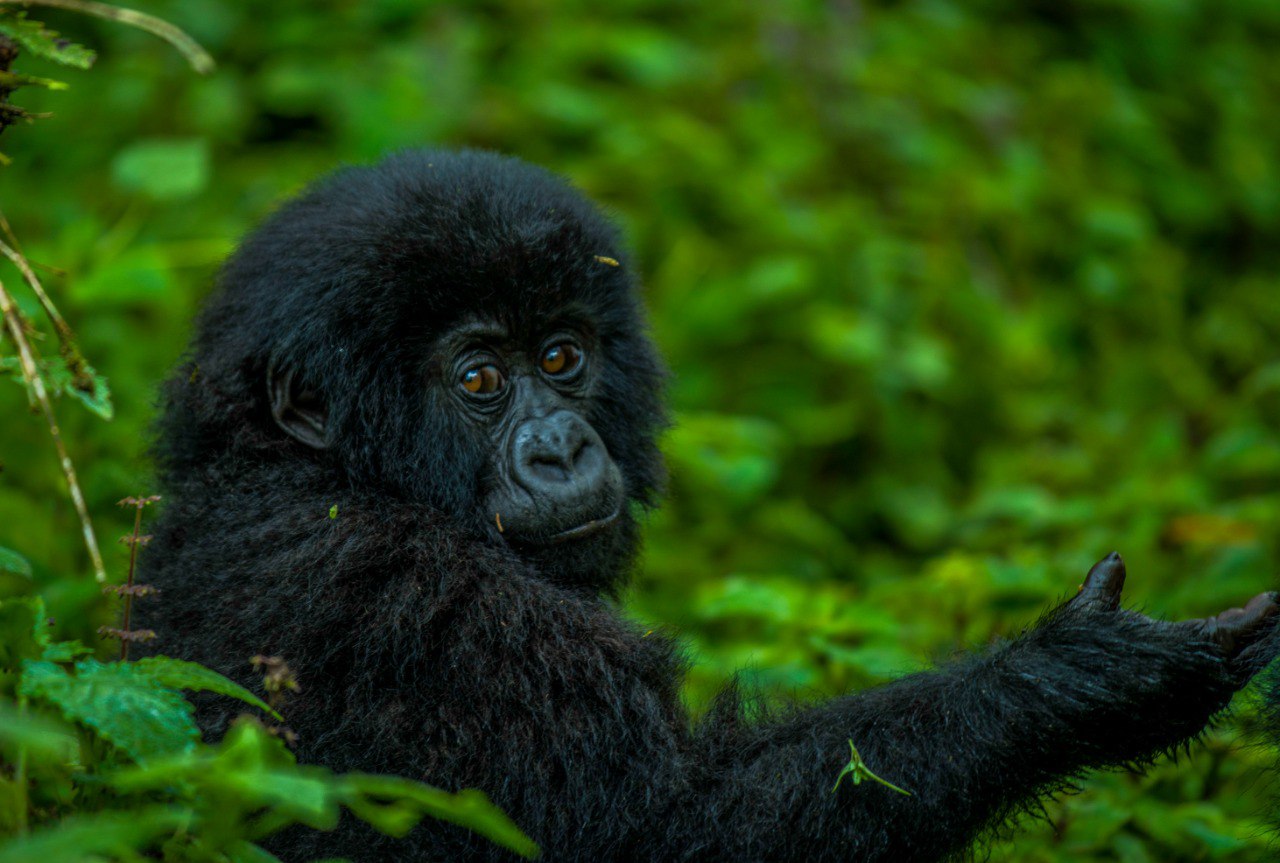
The ceremony signalled a new phase: gorilla trekking was no longer just recovering, it was thriving and confident enough to market itself to the world. Over the following years Rwanda invested in lodges, security, and the road network that brings visitors from Kigali in two to three hours. The premium permit price emerged as part of this deliberate strategy to keep numbers low and revenue high.
How Gorilla Trekking Costs Have Been Set
The permit price has risen over the years as part of Rwanda’s low-volume model. These cards show the current 2026 structure and what the revenue supports.
USD 1,500 per person in 2026, the highest gorilla permit price in the region.
USD 500 for African residents and USD 200 for East African citizens, broadening regional access.
A portion of permit revenue funds schools, health centres, and crop-damage compensation around the park.
Eight visitors per family per day keeps total numbers low, a principle in place since the early tourism years.
Visiting the Sites Behind the History
The history is visible on the ground today. From Kinigi headquarters you can hike to Dian Fossey’s grave and the ruins of the original Karisoke camp, a walk that takes you into the heart of the research story. The Karisoke programme now operates from the Ellen DeGeneres Campus of the Dian Fossey Gorilla Fund, opened in 2022 near the park.
Volcanoes National Park is reached by road from Kigali in two to three hours, with the gateway at Kinigi near Musanze. Pairing a gorilla trek with the Fossey grave hike and the small museums of the area turns a wildlife trip into a fuller picture of how Rwanda’s gorilla trekking came to be.
Frequently Asked Questions About the History of Rwanda Gorilla Trekking
When did gorilla trekking start in Rwanda?
Organised tourism grew from the research and habituation work that began in 1967, with limited guided visits developing over the following decades. Trekking was suspended during the civil war and resumed around 1999.
How old is Volcanoes National Park?
It was established in 1925 as part of the Albert National Park, making it the oldest national park in Africa. Its original purpose was protecting the gorillas from poaching.
Who was Dian Fossey and why does she matter to trekking?
Fossey was the primatologist who founded the Karisoke Research Center in 1967. Her habituation of gorilla families to human presence created the exact conditions that modern treks rely on.
Did the gorillas survive Rwanda’s civil war?
Largely yes. Although the park became a conflict zone and trekking stopped, trackers and conservationists kept monitoring families where possible, and the population endured.
What is Kwita Izina and when did it begin?
It is the annual gorilla naming ceremony for infants born in the park, launched in 2005. It marked the confident modern era of Rwanda gorilla tourism.