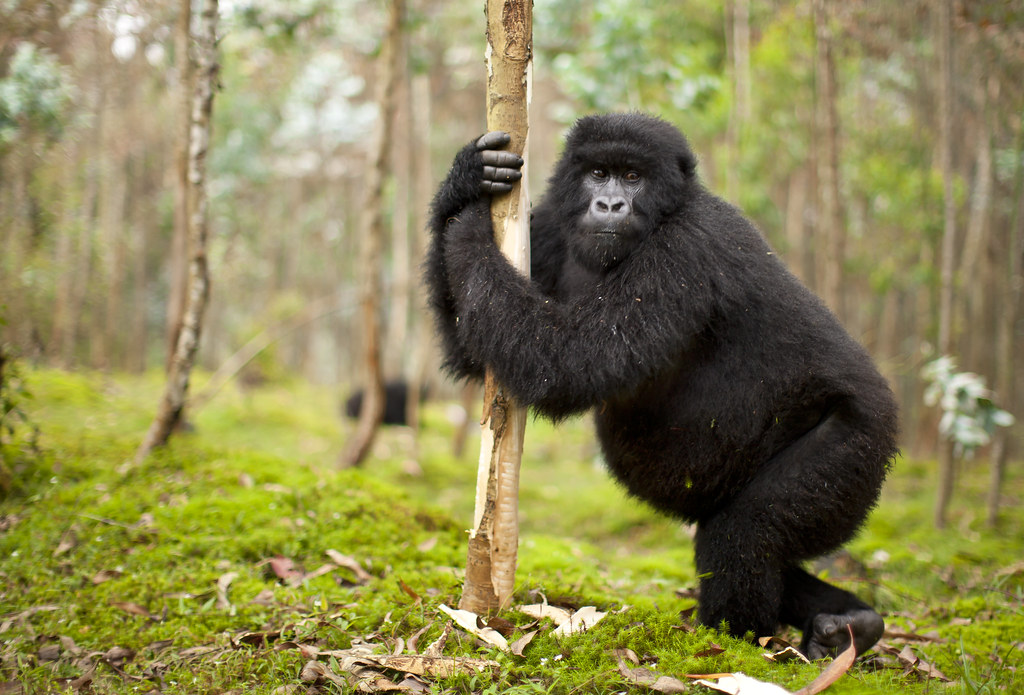
On your first gorilla trek in Rwanda, expect an early start, a friendly briefing, a steep and often muddy walk of one to several hours, and then a quiet, close hour with a wild gorilla family. The permit costs USD 1,500 for foreign non residents in 2026. Everything takes place in Volcanoes National Park, and no two treks unfold the same way.
First timers tend to arrive with a mix of excitement and worry: about fitness, about the weather, about whether the gorillas will show up. The good news is that the day is well organised and the gorillas are reliably found. What follows is an honest, hour by hour sense of how a first trek actually feels, so the experience matches your expectations rather than blindsiding you.
What Your First Gorilla Trek Feels Like
The strongest feeling most first timers report is not fear but a kind of focused calm once they reach the family. The build up can be nervy, with the early wake up, the unfamiliar forest, and the effort of the climb, yet the hour itself tends to quiet the mind completely. Sitting a few metres from a wild silverback has a way of pushing every other thought aside.
It helps to know that the day is built around you. Guides expect a range of fitness levels, the pace is yours to influence, and rangers handle the navigation and the wildlife. Your only real jobs are to keep walking, listen to instructions, and then soak up the hour. Treating it as a guided walk with a wonderful payoff, rather than a test, sets the right frame of mind.
The Early Start and First Time Nerves
Your day begins before dawn. Most lodges near Musanze serve an early breakfast so you can reach Kinigi headquarters by 7:00 a.m. The morning air at altitude is cool and often misty, and the headquarters buzzes with other trekkers, guides, and the sound of a traditional welcome. The nerves you feel here are normal and shared by almost everyone around you.
Bring your passport, since ages and identities are checked, and dress in layers you can peel off as the walk warms you up. The atmosphere is upbeat rather than tense, and meeting your small group of up to eight people early on helps settle the first time jitters before you set off.
What the Morning Briefing Covers
Before anyone walks, guides deliver a clear briefing that answers most first timer questions. They explain which gorilla family you have been assigned, how the trek length is estimated, and the rules you will follow near the animals: stay roughly 7 metres back, wear your mask, keep your voice low, avoid direct eye contact, and never run if a gorilla approaches.
This is also where families are matched to fitness. Tell your guide honestly how strong a walker you are, because some families live on gentler ground near the forest edge while others, such as the high dwelling Susa group, demand a long, steep climb. A frank word here can shape whether your first trek is comfortable or punishing.
The Walk: Tougher and Muddier Than Expected
The single thing first timers underestimate most is the terrain. Volcanoes National Park is steep, the trails are often slick with mud, and stinging nettles brush against your legs. The walk to the gorillas can take anything from under an hour to several hours each way, depending on where your family has moved that morning.
None of this is beyond a reasonably fit person, but it rewards preparation. Sturdy waterproof boots, gloves for gripping branches, gaiters, and a rain layer make a real difference. Hiring a porter for around USD 20 is the smartest decision many first timers make: they carry your bag, offer a hand on slippery sections, and the work supports local people, often former poachers.
The Moment You First See a Gorilla
At some point the trackers, who have been with the family since dawn, radio that you are close. Bags are left behind, voices drop, and the group edges forward through the vegetation. Then, often without warning, a dark shape resolves into a gorilla resting or feeding a short distance away. First timers frequently describe this as the moment the nerves vanish and pure attention takes over.
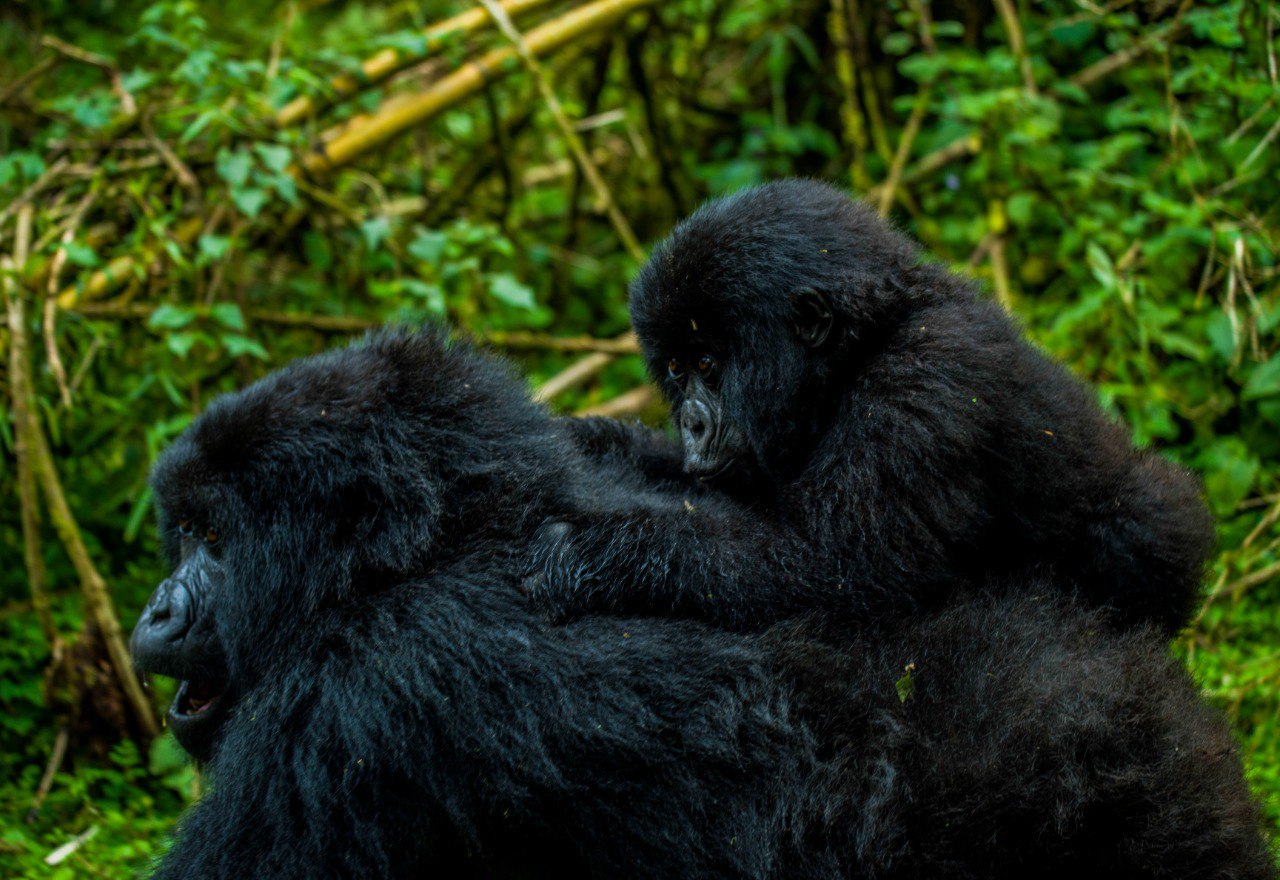
The gorillas are usually unbothered by your arrival. They continue feeding, grooming, or dozing while infants tumble nearby. There is no rush and no spectacle staged for you, just a wild family carrying on with its day while you watch quietly from a respectful distance.
Your Hour Among the Family
You are allotted exactly one hour with the gorillas, and it passes faster than you expect. You stand or crouch where the guide places you, watching the family interact at close range. A curious juvenile might wander toward you, in which case you stay still and let it pass. The silverback’s calm authority over the group is the detail most first timers remember longest.
Your guide narrates softly, pointing out individuals by name and explaining behaviour as it happens. The instruction to keep your distance applies to your movements, not the gorillas’, so close passes are normal and not something you should back away from abruptly. When the hour ends, the group withdraws quietly the way it came.
Photography for First Timers
You may photograph freely, with one firm rule: no flash, because it can startle the animals. Light under the forest canopy is dim, so a camera or phone that handles low light well pays off. Raising your ISO and steadying your hands matters more than carrying heavy gear, and a wide shot often captures the family better than a tight zoom.
The biggest piece of advice from those who have trekked before is to lower the camera for part of the hour. It is easy to spend sixty precious minutes behind a screen and remember little of the actual experience. Take your shots early, then simply watch. The memory of meeting a gorilla’s gaze outlasts any photograph.
What Surprises First Time Trekkers Most
Beyond the terrain, a few things catch first timers off guard. The cool, damp mountain weather surprises those expecting tropical heat. The gorillas’ total calm surprises those bracing for drama. And the sheer effort of the descent, often harder on tired legs than the climb up, surprises nearly everyone.
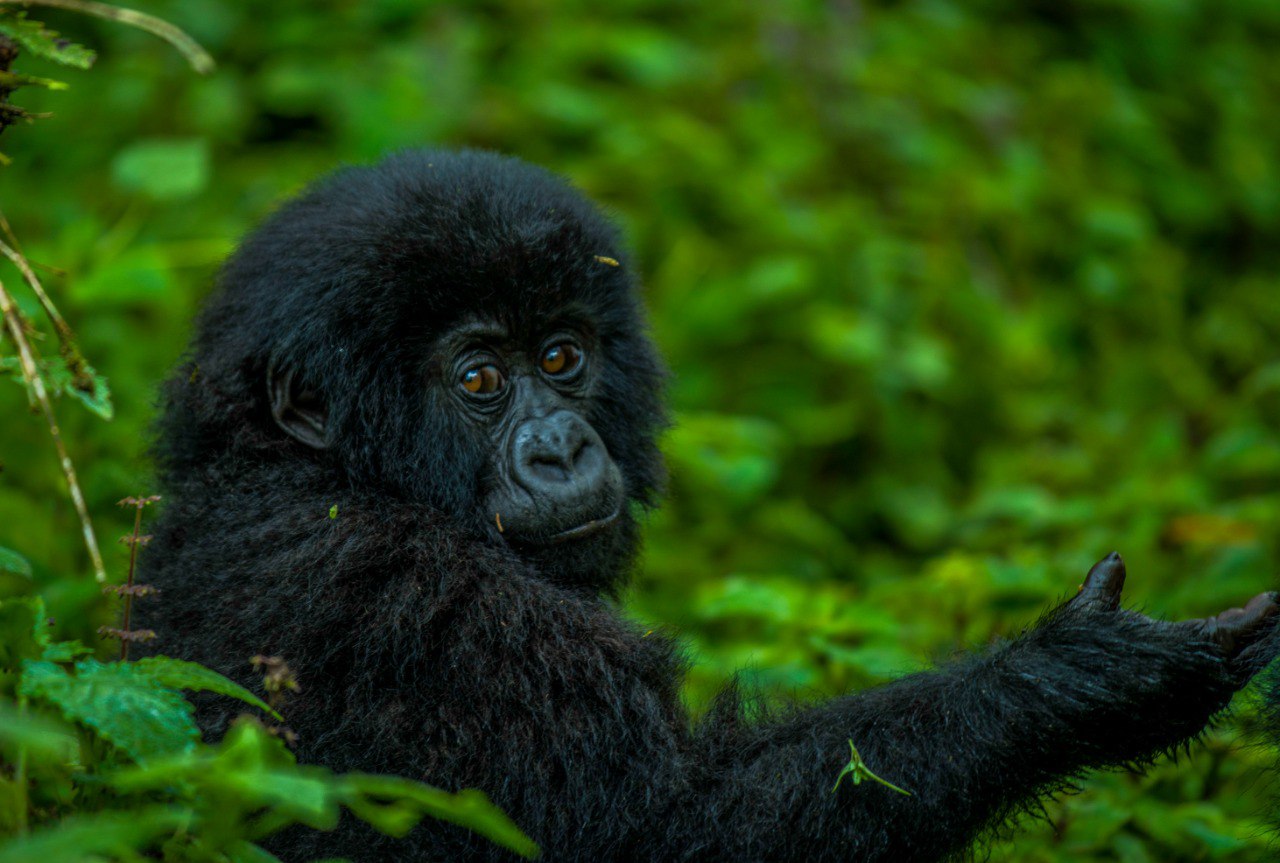
People are also moved by how close the gorillas feel as relatives. At roughly 98 percent shared DNA, their expressions, hands, and family bonds read as strikingly human. Many first timers come for a wildlife outing and leave having felt something closer to a meeting between kin, which is the part no briefing can fully prepare you for.
How Your First Trek Unfolds, Stage by Stage
The timeline below maps a typical first trek by how each stage tends to feel, from the pre dawn start to the walk back. Times vary with your assigned family and the day’s conditions in 2026.
What to Pack and Wear for Your First Trek
Comfort on your first trek comes down to a short, practical kit. The right clothing keeps the terrain from defining your day, and most items double as everyday travel gear.
Waterproof hiking boots with good tread, plus gaiters to keep mud and nettles out.
Long sleeves and trousers against stings, a fleece for the cool start, and a rain jacket for sudden showers.
Gardening style gloves for gripping vegetation, and at least one to two litres of water per person.
About USD 20 for a porter and small tips for rangers and guides, all of which ease the day and support locals.
Tips From People Who Have Trekked Before
A few habits separate a smooth first trek from a stressful one. Arrive a day early and rest, so you start fresh rather than jet lagged. Be honest about your fitness at the briefing, since the right family assignment changes everything. Eat a proper breakfast, because the climb burns more energy than a short distance suggests.
During the hour, balance your camera time with simply being present, and follow every instruction from your guide without hesitation. Above all, keep expectations flexible: weather, walking time, and gorilla movements are never fixed. First timers who stay relaxed about the variables almost always come away delighted with how the day turned out.
Frequently Asked Questions About Your First Gorilla Trek
How hard is a first gorilla trek?
The walk is steep and often muddy and can last from under an hour to several hours each way. It suits a reasonably fit person, and hiring a porter makes it considerably easier.
Will I definitely see gorillas?
Trackers locate the families before you set out, so sightings are highly reliable. You spend one allotted hour with the family once you reach them.
What should I wear on my first trek?
Waterproof boots, long sleeves and trousers, gaiters, gloves, a fleece, and a rain layer. The mountain weather is cool and damp rather than hot.
Can I take photos?
Yes, but flash is not allowed. Light under the canopy is dim, so use a camera or phone that handles low light, and remember to watch the gorillas directly too.
How much does it cost in 2026?
The permit is USD 1,500 for foreign non residents, USD 500 for African residents, and USD 200 for East African citizens, plus extras like a porter and tips.
What is the minimum age to trek?
You must be at least 15 years old, and ages are checked against your passport at the morning briefing.
See all of our Rwanda gorilla treks and start planning today.