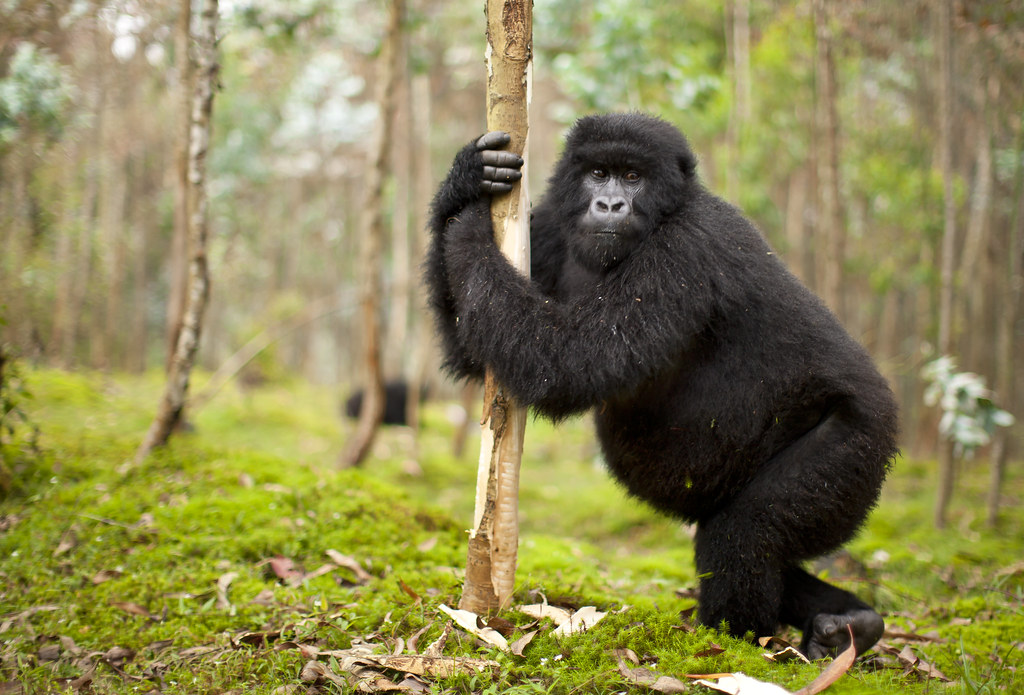
Gorilla trekking in Rwanda is worth it for most travellers who can afford the USD 1,500 permit, because it offers one hour with a wild, endangered animal that exists nowhere else and cannot be seen in any zoo. The value depends on what you weigh: the price is high, the time with the gorillas is short, and sightings are very likely but not formally guaranteed. Set against that, a trek in Volcanoes National Park funds conservation directly and delivers a wildlife experience few others match. Whether it justifies the cost is a personal judgment, and this guide lays out both sides.
The honest framing is that “worth it” is subjective. The same trek that one traveller calls the highlight of a lifetime, another may find expensive for sixty minutes of viewing. The factors below help you decide before committing the money.
What the USD 1,500 Permit Actually Buys
The headline cost is the permit, and understanding what it includes matters to the value question. For USD 1,500 in 2026 you get park entry, the guided trek, the trackers who locate your family at dawn, the armed rangers who accompany the group, and one hour with the gorillas. A share of the fee also funds conservation and community projects around the park.
What it does not include is transport, lodging, meals, porters, or tips, so the full trip costs considerably more than the permit alone. When people judge whether trekking is worth it, they sometimes compare the permit price to the hour with the gorillas and conclude it is steep. A fairer comparison weighs the total trip cost against the rarity and the conservation impact, which changes the calculation.
The Case That Gorilla Trekking Is Worth It
The strongest argument is rarity. Mountain gorillas live only in Rwanda, Uganda, and the DRC, number around 1,063 worldwide, and cannot survive in captivity, so there is no cheaper substitute. Standing metres from a wild silverback and his family is something you cannot reproduce at any zoo or on any other safari.
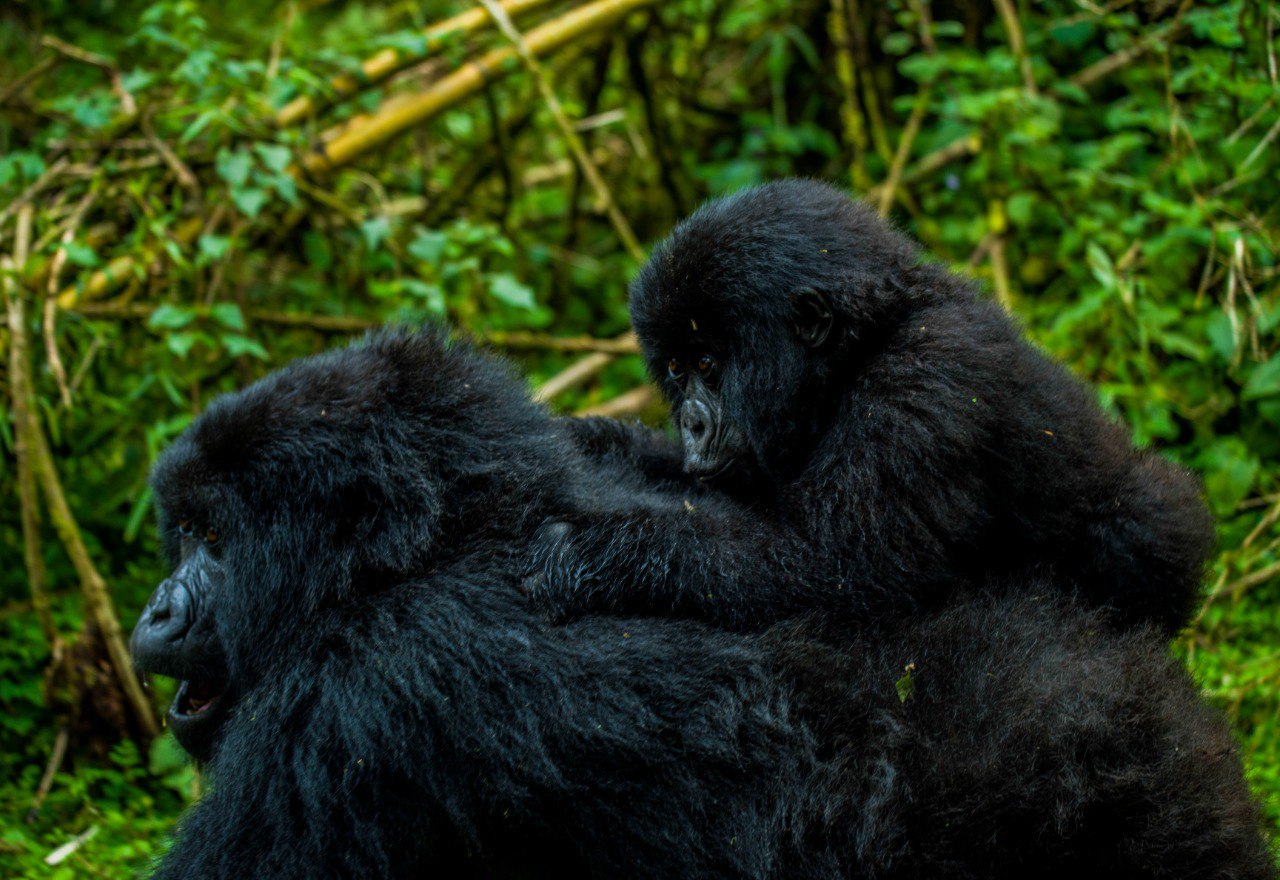
The experience is also reliable and accessible. Trackers locate each family every morning, so the success rate is very high, and Volcanoes National Park is two to three hours from Kigali on a good road, making the trip feasible even on a short schedule. The permit money funds the protection that has lifted the population from near-extinction, so the spend has a measurable conservation return. For many, the combination of rarity, reliability, and impact clearly justifies the price.
The Case That It Might Not Be Worth It
The counterargument starts with cost. At USD 1,500 for the permit alone, plus transport and lodging, a single trek can dominate a travel budget. For travellers comparing options, Uganda’s USD 800 permit delivers the same species for roughly half the permit price, which weakens Rwanda’s value on cost grounds.
There is also the question of effort and uncertainty. The trek can be physically demanding, with steep, muddy terrain at altitude, and the time with the gorillas is capped at one hour. Sightings are very likely but not guaranteed, and a long, wet trek to a brief viewing can feel like poor value to some. Anyone with limited mobility, a tight budget, or low tolerance for physical challenge should weigh these factors honestly before booking.
Estimate Your Total Trekking Cost
Because value depends on the full spend, not just the permit, the calculator below estimates a per-person total. Adjust the inputs to see how lodging and the number of nights change the figure. The defaults use 2026 prices.
How Rwanda Compares With Uganda on Value
The clearest value comparison is with Uganda, the other accessible mountain gorilla destination. Uganda’s permit costs USD 800, sometimes USD 600 in low season, against Rwanda’s USD 1,500. On permit price alone, Uganda is the better value, and it also offers the four-hour habituation experience that Rwanda lacks.
Rwanda counters with logistics. The two to three hour transfer from Kigali, compared with eight to ten hours to Bwindi, can make Rwanda cheaper overall for short trips once you factor in extra nights and internal transport. Rwanda’s trekking is also generally gentler. So the value verdict depends on your trip length and priorities: Uganda wins on raw permit price, Rwanda on convenience and ease.
Who Gorilla Trekking Is Most Worth It For
Trekking tends to be most worth it for travellers who place a high value on rare wildlife, want a polished and accessible experience, and can absorb the cost without straining the rest of their trip. It also suits those who care that their money supports a real conservation success, since the permit funds protection directly.
It is a weaker fit for travellers on a tight budget who would feel the USD 1,500 keenly, those with mobility limits who may struggle on steep terrain, and anyone expecting a long, guaranteed viewing rather than a managed hour. For these travellers, Uganda’s cheaper permit, or simply a different kind of wildlife trip, may deliver better value.
Cost Breakdown for Judging Value in 2026
These cards summarise the main costs that feed into the value question.
USD 1,500 per foreign non-resident in 2026, the single largest line item.
USD 800, or about USD 600 in low season, for the same species and a comparable sighting rate.
Two or more nights plus transfers from Kigali add several hundred dollars or more per person.
A share of every permit funds protection and community projects, part of the non-monetary value.
How to Plan the Trip If You Decide It Is Worth It
If you conclude trekking is worth it, the trek takes place in Volcanoes National Park, two to three hours from Kigali, starting at Kinigi with a 7:00 a.m. briefing. Permits should be booked several months ahead through the Rwanda Development Board or a licensed operator, and longer ahead for peak dry-season dates.
To stretch the value, many visitors pair the gorillas with golden monkey tracking, a volcano hike, or the Dian Fossey grave walk, all from the same base, so the trip delivers more than a single hour. Adding these lower-cost activities can tip the overall value firmly in favour of the trip for travellers who want more than the gorilla hour alone.
Frequently Asked Questions About Whether Gorilla Trekking Is Worth It
Is one hour with the gorillas worth USD 1,500?
For travellers who value rare wildlife and conservation impact, most say yes. For tight budgets it can feel steep, in which case Uganda’s USD 800 permit offers the same species more cheaply.
Are you guaranteed to see gorillas?
Sightings are not formally guaranteed, but the daily tracking gives a very high success rate. On almost every trek the assigned family is found.
Is Rwanda or Uganda better value for gorilla trekking?
Uganda is cheaper on permit price. Rwanda can work out cheaper overall on short trips thanks to the two to three hour transfer from Kigali, and its trekking is gentler.
Is the trek too hard to be worth it for older travellers?
Not necessarily. Guides can assign easier families near the trailhead, and a porter for about USD 20 helps greatly. Those with mobility limits should weigh the terrain honestly.
Does my permit money make a difference?
Yes. A share funds park protection and surrounding communities, and the low-volume model that the high price supports is part of why the gorilla population has recovered.
Discussions of value sometimes touch on personal budgets and what a major spend means for someone’s circumstances. The information here is general planning guidance rather than financial advice, and the decision rests on your own priorities and means.