Combining gorilla trekking and Nyungwe chimpanzee tracking pairs the mountain gorillas of Volcanoes National Park in the northwest with the chimpanzees and canopy walkway of Nyungwe National Park in Rwanda’s southwest. It delivers two of Africa’s great primate experiences in one trip, best done over a week given the long drive between them. A two-night Nyungwe stay can also help unlock the $1,050 low-season gorilla permit. Volcanoes National Park lies in northern Rwanda near Musanze along the Virunga Mountains.
This guide explains why the pairing works, how chimpanzee tracking differs from the gorilla trek, a sample route, and how to plan it. Together they show the full range of Rwanda’s primates, from the largest apes to their smaller, faster cousins.
For travellers who come to Rwanda for its primates, pairing the gorillas with Nyungwe’s chimpanzees is the most natural extension of all, completing the picture of the country’s great apes. The two experiences could hardly feel more different in practice, which is precisely what makes doing both so rewarding rather than repetitive. The distance between the parks means this is a trip that needs a week and a little planning, but the journey south through tea hills and along Lake Kivu is part of the appeal rather than a chore to endure.
Why Pair Gorillas with Chimpanzees
The gorilla trek and the chimpanzee track are complementary rather than repetitive. Gorillas are large, calm, and ground-dwelling, observed at close quarters in a montane forest of the volcanoes, while chimpanzees are fast, vocal, and often high in the trees of a vast rainforest, giving a very different feel.
Seeing both gives a fuller picture of Africa’s great apes and of Rwanda’s forests. The contrast in behaviour, terrain, and atmosphere makes the two experiences feel distinct, so the pairing adds genuine variety rather than simply more of the same.
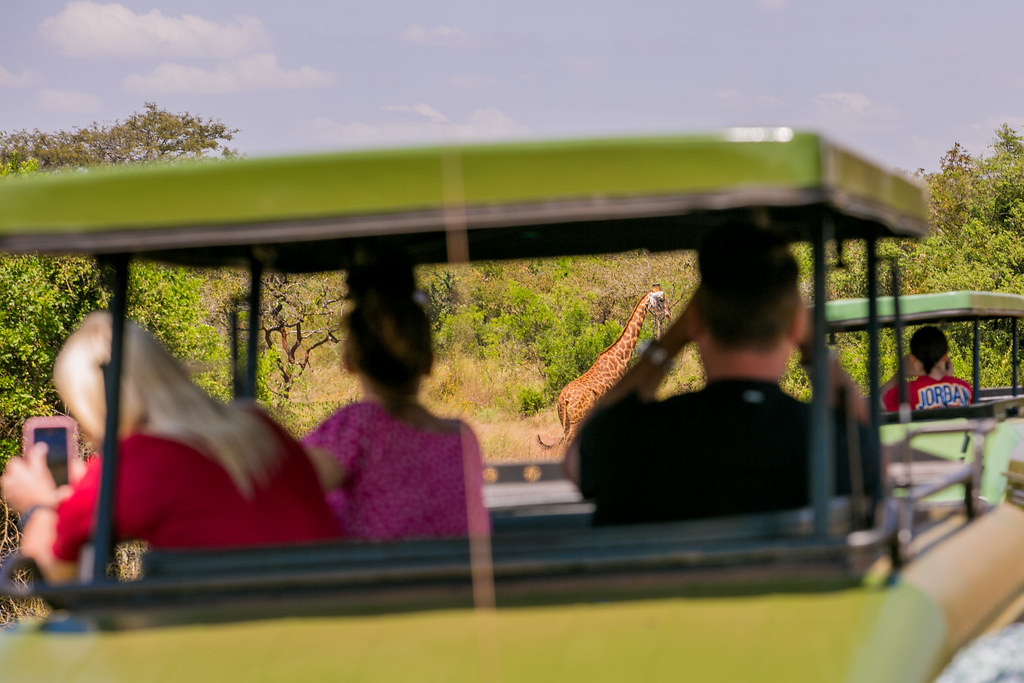
What Nyungwe National Park Offers
Nyungwe, in the southwest, is one of Africa’s largest and oldest montane rainforests, home to habituated chimpanzees and around a dozen other primate species, including large groups of colobus monkeys. It is a birding hotspot too, with many species found nowhere else in the region.
Beyond chimpanzee tracking, Nyungwe is known for its canopy walkway, a suspended bridge high above the forest floor with sweeping views over the treetops. Waterfall hikes and primate walks round out a park that rewards more than a single activity, making it worth a two or three night stay. The forest is also one of the most important water catchments in the region, feeding rivers that flow toward both the Nile and the Congo, which adds a sense of scale to its quiet trails.
How Chimpanzee Tracking Works
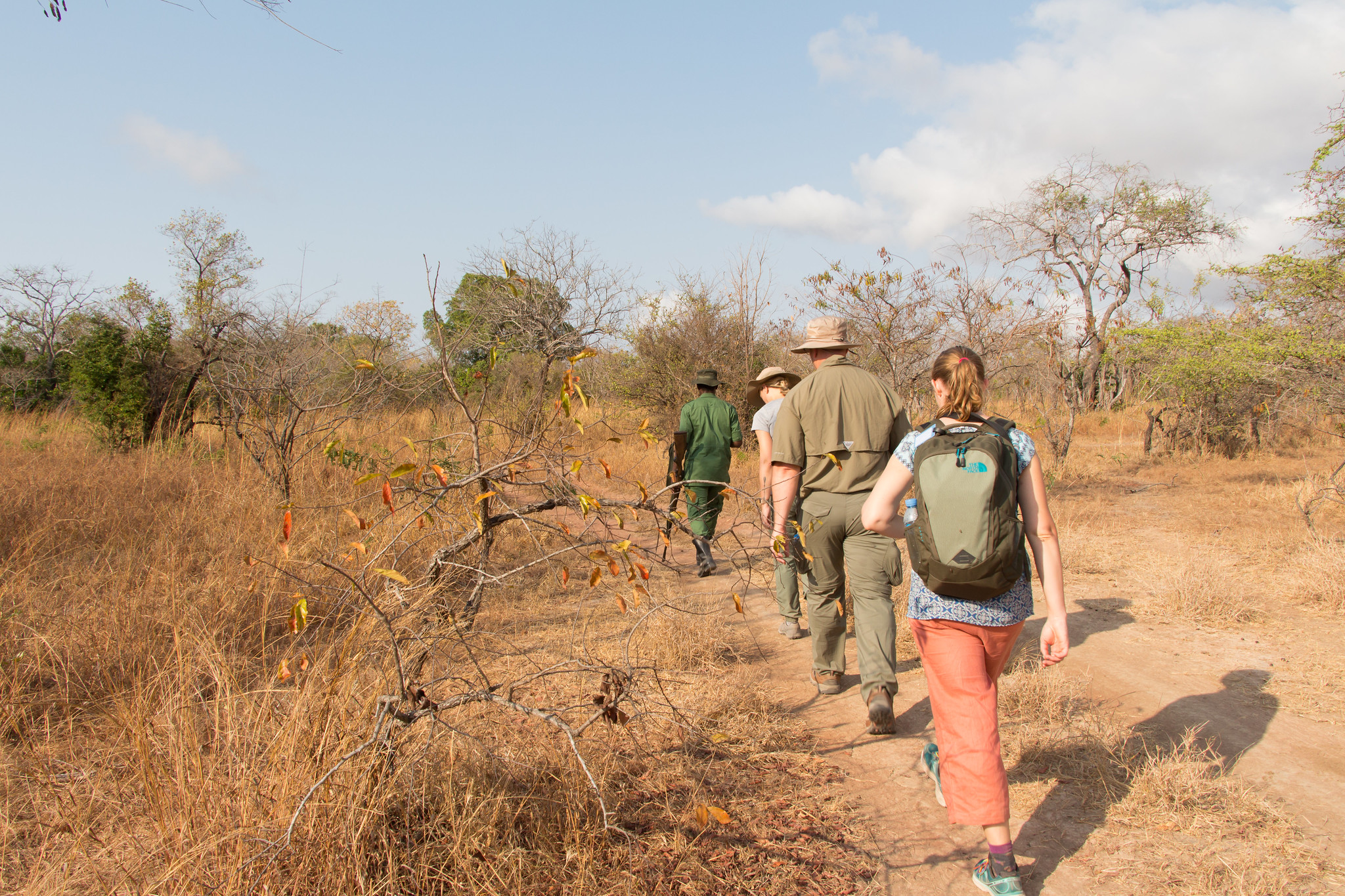
Chimpanzee tracking starts early, like the gorilla trek, with a briefing before heading into the forest to find a habituated group. Chimpanzees move fast and range widely, so the trek can be more unpredictable than the gorilla walk, and sightings, while exciting, can be briefer and higher in the canopy.
The permit is far cheaper than the gorilla permit, and the experience is more about energy and movement than calm proximity. Patience helps, since the chimps set the pace, but the reward of watching a wild chimpanzee community is a powerful counterpoint to the stillness of an hour with gorillas.
A Sample Route
Because Nyungwe is a long drive from the volcanoes, this pairing suits a week-long trip. A common shape starts with the gorilla trek in the northwest, then drives south, often pausing at Lake Kivu, to reach Nyungwe for chimpanzee tracking and the canopy walk before returning to Kigali.
Reversing the order also works, and breaking the long transfer with a night at Lake Kivu turns the drive into a relaxing interlude. Plan the route around your fixed gorilla trekking date and your flights, and allow enough nights at Nyungwe to enjoy more than just the chimpanzee track. The drive between the two parks is long but scenic, winding through tea plantations and hills, so it is part of the experience rather than dead time if you build in the stops that break it up.
The Low-Season Permit Link
Nyungwe is one of the two parks that, visited genuinely alongside Akagera, unlock the low-season gorilla permit of $1,050 from November to May. A proper two-night Nyungwe stay contributes to qualifying, so a chimpanzee-and-gorilla trip can also be a cheaper-permit trip.
This makes the pairing doubly attractive in the wetter months: you add a second great primate experience and reduce the gorilla permit at the same time. The condition is a genuine visit to both qualifying parks, not a token stop, so build real time into the itinerary.
When to Go
The dry seasons are easiest for both treks, with firmer trails and more comfortable forest conditions, though both rainforests can see rain in any month. Chimpanzees and gorillas are present year-round, so timing is about comfort rather than availability.
The wetter low season brings the permit discount and green forest, with the trade of more rain and sometimes harder tracking. For travellers prioritising the discount, the November to May window balances the savings against the conditions.
Permit and Cost of the Combination
The core cost is the gorilla permit, with the cheaper chimpanzee permit, lodging at both parks, and the long cross-country transport added on.
$1,500 per person in 2026, or $1,050 in the low season when genuinely combining Nyungwe and Akagera.
Far cheaper than the gorilla permit, for the Nyungwe chimpanzee track.
At both parks over a week, often with a Lake Kivu night between them.
A long but scenic cross-country drive, often broken at Lake Kivu.
For primate enthusiasts, pairing the gorillas with Nyungwe’s chimpanzees is among the most rewarding trips Rwanda offers, and the low-season permit can make a week-long version better value than it first appears.
It is worth setting expectations honestly about the chimpanzees before you go. Unlike the near-guaranteed, close gorilla sightings, chimpanzee tracking can mean glimpses of fast-moving animals high in the canopy, and on a difficult day the views are brief. Treating the chimpanzees as a wilder, less predictable counterpoint to the gorillas, rather than expecting the same intimacy, means you arrive ready to enjoy the experience on its own terms, and the canopy walk and other primate walks ensure the Nyungwe leg rewards you regardless.
Whichever order you settle on, secure the gorilla permit first and let the long southern leg be arranged around it, since the trekking date is the one part of the itinerary you cannot move. The reward for the planning is a trip that spans the full sweep of Rwanda’s great apes in a single journey.
Can you combine gorilla trekking with chimpanzee tracking in Rwanda?
Yes. The gorillas are in Volcanoes National Park in the northwest and the chimpanzees in Nyungwe in the southwest. A week-long trip ties them together, delivering two of Africa’s great primate experiences, often with a Lake Kivu stop between.
How is chimpanzee tracking different from gorilla trekking?
Chimpanzees are fast, vocal, and often high in the trees, so the track is more unpredictable and sightings can be briefer, while gorillas are calm and ground-dwelling, watched at close quarters. The chimpanzee permit is also far cheaper.
What else is there to do in Nyungwe?
Beyond chimpanzee tracking, Nyungwe offers a famous canopy walkway high above the forest, walks to see colobus monkeys and other primates, waterfall hikes, and excellent birding. It rewards a two or three night stay.
Does visiting Nyungwe reduce the gorilla permit cost?
It can. A genuine two-night Nyungwe stay, combined with a real Akagera visit, qualifies you for the $1,050 low-season gorilla permit from November to May, a $450 saving. A token stop does not count.
How long do I need for this combination?
About a week, given the long drive between the volcanoes and Nyungwe. A typical route does the gorilla trek, drives south with a Lake Kivu night, then tracks chimpanzees and walks the canopy before returning to Kigali.