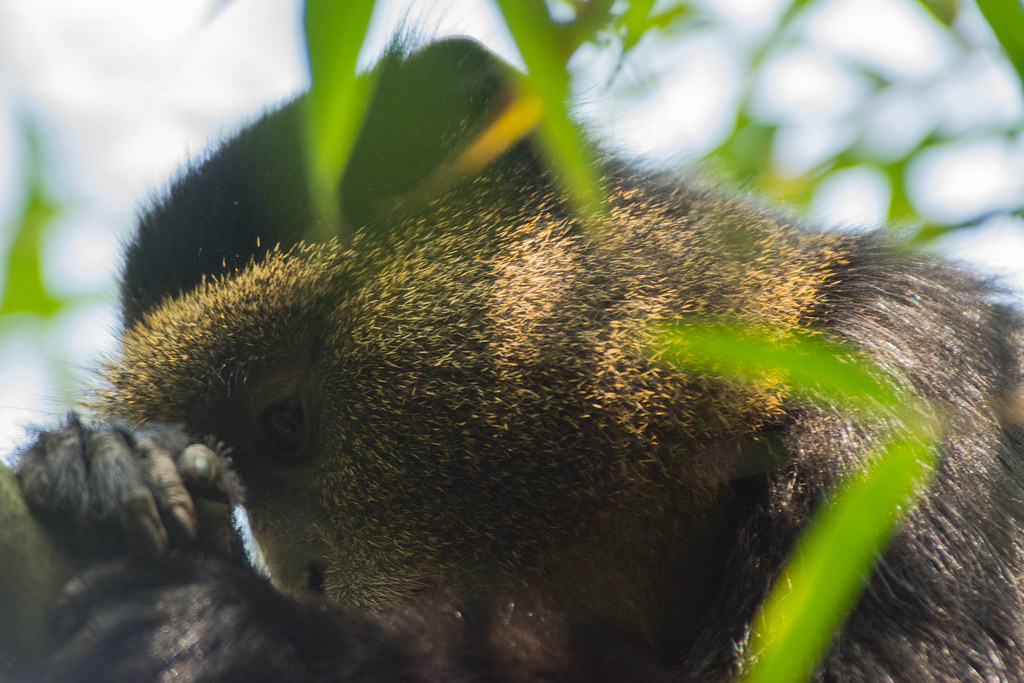
Combining gorilla trekking and the Mount Bisoke hike pairs an hour with a gorilla family with the climb to Bisoke’s summit crater lake, both in Volcanoes National Park. Bisoke rises to 3,711 metres, and the day hike to its peak costs around $75, against the $1,500 gorilla permit. Both are demanding climbs, so they suit fit travellers and are best done on separate days. Volcanoes National Park lies in northern Rwanda near Musanze along the Virunga Mountains.
This guide explains why the pairing appeals to active visitors, what the Bisoke climb involves, and how to fit both into a short trip. Together they combine wildlife with a genuine volcano summit in the same park.
For travellers who like their holidays physical as well as memorable, the Bisoke climb is the obvious companion to a gorilla trek, adding a genuine mountain summit to a trip otherwise built around wildlife. Both take place in the same park and share the same early-morning rhythm, so the logistics are simple even though the two days feel very different in character. Where the gorilla trek rewards patience and stillness, Bisoke rewards effort and endurance, and combining them gives active visitors a fuller, more rounded experience of the volcanoes themselves.
Why Add the Bisoke Climb
For active travellers, the Bisoke hike adds a summit achievement to the wildlife of the gorilla trek, both within the same park. Where the gorilla trek is about a close visit, the Bisoke climb is about effort, altitude, and the reward of a crater lake at the top.
The two appeal to visitors who want their trip to be physical as well as wildlife-focused. Doing both gives a fuller sense of the volcanoes themselves, not just their forests, and the summit hike is a strong complement to the slower, observational nature of the gorilla hour.
What the Bisoke Hike Involves
Mount Bisoke is one of the Virunga volcanoes, at 3,711 metres, with a striking crater lake at its summit. The hike is a steep, often muddy day climb of several hours up and back, starting from a briefing like the gorilla trek, and the altitude makes it genuinely demanding even for fit hikers.
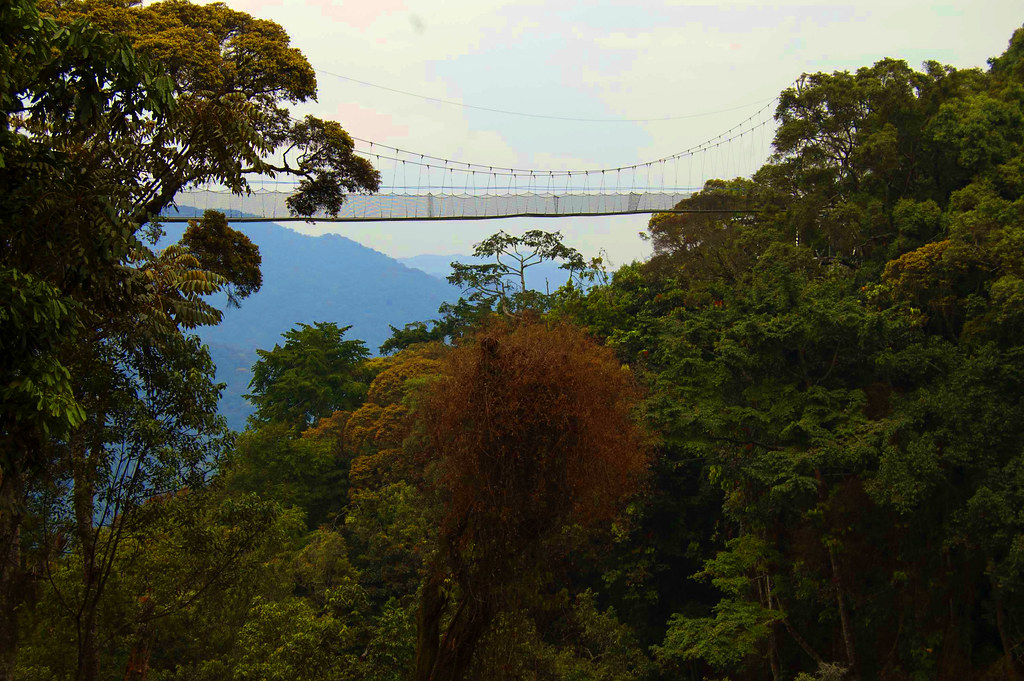
The reward is the summit crater lake, a circular lake filling the volcano’s cone, with views over the surrounding peaks on clear days. The permit is around $75, and a guide is included, so it is a far cheaper activity than the gorilla trek while being a serious physical undertaking.
How Demanding Is It?
The Bisoke climb is physically demanding, with steep, muddy terrain and the effects of altitude as you near 3,711 metres. It is harder than many gorilla treks in pure exertion, so a reasonable level of fitness and some preparation are advisable before attempting it.
A porter can be hired to ease the load and steady you on the climb, as on the gorilla trek, and going at a measured pace helps with the thin air. Because both activities are strenuous, doing them on consecutive days asks a lot of your legs, so build in pacing and rest.
Fitting Both into a Trip
Both are in the same park, so a three to four day trip covers both from a single lodge. A typical plan does the gorilla trek one day and the Bisoke climb on another, ideally with a rest day between if your schedule allows, given how demanding each is.
If time is tight, back-to-back days are possible for fit travellers, but the gorilla trek itself can run long and tire you, so plan the order with that in mind. Both fit around the fixed gorilla trekking date, with the Bisoke climb the more flexible of the two to schedule.
Other Volcano Hikes to Consider
Bisoke is the most popular day climb, but the park offers other hikes. The Dian Fossey hike to the Karisoke site is a gentler half-day option, while the multi-day Mount Karisimbi climb, to the highest peak at 4,507 metres, is a serious overnight expedition at around $400.
For most visitors pairing a hike with the gorillas, Bisoke is the sweet spot: a real summit in a single day at modest cost. Those wanting more can consider Karisimbi, while those wanting less can choose the Fossey hike, all within the same park.
Preparing for the Climb
A little preparation makes the Bisoke climb far more enjoyable. Some general fitness in the weeks before helps with the steep, sustained ascent, and good waterproof boots with grip are vital on the muddy trail. Layers matter too, since it can be warm climbing and cold and windy at the summit.
On the day, start well hydrated, carry water and a snack, and go at a steady pace to manage the altitude. Gaiters help against the mud, and a walking pole eases the descent. None of this turns Bisoke into an easy walk, but arriving prepared means you spend the climb enjoying the effort rather than fighting your gear.
Permit and Cost of the Combination
Adding the Bisoke hike is inexpensive relative to the gorilla trek, since the climbing permit is far below the gorilla permit and uses the same lodge and base.
$1,500 per person in 2026, the core cost of the trip.
Around $75 per person, including a guide, in the same park.
Around $400 for the multi-day climb to the highest peak, for serious hikers.
Around $15 to $20 to ease either climb, well worth it on Bisoke.
For fit, active travellers, pairing the gorillas with the Bisoke summit gives both a wildlife highlight and a mountain achievement in one short trip, at little extra cost beyond the gorilla permit. It is the volcanoes seen from both their forests and their peaks.
It is also worth being realistic about the weather, since the summit is often clouded and the famous crater lake can be hidden on a poor day. The climb is rewarding regardless, for the effort and the forest along the way, but going in with flexible expectations means a misty top feels like part of the mountain’s character rather than a disappointment. On a clear day the view is the reward; on a cloudy one, the achievement is.
Whatever the weather does at the summit, pairing the two days gives active travellers both the wildlife and the mountain, and most come away feeling the combination captured the volcanoes far more completely than either day could alone.
For the fit and the curious, it is the addition that turns a wildlife trip into a proper mountain adventure as well.
Can you combine gorilla trekking with the Mount Bisoke hike?
Yes. Both are in Volcanoes National Park, so a three to four day trip covers both from one lodge. The gorilla trek is a wildlife visit and the Bisoke climb a summit hike to a crater lake, ideally done on separate days.
How much does the Bisoke hike cost?
Around $75 per person, including a guide, far below the $1,500 gorilla permit. The multi-day Karisimbi climb to the highest peak is around $400 for serious hikers wanting more.
How hard is the Mount Bisoke climb?
Demanding. It is a steep, often muddy day climb to 3,711 metres, with altitude making it harder than many gorilla treks in pure exertion. A reasonable level of fitness, a measured pace, and a porter all help.
What is at the top of Mount Bisoke?
A striking crater lake fills the summit cone, with views over the surrounding Virunga peaks on clear days. The lake is the reward for the steep climb up and back.
Should I do both on consecutive days?
Ideally leave a rest day between, since both are strenuous. If time is tight, fit travellers can do them back to back, but tackle the gorillas first, as that trek can run long and you do not want to be tired for the harder Bisoke climb.